




The Unforgiving Mountain Chill
Heating a building at sea level is one thing; doing so at 10,000 feet or higher is another challenge entirely. The primary issue is the thin air. At high altitudes, the air has lower pressure and contains less oxygen. This directly impacts conventional
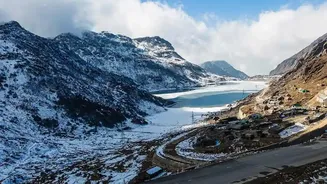
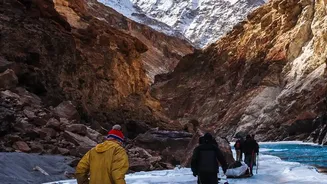
heating methods, especially those that rely on combustion. Gas furnaces and boilers struggle because the precise fuel-to-oxygen mixture required for efficient burning is disrupted. This can lead to inefficient heating, wasted fuel, and even dangerous malfunctions. Compounding this is the sheer intensity of the cold. In Himalayan regions like Ladakh, winter temperatures can plummet to extreme lows, requiring a constant and reliable source of powerful heat simply to make a room habitable. Standard residential heaters are just not built to cope with these combined pressures.
The Traditional Solution: The Bukhari
For centuries, the go-to solution for warmth in the Himalayas has been the 'bukhari'. This traditional wood-burning stove consists of a metal chamber where fuel like wood or charcoal is burned, with a chimney pipe extending upwards to vent the smoke. The bukhari is effective, radiating intense heat that can quickly warm up a room. Many locals and some guesthouses still rely on these, sometimes using sawdust as a safer, slow-burning fuel. However, traditional bukharis come with significant drawbacks, particularly for hotels catering to tourists. The primary risk is carbon monoxide (CO) poisoning if the room is not properly ventilated or if the chimney is faulty. This risk is amplified at high altitudes where incomplete combustion is more likely, producing higher levels of the odorless, colorless gas.
Modern Hotels and Central Heating
Recognizing the need for safer and more reliable solutions, modern hotels in destinations like Leh now often advertise a key amenity: central heating. Unlike individual room heaters, these are large-scale systems, similar to what you might find in large commercial buildings, designed to distribute heat uniformly. These systems are specifically engineered for high-altitude environments. They often feature boilers or furnaces with adjustments to ensure proper combustion in low-oxygen conditions. By centralizing the heat source, hotels can better manage fuel consumption, efficiency, and, most importantly, safety. The heat is typically distributed to rooms through ducts or, in more luxurious properties, via hydronic radiant floor heating, which circulates hot water through pipes under the floor for a gentle, even warmth.
Innovations in Radiant and Electric Heat
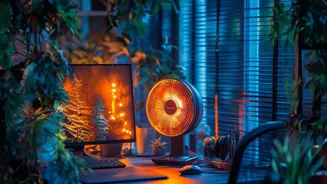
A significant innovation in Himalayan hospitality has been the adoption of electric infrared heaters. Unlike conventional heaters that warm the air, infrared systems heat objects and people directly through radiation. This is far more efficient in thin air, where the air itself doesn't hold heat well. It also bypasses the risks associated with combustion, as it requires no fuel or oxygen to operate. These electric heaters are becoming popular in well-insulated lodges across the Everest region and beyond. While the initial cost can be higher, they offer a safer, cleaner, and more controllable heating experience for guests, without the fumes or fire risk of a bukhari.
The Quest for Sustainable Warmth
Operating a hotel in an ecologically fragile zone like the Himalayas carries a heavy responsibility. The environmental cost of burning large quantities of wood, coal, or diesel for heat is significant. In response, many newer and renovated hotels are investing in sustainability. This starts with superior building insulation to minimize heat loss. Furthermore, some establishments are integrating solar thermal systems to pre-heat water for their boilers and guest use. Even in cold winter climates, high-performance solar collectors can capture significant energy, reducing the overall reliance on fossil fuels. While a fully solar-powered heating solution is difficult in the depths of a Himalayan winter, these hybrid systems represent a crucial step towards more eco-friendly mountain tourism, ensuring that the stunning environment remains preserved for future generations.