
Yoga: The Path of Mindful Stillness
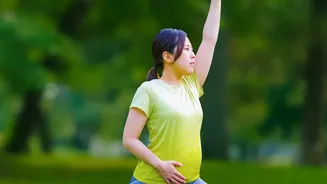
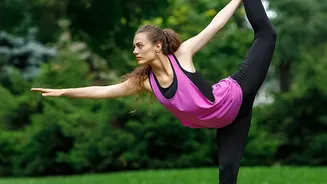
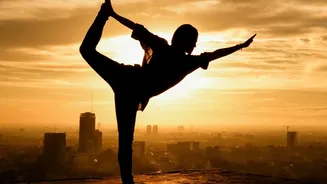
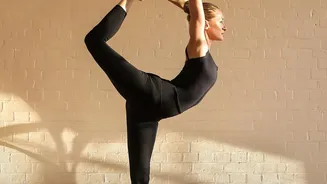
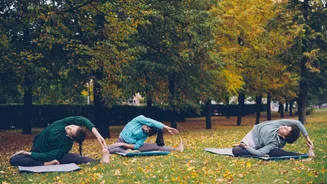
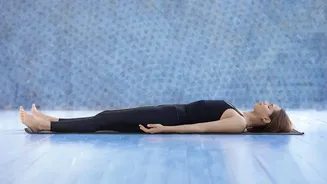
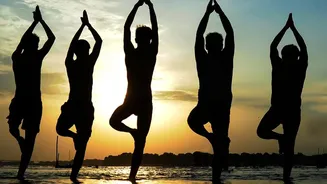
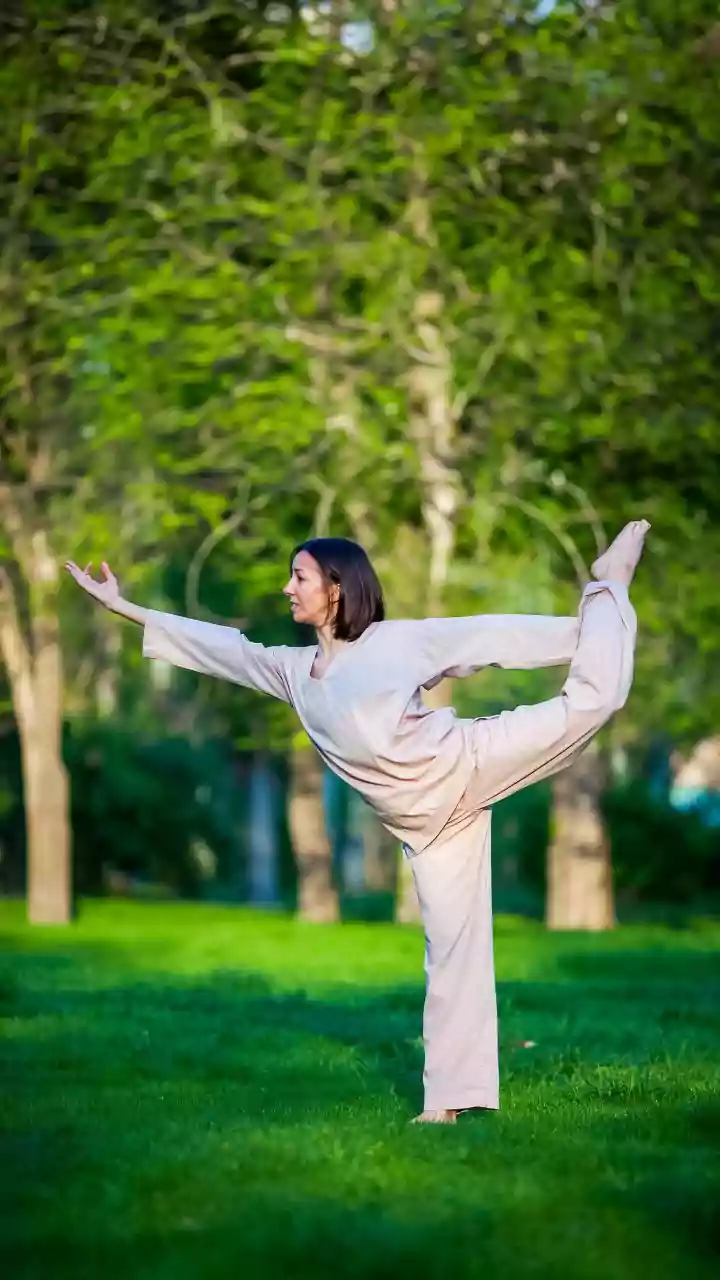
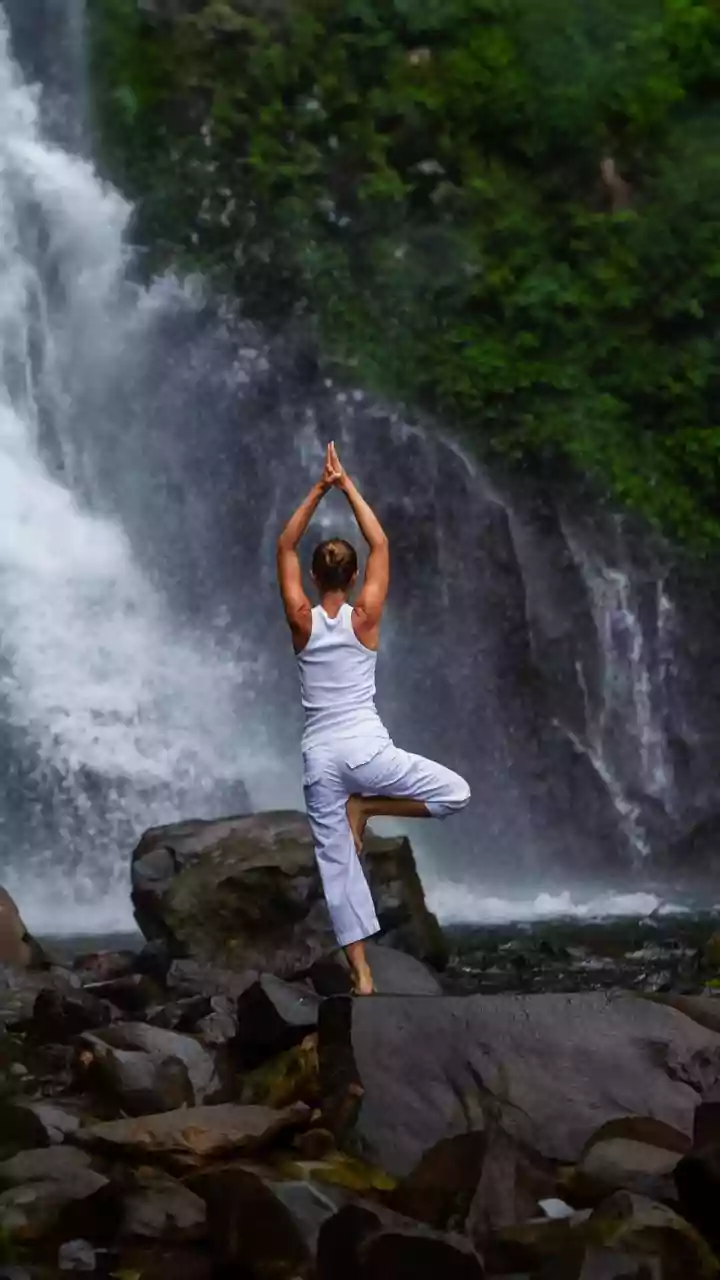
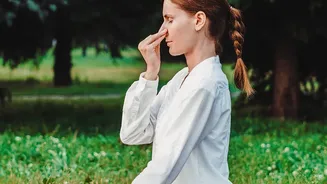
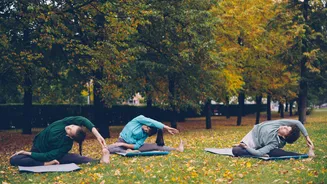
Yoga is an ancient practice that combines physical postures (asanas), controlled breathing (pranayama), and meditation to create a union between mind and body. Its primary approach to stress management is inward-focused. The practice encourages you to pay
attention to the present moment, which can help quiet the mental chatter that fuels anxiety. By holding postures and focusing on your breath, you activate the body's relaxation response, also known as the parasympathetic nervous system. This process can help lower levels of cortisol, the body's main stress hormone. Research shows that regular yoga practice can lead to significant reductions in perceived stress and anxiety, enhancing emotional health and creating a greater sense of calm. It's less about expressive movement and more about building resilience through mindful awareness and physical discipline.
Dance: The Joy of Rhythmic Expression
Dance, in its many forms, is a powerful tool for stress relief that works through joyful, rhythmic, and often social expression. Moving your body to music helps regulate cortisol, while the physical exertion releases endorphins, dopamine, and serotonin—neurotransmitters associated with pleasure and improved mood. Unlike the introspective nature of yoga, dance is often an external expression of emotion. It provides an outlet to release pent-up feelings in a constructive way. Furthermore, the cognitive challenge of learning steps and coordinating with music and partners helps improve focus, memory, and neuroplasticity. Studies highlight that the combination of music, movement, and social connection makes dance a potent buffer against stress, fostering resilience and a sense of belonging.
The Physical Experience: Flow vs. Energy
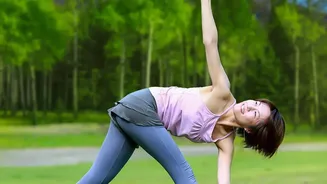
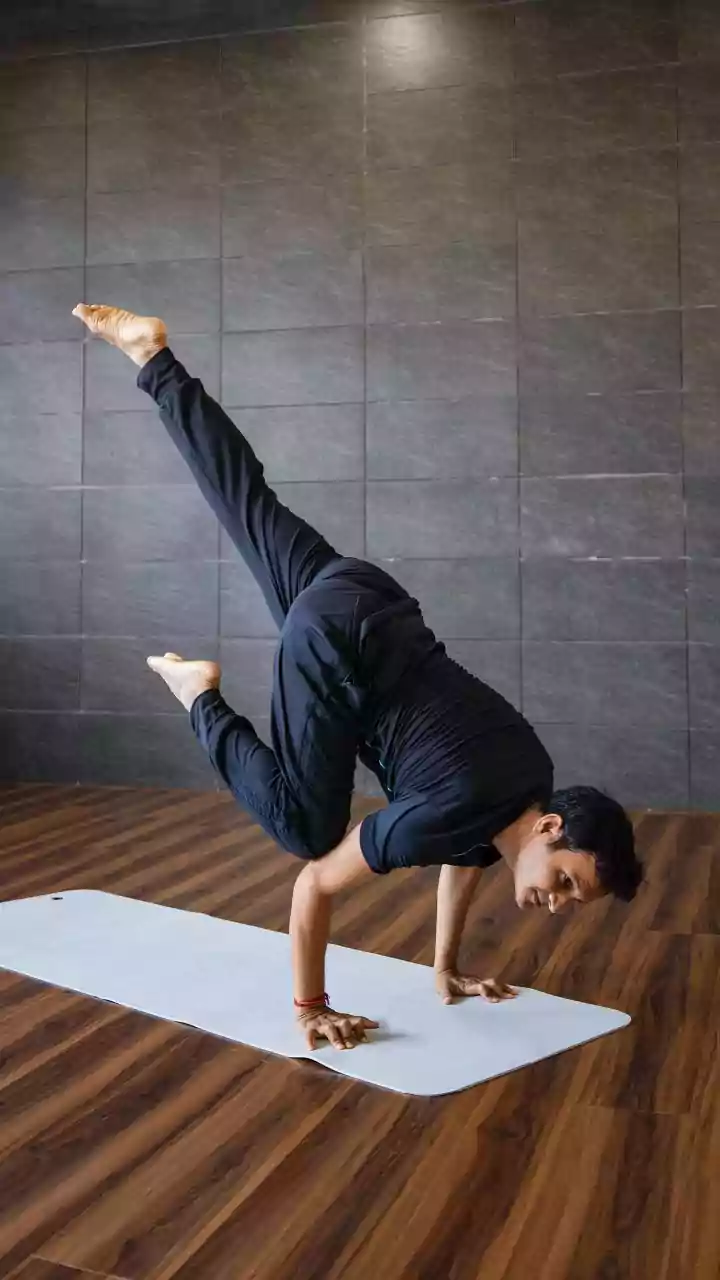
Physically, the two practices offer different experiences. Yoga tends to focus on building strength, flexibility, and balance through sustained poses and controlled transitions. Styles can range from gentle and restorative to powerful and athletic, like Vinyasa or Ashtanga, but the core is always connecting breath to movement. Dance is often more cardio-intensive, providing an energetic workout that improves cardiovascular fitness. It focuses on rhythm, coordination, and stamina. Even styles that enhance flexibility, such as ballet or contemporary, are built around fluid motion and performance rather than the static holds and internal focus of yoga. Someone looking for a sweaty, high-energy release might prefer a dance class, while someone seeking to release tension through deep stretching and stability would likely gravitate toward yoga.
The Mental Game: Mindfulness vs. Catharsis
The mental benefits of yoga and dance are profound but distinct. Yoga cultivates mindfulness by drawing your attention inward, teaching you to observe your thoughts without judgment and to stay grounded in the present. This practice builds a long-term skill for managing stress by changing your reaction to it. Dance, on the other hand, offers a more immediate form of mental release, often described as cathartic. The focus is on the music and movement, which can provide a powerful escape from daily worries. It's about letting go and expressing yourself freely. For some, the structured mindfulness of yoga is the key to calm, while for others, the expressive freedom of dance is what truly clears the mind.
Which Is Better for You?
Ultimately, neither practice is universally 'better' for stress management; the right choice depends entirely on your personality and needs. If you are looking for a quiet, introspective practice to build mental discipline and flexibility, yoga is an excellent option. It helps you find peace from within. If you thrive on energy, music, and social connection, and find stress relief through expressive movement, dance may be the perfect fit. One study comparing the two found that while both reduced stress, yoga had a more statistically significant impact, perhaps due to its direct focus on breathing and nervous system regulation. However, the most effective form of exercise is the one you enjoy and will stick with consistently.