



What is a ChatGPT-to-Design Workflow?
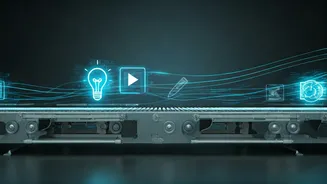
At its core, a 'ChatGPT-to-Design' workflow is a multi-step creative process where generative AI tools are used at every stage, from initial idea to finished product. A typical workflow might start with a creator brainstorming concepts with a large language
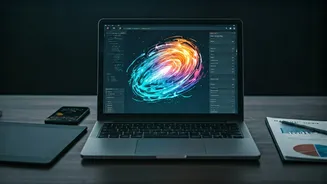
model like ChatGPT. They could ask it to generate blog post outlines, script ideas, or catchy headlines. The creator then takes those text-based ideas and feeds them into AI image generators such as Midjourney or DALL-E to produce visual concepts, mood boards, or specific assets like logos and illustrations. The final step often involves using traditional software like Photoshop, which now includes AI-powered features for editing and refining these generated images, or using all-in-one AI design platforms. This integrated process allows a single person to move seamlessly from abstract language to concrete visuals, dramatically speeding up production.
The New Creator Toolkit
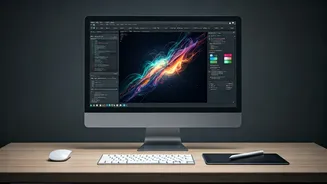
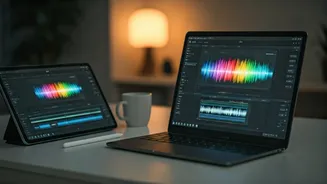
The tools enabling this revolution go far beyond simple chatbots. The modern creator's toolkit is an expanding ecosystem of specialized AI platforms. Image generators are at the forefront, capable of creating everything from photorealistic images to complex vector graphics based on text prompts. AI-powered video tools like Runway and Sora are also gaining traction, helping with tasks like scriptwriting, special effects, and editing. Meanwhile, platforms like Canva have integrated a suite of AI features, automating tasks like resizing assets for different social media channels or maintaining brand consistency across projects. Some platforms now act as all-in-one creative hubs, aggregating multiple AI models to allow creators to generate text, images, and even 3D models from a single interface. This integration means creators no longer need to juggle a dozen different applications; instead, they can manage their entire production line from one dashboard.
The Promise of Speed and Scale
For creators, the primary benefits of these new workflows are speed and scale. Repetitive and time-consuming tasks like creating templates, removing image backgrounds, or resizing visuals can now be automated, freeing up creators to focus on higher-level strategy and concept development. This efficiency allows a solo creator to achieve the output of a small production studio, democratizing an industry once gated by expensive gear and technical skills. AI also serves as a powerful antidote to creative blocks, offering endless suggestions for ideas, styles, and compositions. This ability to rapidly iterate and explore multiple concepts means creators can experiment more freely and pitch ambitious ideas to clients with minimal upfront work.
Navigating the Downsides
Despite the advantages, the rise of AI in creative fields is not without its challenges. One of the most significant concerns is the potential for a homogenized visual culture, where an over-reliance on the same tools leads to generic, uninspired designs. Ethical issues surrounding copyright and originality also loom large. Many AI models are trained on vast datasets of existing art, raising questions about plagiarism and fair compensation for human artists. Furthermore, there is a growing debate about authenticity. A recent report found that while many creators feel pressure to adopt AI, a majority also believe human-created content is becoming a premium, driving stronger emotional connections with audiences. This suggests that while AI is a powerful tool, it cannot fully replicate the nuance, storytelling, and emotional depth that human artists bring to their work.
Human Creativity as the Differentiator
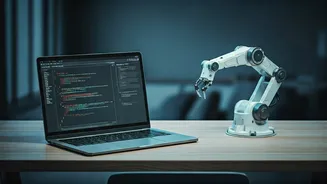
Ultimately, the most successful creators are not using AI to replace their skills but to augment them. As access to powerful creative tools becomes widespread, the true differentiator is no longer technical execution but the human element: a unique perspective, a compelling story, and a genuine point of view. The evolving consensus is that AI is best used as a co-pilot or an assistant, handling the mechanical parts of the creative process while the human remains in the director's chair. Mastering these tools requires a new set of skills, including prompt engineering and the critical thinking needed to guide and refine AI-generated output. The creators who thrive will be those who learn to collaborate with intelligent systems, using them to amplify their innate creativity rather than outsourcing it.