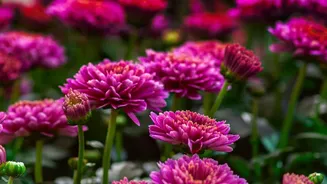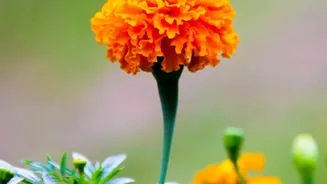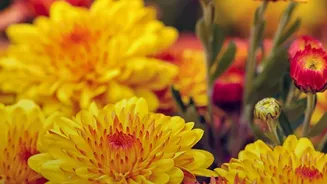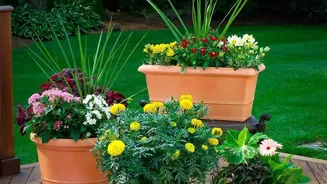





Plan for October Blooms
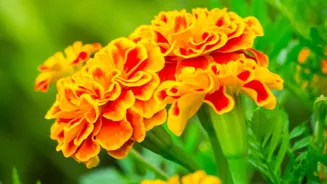
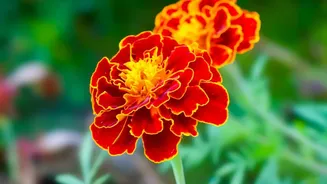
Timing is everything to ensure your flowers are ready for the festivities. For marigolds, a relatively fast-growing flower, sowing seeds in late August or early September will yield blooms in about 8 weeks. Chrysanthemums, the 'Queen of Autumn', require
more lead time. To get blooms for October, you should plant rooted cuttings, which are available at local nurseries, during the monsoon months of July and August. This gives them enough time to establish themselves before the blooming season begins.
Choosing the Right Pots and Place
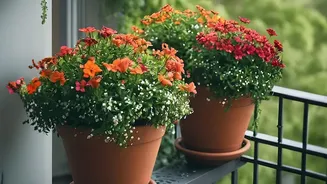
Both marigolds and chrysanthemums thrive in pots but need adequate space and drainage. For marigolds, a 6 to 10-inch pot is suitable, depending on the variety (dwarf French marigolds need less space than larger African types). Chrysanthemums will need a slightly larger 10 to 12-inch pot to accommodate their bushy growth. Crucially, ensure every pot has drainage holes to prevent waterlogging, which can cause root rot. Both these plants are sun-lovers, so find a spot on your balcony or terrace that receives at least six to eight hours of direct sunlight daily.
The Perfect Potting Mix
A good potting mix is the foundation for healthy plants. You can buy a pre-made mix or create your own. A simple, effective recipe for both plants is one part garden soil, one part compost (like vermicompost), and one part cocopeat. This mixture provides nutrients from the compost, structure from the soil, and moisture retention plus aeration from the cocopeat. For added protection against soil pests, mix in a handful of neem cake powder into each pot's soil. This blend ensures the soil is rich and well-draining, which is vital for container gardening.
Planting and Watering Wisdom
When planting your saplings, place them in the new pot at the same depth they were in their nursery bag. Water them immediately after transplanting. The key to watering is consistency, not quantity. Check the soil every day; if the top inch feels dry to the touch, it's time to water. Water the soil directly, avoiding the leaves and flowers, to reduce the risk of fungal diseases. Potted plants dry out faster than those in the ground, so they may need watering daily during hot spells but less frequently during cooler, humid weather.
To Pinch for Fuller Flowers
Pinching is a simple technique that encourages your plants to grow bushier and produce more flowers. When your young chrysanthemum plant is about 6 inches tall, simply pinch off the top 1-2 inches of the main stem with your fingers. This stops the plant from growing tall and leggy and encourages it to send out side shoots. Repeat this process every few weeks on the new shoots until about late July or early August for the Indian climate. You can also pinch marigolds once or twice when they are young to promote a fuller, bushier shape.
Feeding for Abundant Blooms
While your potting mix provides an initial nutrient boost, container plants benefit from regular feeding. Start fertilising about a month after planting. Use a balanced, water-soluble fertiliser every two to four weeks during the growing season. Alternatively, a fortnightly dose of liquid manure can work wonders. Be careful not to over-fertilise with high-nitrogen feeds, as this can lead to lush green leaves but fewer flowers. Stop fertilising once the flower buds begin to show vibrant colour.
Simple Pest Management
Marigolds are known for naturally repelling some pests, but both plants can occasionally be troubled by aphids or spider mites. A simple, organic solution is to spray the plants with a diluted neem oil solution every 10-15 days as a preventive measure. Good air circulation is also important, so avoid crowding your pots too closely together. Regularly check the undersides of leaves for any signs of pests and act quickly to prevent an infestation.