



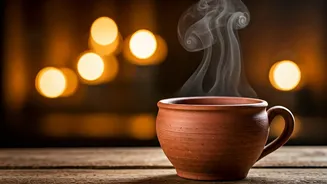



A Comforting Monsoon Ritual
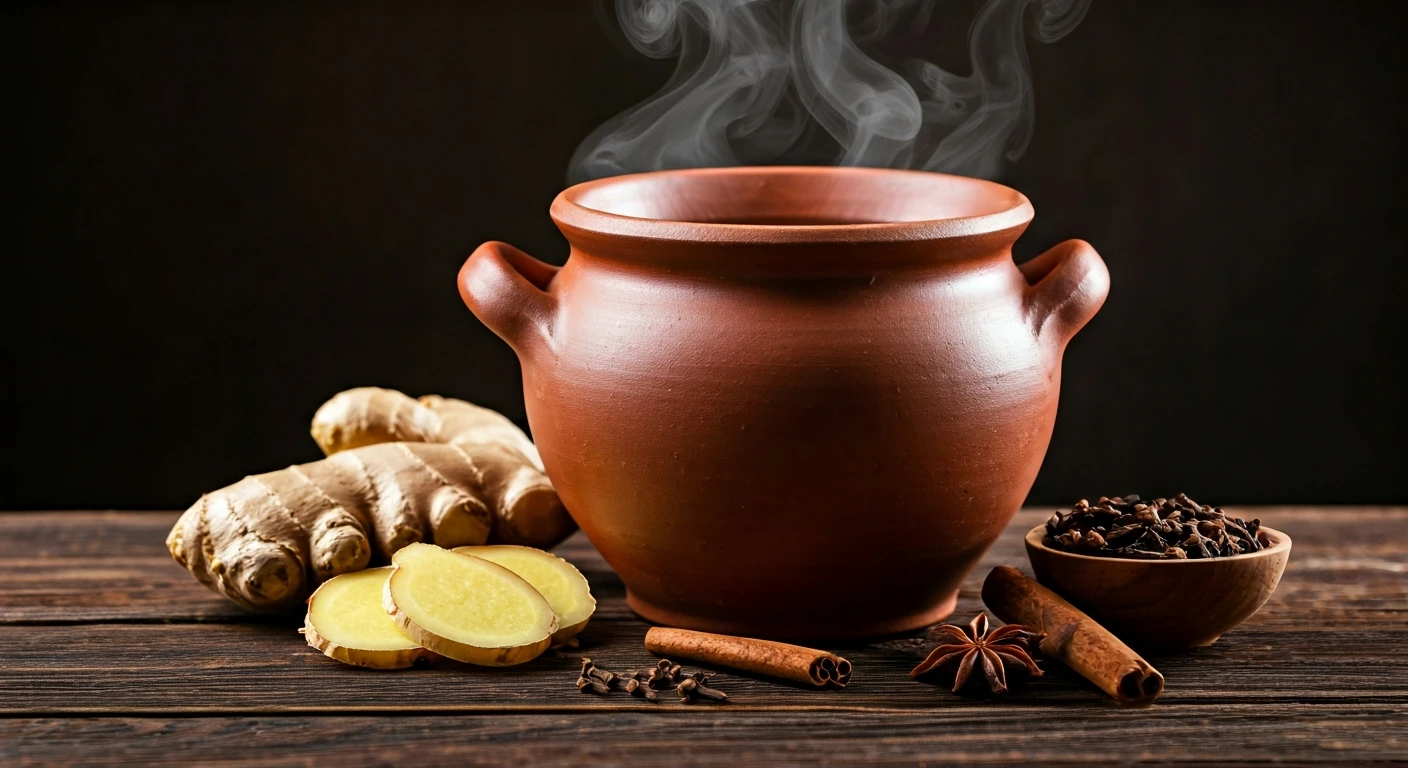
There’s a certain muscle memory associated with the monsoon. As soon as the pitter-patter begins, we crave pakoras, a good book, and a warm, soothing drink. For generations, that drink has been kadha. This herbal decoction, simmered with spices and herbs
from the kitchen masala box, is more than just a home remedy for a cough or cold. It’s a ritual of care, a tradition passed down from our grandparents, and a hug in a cup when the weather turns gloomy. Every household has its own version—some swear by extra ginger, others add a stick of mulethi (liquorice root). But the intention remains the same: to create a potent, warming brew that strengthens the body from within and wards off seasonal ailments.
The Ayurvedic Wisdom Behind the Brew
The practice of drinking kadha is deeply rooted in Ayurveda, India’s ancient system of medicine. According to Ayurvedic principles, the rainy season can aggravate the 'Vata' and 'Kapha' doshas, leading to issues like indigestion, joint pain, colds, and coughs. The ingredients typically used in kadha are chosen for their ability to balance these doshas. Spices like ginger, black pepper, and cloves are 'ushna' (hot) in potency, which helps counteract the cold and dampness of the monsoon. They work to kindle the 'agni' or digestive fire, which is believed to be sluggish during this season. So, while it feels like a simple home remedy, kadha is a carefully designed wellness tool meant to help the body adapt to the seasonal shift.
The Power Players in Your Cup
While recipes vary, a few core ingredients form the backbone of most kadhas, each bringing its own unique benefits to the brew.
Ginger (Adrak): This humble root is a powerhouse. Known for its anti-inflammatory and antioxidant properties, ginger is a go-to for soothing a sore throat and easing nausea. Its warming nature helps clear congestion and aids digestion, making it an essential part of any monsoon kadha.
Tulsi (Holy Basil): Revered in India as the 'Queen of Herbs', Tulsi is an adaptogen, which means it helps the body adapt to stress and supports mental balance. It’s rich in antioxidants and traditionally used to support respiratory health, making it invaluable for fighting off coughs and colds.
Black Pepper (Kali Mirch) & Cloves (Laung): This dynamic duo provides the spicy kick. Black pepper contains piperine, which not only aids digestion but also enhances the absorption of other nutrients. Cloves are a natural antiseptic and are excellent for throat irritation and clearing phlegm.
Cinnamon (Dalchini): More than just a flavouring agent, cinnamon is loaded with antioxidants and has anti-inflammatory properties. It adds a sweet warmth to the kadha and is believed to help manage blood sugar levels.
Turmeric (Haldi): The golden spice needs no introduction. Its active compound, curcumin, is a potent anti-inflammatory agent. A pinch of turmeric in your kadha can help boost overall immunity.
A Simple Recipe to Get You Started
Ready to brew your own pot of wellness? Here is a basic, customisable kadha recipe.
Ingredients:
- 2 cups of water
- 1-inch piece of ginger, grated or crushed
- 4-5 tulsi leaves
- 3-4 black peppercorns, crushed
- 2 cloves, crushed
- A small piece of cinnamon stick
- A pinch of turmeric (optional)
- 1 teaspoon of honey or jaggery (to taste)
Instructions:
1. In a saucepan, add the water, ginger, tulsi, crushed peppercorns, cloves, and cinnamon.
2. Bring the mixture to a boil.
3. Reduce the heat and let it simmer for 10-15 minutes, or until the water reduces to about half. This process allows the water to absorb the goodness of the spices.
4. Turn off the heat and strain the liquid into a cup.
5. Stir in honey or jaggery until it dissolves. Always add honey after the kadha has cooled slightly, as boiling honey is not recommended in Ayurveda.
6. Sip slowly while it’s warm.
Enjoy in Moderation
While kadha is a wonderful supportive drink, it's important to remember that it is potent. The spices used are heating in nature, and overconsumption, especially for those with a 'Pitta' (fire) constitution, can sometimes lead to acidity, heartburn, or nosebleeds. A small cup once a day during the monsoon is generally considered safe and beneficial. Think of it as a natural supplement, not a replacement for water or meals. It's a tool to support your body’s defences, not a magic cure. If symptoms of illness persist, it’s always best to consult a doctor.