





Think of the ornate showpiece gathering dust in a cupboard. A quiet but powerful revolution is reshaping Indian gifting, where the joy of receiving something you will actually use is starting to eclipse the appeal of passive luxury.
The Twilight of the Showpiece
For generations, the
unwritten rules of Indian gifting were clear. Festivals, weddings, and housewarmings demanded items that signalled status and generosity. Intricate silver platters, crystal vases, and decorative clocks were standard, chosen more for their perceived value than their practicality. The intent was always warm, but the result was often a home filled with 'good' things that were too precious or impractical to use. This era of gifting for the display cabinet is slowly fading. Today, the focus is shifting from obligation to intention. The question is no longer just ‘what is a grand gift?’ but rather ‘what will the recipient truly appreciate and use?’. This marks a significant move away from gifts that serve as mere status symbols to those that add genuine value to a person’s life.
A New Pragmatism for a New India
This shift is deeply connected to India’s changing social fabric. With rising urbanisation, smaller living spaces, and an increase in nuclear families, there is simply less room for items without a function. Modern households, often with dual incomes, prioritise efficiency and convenience. A gift that solves a problem, saves time, or enhances a daily routine is seen as far more thoughtful than one that requires dusting. This new pragmatism is not about being cheap; it's about being considerate. It acknowledges the recipient's actual lifestyle. A high-quality coffee machine for a coffee lover, a subscription to a streaming service for a film buff, or a smart speaker for a tech-savvy friend demonstrates a deeper understanding of their needs and personality than a generic luxury item.
Redefining What 'Useful' Means
The word 'utility' might sound boring, but the modern interpretation is anything but. Practical gifting isn’t about handing over a set of screwdrivers. It’s about a new kind of luxury rooted in purpose and personal experience. 'Useful' can mean a set of artisanal skincare products that promote wellness, a voucher for a weekend getaway to create memories, or an online course that supports a passion. The emphasis has moved from the object itself to the experience it provides. Even corporate gifting, once dominated by generic diaries and sweet boxes, has transformed to include wellness kits, tech accessories, and sustainable products that reflect modern values. This evolution proves that a useful gift can still be premium, desirable, and deeply personal.
The Generational Shift Driving the Change
Millennials and Gen Z are at the forefront of this revolution. Having grown up with unprecedented global exposure and digital access, younger Indians value authenticity and personal expression over traditional displays of wealth. For them, a gift is an extension of their relationship with the receiver. They are more inclined to spend on personalised or customised items that tell a story, reflecting shared jokes, memories, or interests. This generation is less bound by the old rules of reciprocity, where the monetary value of a gift had to be matched. Instead, the effort and thought behind the gift hold more weight, making personalised and practical presents the new gold standard.
How Festivals and Weddings Are Adapting
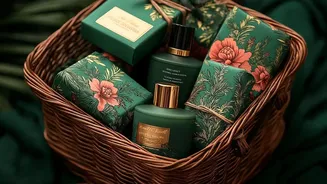
Nowhere is this trend more visible than during India’s grand festivals and weddings. The mountain of near-identical sweet boxes and decorative idols is giving way to more considered choices. While traditional gifts still have their place, many are opting for curated hampers with a mix of gourmet foods, wellness items, and small, useful objects. Gift registries for weddings, once a Western concept, are gaining traction, allowing couples to ask for things they genuinely need to start their new life. E-vouchers and gift cards are also shedding their 'impersonal' tag, now seen as a practical way to give the recipient the ultimate freedom of choice. This shift ensures that the spirit of giving results in joy and utility, not storage stress.