







The Problem with Counting
For decades, the 'calorie in, calorie out' model has dominated diet culture. It’s a simple concept: eat fewer calories than you burn, and you'll lose weight. While there's a kernel of truth in energy balance, this approach is fundamentally flawed because
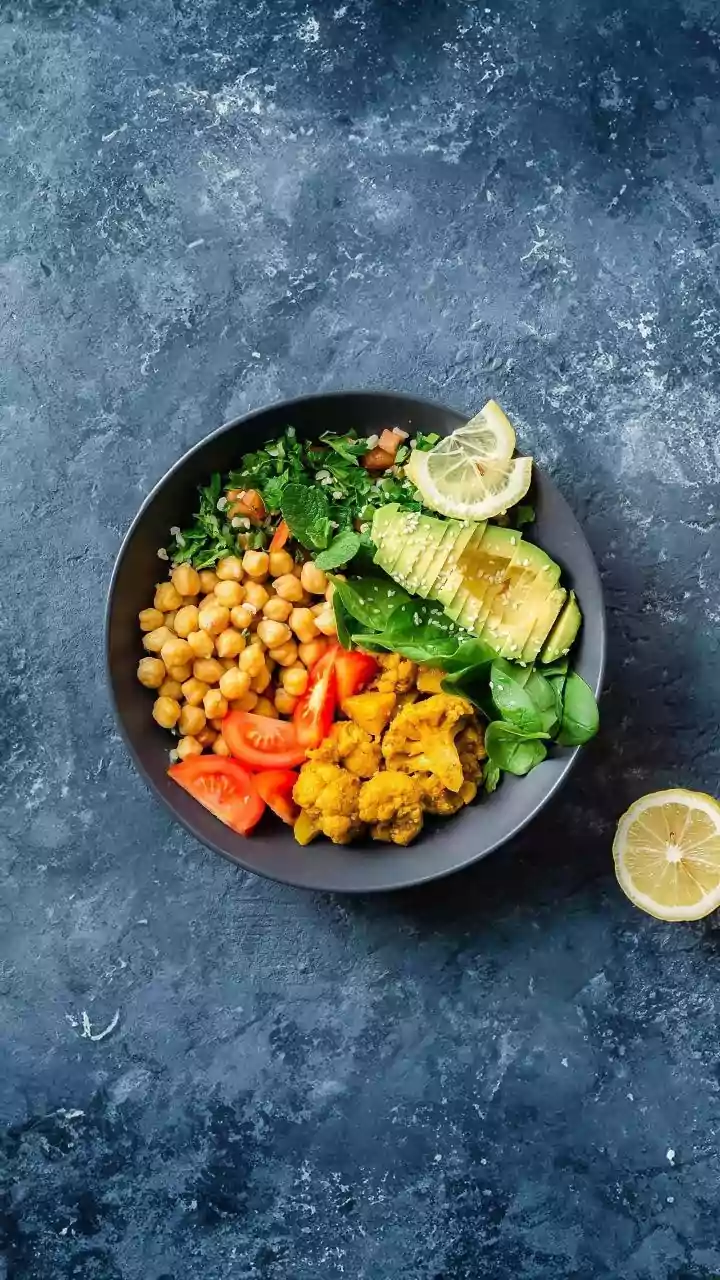
it treats all calories equally. In reality, 200 calories of chickpeas and 200 calories of a sugary soda have vastly different effects on your body, your hormones, and your hunger levels. Focusing only on the number encourages a mindset where food quality is ignored, and it can create an unhealthy, anxious relationship with eating. The process is often tedious, inaccurate, and unsustainable for most people in the long run.
The Importance of Satiety
Satiety is the feeling of being full and satisfied after a meal, which prevents you from needing a snack shortly after. It’s a crucial signal that helps regulate food intake naturally. Different foods have different effects on satiety, largely independent of their calorie count. Protein is a standout macronutrient for promoting fullness because it slows digestion and helps stabilize blood sugar. Similarly, foods high in fiber, like vegetables, legumes, and whole grains, add bulk to meals and slow down digestion, keeping you satisfied for longer. Eating 300 calories of grilled chicken and broccoli will keep you far more content than 300 calories of potato chips because of the protein and fiber, helping you naturally manage hunger without feeling deprived.
Why Dietary Variety Matters
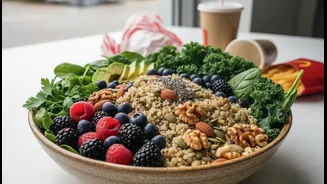
Eating the same few 'safe' foods every day might seem like a simple way to control your diet, but it's a missed opportunity for your health. A varied diet is crucial for providing the wide range of vitamins and minerals your body needs to function optimally. More importantly, dietary diversity is directly linked to the diversity of your gut microbiome—the community of trillions of bacteria in your digestive system. A more diverse microbiome is a sign of good gut health, which impacts everything from your immune system to your mood. Research from the American Gut Project found that people who ate more than 30 different types of plant foods per week had significantly more diverse gut microbiomes than those who ate 10 or fewer. This doesn't just mean fruits and vegetables; it includes nuts, seeds, whole grains, legumes, herbs, and spices.
Focusing on Nutrient Density
Nutrient density is perhaps the most powerful concept to embrace when moving beyond calories. It refers to the amount of nutrients—vitamins, minerals, fiber—a food contains relative to its calorie content. A handful of spinach is incredibly nutrient-dense, packed with vitamins and minerals for very few calories. In contrast, a doughnut is 'calorie-dense' but 'nutrient-poor,' offering a lot of energy with little nutritional benefit. By prioritizing nutrient-dense foods, you give your body the building blocks it needs to thrive without consuming excess calories. This approach naturally leads to better energy levels, a stronger immune system, and helps manage weight by promoting satiety. Think colourful vegetables, leafy greens, lean proteins, and whole grains.