


Ghevar from Rajasthan
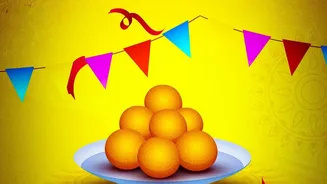
This honeycomb-like sweet is a Rajasthani delicacy synonymous with the Sawan festivals of Teej and Raksha Bandhan. Made from a batter of flour and ghee, which is deep-fried to create a porous, disc-shaped cake, Ghevar is then soaked in sugar syrup. Its
true magic lies in the toppings, which range from a simple sprinkle of nuts to a rich layer of rabri (thickened sweet milk) or malai. The sweet is traditionally prepared only during the monsoon, making it a rare and cherished treat. The moisture in the air is believed to help it stay soft and delicious for longer. It is often sent as a gift from a woman's maternal home during Teej, symbolizing love and good wishes for her marital life.
Pathrode from Coastal Karnataka
A specialty of the Mangalore and Udupi regions, Pathrode is a savoury snack that makes brilliant use of colocasia (or taro) leaves, which grow abundantly during the monsoon. The leaves are carefully cleaned and then smeared with a thick, spiced batter typically made from ground rice, coconut, tamarind, jaggery, and red chillies. Several coated leaves are stacked, rolled into tight cylinders, and steamed. The cooked rolls are then sliced into pinwheels. These can be eaten as is with a drizzle of coconut oil, or shallow-fried on a tawa until the edges become wonderfully crisp, creating a dish with a complex blend of spicy, sweet, and tangy flavours.
Ilish Maach from West Bengal
For Bengalis, the monsoon is incomplete without Ilish, or Hilsa, the undisputed 'king of fishes'. This anadromous fish, which migrates from the sea to rivers to spawn during the rainy season, develops a unique, rich flavour and oily texture that is highly prized. The arrival of fresh Ilish in markets marks a celebratory period. It is prepared in numerous ways, but some of the most iconic dishes include Ilish Bhapa (steamed with a pungent mustard paste) and simple Ilish Bhaja (fried fish), where the oil used for frying is mixed with hot rice for an unforgettable meal.
Anarsa from Bihar and Maharashtra
Anarsa is a traditional sweet that holds a special place in the festive kitchens of Bihar and Maharashtra, particularly during Sawan and Diwali. It is a painstaking delicacy made from rice flour, which is prepared by soaking rice for several days, drying it, and then grinding it into a powder. This flour is mixed with jaggery or sugar to form a dough that is often left to ferment, giving it a unique flavour. The dough is then shaped into small, flat discs or balls, coated in poppy seeds (khus-khus), and deep-fried in ghee until crisp and golden brown. The result is a delightful sweet with a crunchy exterior and a soft, chewy interior.
Malpua and Kheer from Punjab
In the northern state of Punjab, the rainy season is welcomed with an indulgent combination: Malpua served with Kheer. Malpua are sweet, delicate pancakes made from a batter of flour, milk, and sometimes semolina for extra crispness. They are often flavoured with fennel seeds and cardamom before being deep-fried in ghee and soaked in sugar syrup. These warm, syrup-soaked pancakes are traditionally served alongside Kheer, a creamy Indian rice pudding. The pairing of the soft, rich malpua with the cool, comforting kheer creates a dessert that is considered a classic monsoon treat in the region.
Sattvic Vrat Foods across North India
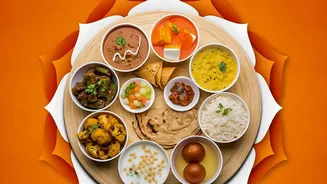
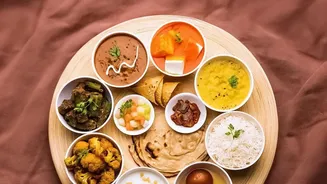
The month of Sawan is also a time of fasting, especially on Mondays (Sawan Somwar). This has given rise to a whole genre of 'vrat' or fasting cuisine that is light on the stomach and avoids ingredients like onion, garlic, and regular table salt. Staples include Sabudana Khichdi (tapioca pearls with potatoes and peanuts), Kuttu ki Puri (buckwheat flour flatbreads), and Samak Rice (barnyard millet) pulao. These dishes use rock salt (sendha namak) and are designed to provide energy while adhering to the principles of a sattvik diet, which is considered pure and calming for the mind.