

The Official Protein Recommendation for Indians
The Indian Council of Medical Research (ICMR) provides clear guidelines on our nutritional needs. According to its latest recommendations, a healthy but sedentary adult needs about 0.83 grams of protein per kilogram of body weight each day. This means
a person weighing 65 kilograms would require approximately 54 grams of protein daily, while a 55-kilogram individual needs about 46 grams. These figures are tailored for the typical Indian dietary pattern, which relies heavily on plant-based foods. The requirements increase for those who are more physically active, pregnant or lactating women, and growing adolescents.
Protein in Your Katori and on Your Plate
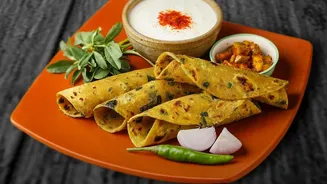
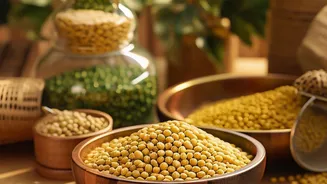
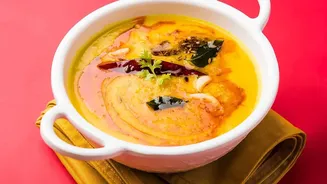
So, how do dal and cereals stack up? A standard katori (about 150g) of cooked dal, whether it's toor, moong, or masoor, generally provides between 7 to 9 grams of protein. Some varieties like chana dal and rajma can offer slightly more, around 9 to 13 grams per serving. Meanwhile, cereals also contribute. A couple of whole wheat rotis can add about 6-8 grams of protein to your meal. While these numbers are significant, relying solely on one or two katoris of dal and a few rotis might leave you short of the daily 50-60 gram target that many adults have. A recent CEEW study found that cereals alone contribute nearly half of the protein in the average Indian diet, a much higher proportion than recommended.
The Science of 'Complete' Protein
The conversation about protein isn't just about quantity; it's also about quality. Proteins are made of building blocks called amino acids. There are nine 'essential' amino acids that our bodies cannot produce and must get from food. Most animal products are 'complete proteins,' meaning they contain all nine. Most plant-based foods, however, are 'incomplete,' as they are low in one or more of these essential amino acids. For instance, dals and other legumes are generally rich in an amino acid called lysine but low in methionine. Cereals like rice and wheat have the opposite profile: they are low in lysine but contain methionine.
The Magic of Combining Dal and Cereals
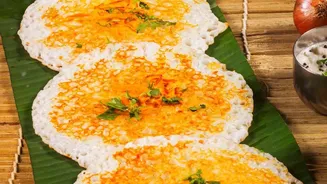
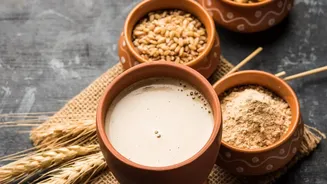
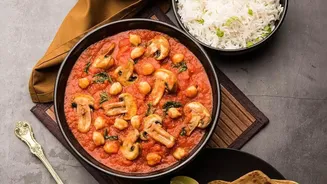
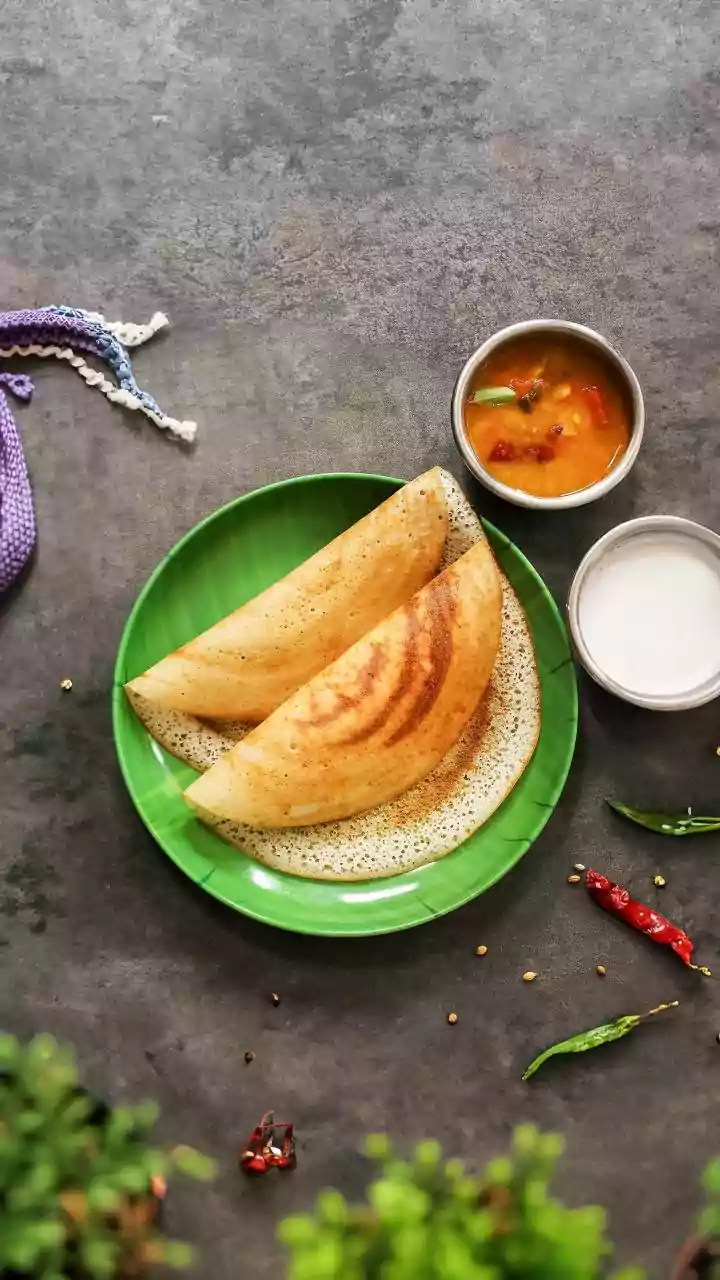
This is where the genius of traditional Indian meals shines. The classic combinations of dal-rice (dal chawal) or dal-roti are not just a matter of taste and tradition; they are a perfect example of nutritional synergy. When you eat dal with rice or roti, the amino acids from each food complement the other. The lysine from the dal makes up for what's missing in the cereal, and the methionine from the cereal completes the profile of the dal. Together, they form a 'complete protein' with all nine essential amino acids, giving your body the full range of building blocks it needs for everything from muscle repair to immune function. Other classic pairings like sambhar with idli or dosa, and rajma with rice work on the same principle.
Beyond Dal: Diversifying Your Protein Sources
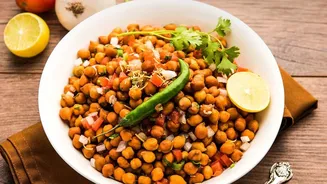
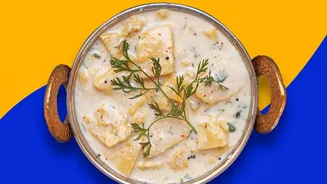
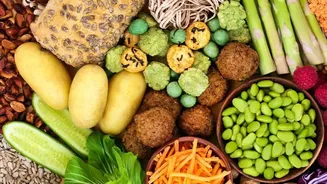
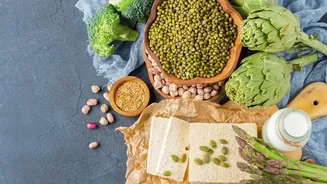
While the dal-cereal combination is powerful, ensuring you meet your daily target requires a varied diet. To boost your intake, consider including other protein-rich vegetarian foods. Dairy products like paneer, curd (dahi), and milk are excellent sources of complete protein. A 200g bowl of curd can add around 7 grams of protein to your meal. Other valuable additions include legumes like chickpeas (chana) and kidney beans (rajma), as well as nuts and seeds like almonds and pumpkin seeds. For those open to them, soy products like tofu and soy chunks are among the best sources of complete plant protein available. By mixing and matching these sources throughout the day, you can comfortably meet and even exceed your daily protein requirements.