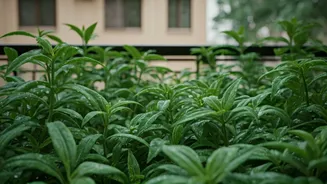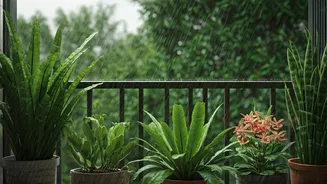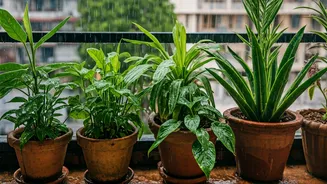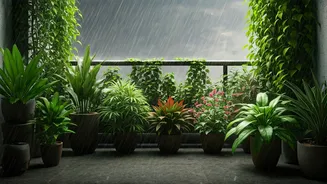





Why Garden in the Monsoon?
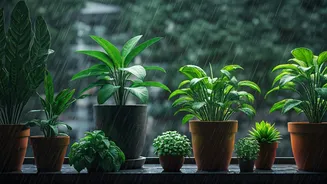
The Indian monsoon, typically from June to September, offers a unique opportunity for home gardeners. The air is humid, temperatures are cooler, and natural rainfall reduces the daily chore of watering. [6, 11] These conditions are ideal for many leafy
greens and herbs that love moisture but can falter in the intense summer heat. [13, 16] However, success during this season hinges on one critical factor: drainage. Heavy rains can lead to waterlogged pots and root rot, so ensuring your containers have plenty of drainage holes is non-negotiable. [3, 5] Elevating pots on stands or bricks can also help excess water escape, keeping your plants healthy. [3, 11]
Spinach (Palak)
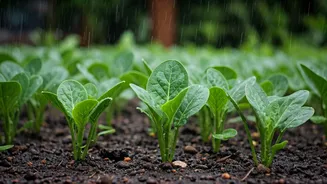
Spinach is arguably one of the easiest and most rewarding greens to grow during the monsoon. [13, 16] It thrives in the moist, cool conditions and can be ready for its first harvest in as little as three to four weeks. [22] For balcony gardening, choose a wide, shallow pot or a rectangular planter. Use a well-draining soil mix, perhaps combining garden soil, compost, and coco-peat to keep it light. [4, 22] Sow seeds about a centimetre deep and keep the soil consistently moist. [22] The key to a continuous supply of palak is to harvest only the outer leaves, allowing the inner leaves to keep growing for future use. [22] Its love for partial shade also makes it perfect for balconies that don't receive harsh, direct sunlight all day. [9, 22]
Coriander (Dhania)
No Indian kitchen is complete without fresh coriander, and growing it during the monsoon is surprisingly easy. Coriander prefers cooler weather and partial sunlight, making the rainy season ideal. [9, 16] To improve germination, lightly crush the seeds before soaking them overnight. [16] Plant them in a wide container with well-drained soil. [16] One of the biggest challenges with store-bought dhania during the rains is mud and rot, a problem you completely avoid with your own homegrown stash. [16] You can expect your first harvest in about three to four weeks, ready to be snipped for garnishes, chutneys, and curries. [16]
Mint (Pudina)
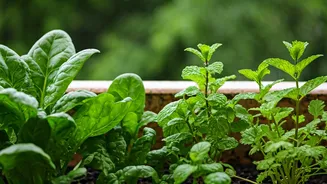
Mint is a famously vigorous herb that loves the moist conditions of the Indian monsoon. [3, 13] In fact, it grows so prolifically that it’s best to keep it in its own pot to prevent it from taking over your other plants. The easiest way to start is not from seed, but from a few healthy cuttings from the market. [21] Simply place the stems in water, and in about a week, you'll see roots begin to form. [21] Once rooted, transplant them into a pot with a mix of soil and compost. [21] Keep the soil moist, and you'll have a never-ending supply for chutneys, teas, and raitas throughout the season. [21]
Fenugreek (Methi)
Fenugreek, or methi, is another fast-growing leafy green perfect for monsoon container gardening. The leaves are packed with nutrients and can be harvested multiple times if you snip them correctly without uprooting the plant. [13, 16] Like coriander, soaking the seeds overnight can aid germination. [16] Methi isn't fussy and grows well in shallow trays or pots with good drainage. You can enjoy your first harvest of tender microgreens in just a couple of weeks, or wait about a month for mature leaves. [16] Its ability to thrive in humidity makes it a reliable choice for the rainy months. [13]
Chillies
While not a leafy green, no kitchen garden feels complete without a chilli plant. Chilli plants love the warm and humid weather that the monsoon brings. [7, 10, 12] They are compact and grow exceptionally well in pots of about 10-12 inches. [2] Ensure they are placed in a spot that receives at least 5-6 hours of sunlight. [2, 7] The constant moisture from the rain, combined with good drainage, encourages a healthy and continuous crop. Having fresh chillies on hand to spice up your monsoon meals is a simple luxury that a balcony garden can easily provide. [7]