



The First Domino: A Collapsing Glacier
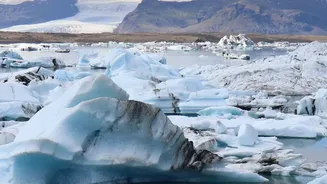
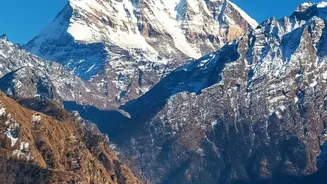
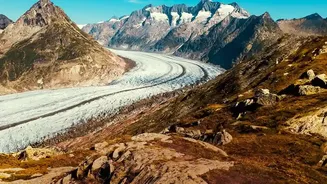
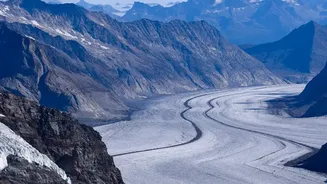
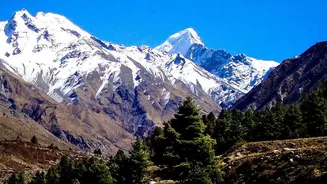
High in the Himalayas, glaciers are often called the 'Third Pole' for their vast stores of ice. But as global temperatures rise, these glaciers are retreating at an alarming pace. This melting creates enormous glacial lakes, often held back only by unstable
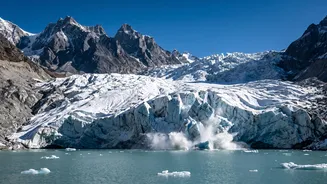
natural dams made of rock and debris called moraines. On August 26, 2026, a massive section of a glacier near the Nepal-China border collapsed. This initial break was the first critical step in the disaster. Experts citing satellite imagery noted a substantial portion of the glacier's snout simply broke off. While the exact reason for a glacier's collapse can be complex, it is often linked to the general instability caused by a warming climate. This collapse set the stage for a much larger event.
The Trigger: A Massive Landslide
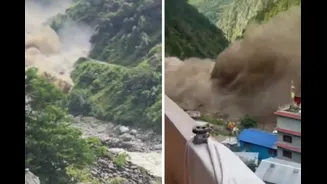
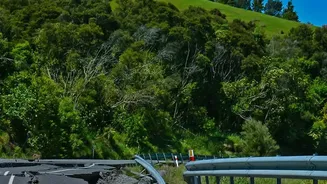
The collapse of the glacier triggered a secondary, more powerful event: a massive landslide. The force of the falling ice and rock, described by geologists as an 'ice-rock avalanche', destabilised the already fragile mountain slopes. The resulting landslide was so significant that it registered as a 5.2 magnitude seismic event on local seismometers, initially causing confusion that an earthquake had occurred. However, analysis by the US Geological Survey confirmed the seismic signal was generated by the landslide itself, not a tectonic event. This landslide became the immediate trigger for the flood, acting as a colossal plunger. It either crashed directly into a river, creating a temporary dam, or fell into a glacial lake, causing a massive volume of water to be displaced in an instant. In this case, it appears the landslide temporarily blocked the Bhote Koshi River.
The Final Act: The River's Destructive Surge
Once the river was blocked by the debris from the landslide, an immense volume of water built up behind this makeshift dam. When the dam inevitably failed under the immense pressure, it released what has been described as an 'inland tsunami'. This is the flash flood. It wasn't just water; it was a violent, fast-moving torrent of mud, rocks, and debris from the landslide, which is far more destructive than a typical flood. This debris flow surged down the Bhote Koshi river valley, decimating villages, roads, bridges, and hydropower plants on both the Nepal and Tibet sides of the border. Videos from the scene showed the violent torrent sweeping away buildings and infrastructure, leaving little time for people to escape. This devastating final stage is what transforms a high-altitude geological event into a humanitarian disaster, killing at least 160 people and leaving hundreds missing.
A Shared Threat for the Himalayan Region
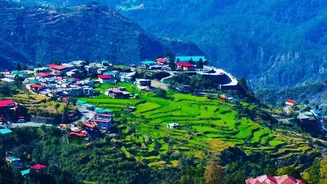
The tragic events in Nepal are not an isolated risk. The entire Hindu Kush Himalayan region, including Indian states like Uttarakhand, Himachal Pradesh, and Sikkim, faces similar threats. Scientists have identified thousands of glacial lakes in the Himalayas, with over 200 considered vulnerable to outburst floods, known as Glacial Lake Outburst Floods (GLOFs). These events can be triggered by the same chain reaction seen in Nepal: glacial melt, slope instability from earthquakes or heavy rain, and a subsequent landslide or avalanche into a lake. As climate change continues to accelerate glacier melt, the frequency and intensity of such 'cascading hazards' are expected to increase, posing a significant danger to downstream communities and vital infrastructure across the region.