





The Disappearing Stars
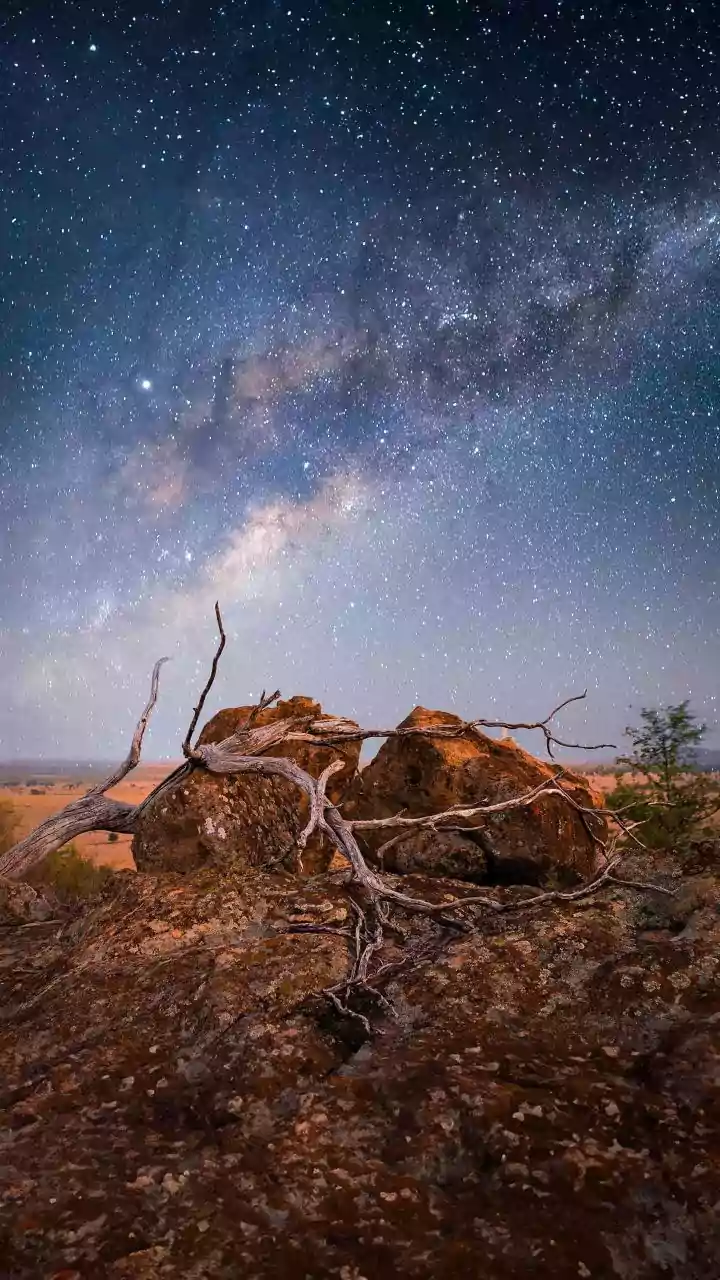
For most of humanity’s existence, an unobscured, blazing night sky was a universal experience. Today, it is a rarity. The relentless glow of artificial lights from our cities and towns has created a veil of light pollution, washing out the stars and disconnecting
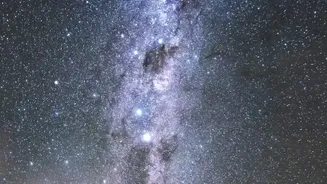
us from the cosmos. It is estimated that a vast majority of people in India and around the world live under skies so brightened that they can no longer see the Milky Way galaxy. This loss is not just a poetic one; it affects nocturnal wildlife, wastes energy, and erases a fundamental part of our natural heritage. Preserving a truly dark night sky has become an urgent act of environmental and cultural conservation.
A Celestial Paradise Called Hanle
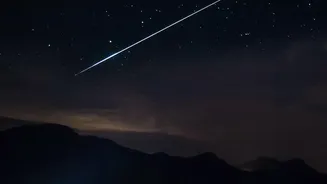
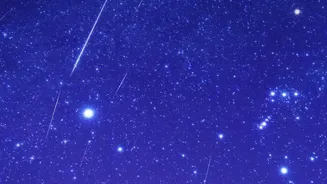
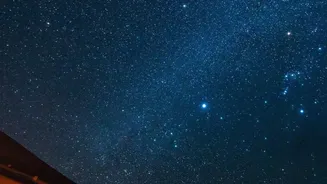
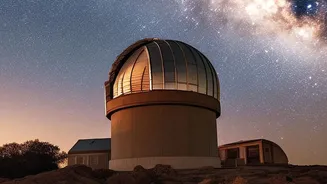
In the search for darkness, astronomers and stargazers look to the most remote places on Earth. One such place is Hanle, a village nestled in the Changthang plateau of eastern Ladakh. Situated at a breathtaking altitude of 4,500 metres (about 14,800 feet), Hanle is a cold, high-altitude desert. Its unique geography creates the perfect recipe for stargazing: thin, dry air, minimal cloud cover for over 255 nights a year, and a sparse population. These pristine conditions are why the Indian Institute of Astrophysics (IIA) established the Indian Astronomical Observatory (IAO) here, one of the highest observatories in the world. The clarity is so exceptional that Hanle is rated as a 'Bortle 1' site, the darkest possible classification for a night sky.
India's First Sanctuary for Starlight
To protect this invaluable resource, a landmark initiative was launched. In 2022, a 22-kilometre radius around Hanle was officially designated as India's first Dark Sky Reserve. This is not just a park, but a collaborative "network" involving the Union Territory of Ladakh administration, the local hill council, and scientists from the IIA. The goal is to manage light pollution actively. This means villagers use shielded outdoor lights, install blackout curtains distributed as part of the project, and even regulate vehicle headlights to prevent stray light from interfering with the observatory's sensitive telescopes and the natural darkness of the area.
A Boost for Tourism and Science
The Hanle Dark Sky Reserve (HDSR) is a win-win for science and the local community. For scientists at the IAO, it ensures that their multi-crore investment in telescopes like the Himalayan Chandra Telescope continues to yield world-class research in a pristine environment. For the residents of Hanle and the surrounding villages, it has opened up a new, sustainable form of economic development: astro-tourism. Travellers from across India and the world are now making the long journey to Hanle not just for its stark beauty, but for the unparalleled experience of seeing the universe in its full glory. This niche tourism provides income and opportunities in a remote region.
Local Hands Guiding Eyes to the Heavens
What makes the Hanle initiative truly special is the deep involvement of the local community. The IIA has trained dozens of local residents, many of them women, to be 'Astronomy Ambassadors'. Equipped with telescopes and knowledge, these guides lead stargazing sessions for tourists, sharing insights about the constellations, planets, and galaxies visible from their home. Visitors often stay in local homestays, experiencing authentic Ladakhi hospitality while contributing directly to the local economy. This empowerment model ensures that the community has a direct stake in preserving the darkness, transforming a scientific necessity into a source of local pride and livelihood.