

The Ethylene Gas Effect
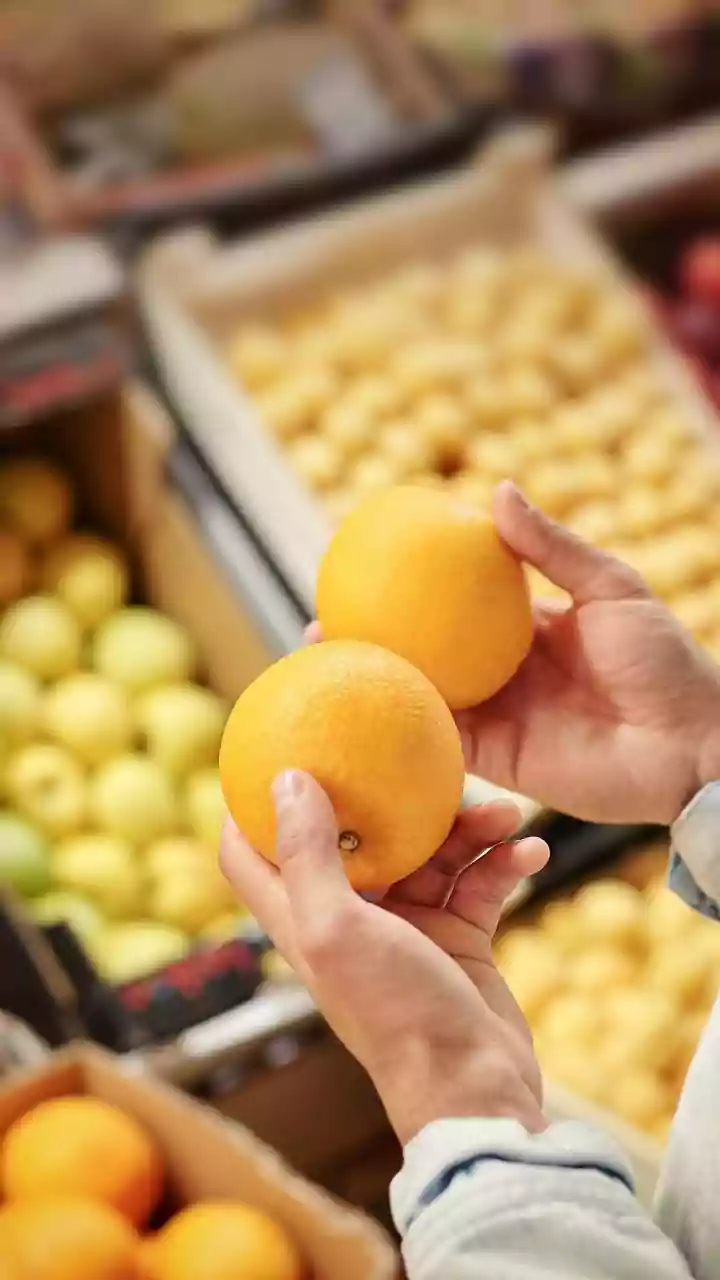
Some fruits and vegetables release a natural, odourless gas called ethylene as they ripen. This gas acts as a ripening hormone, but it can cause other nearby produce to spoil much faster. High ethylene producers include apples, ripe bananas, avocados,
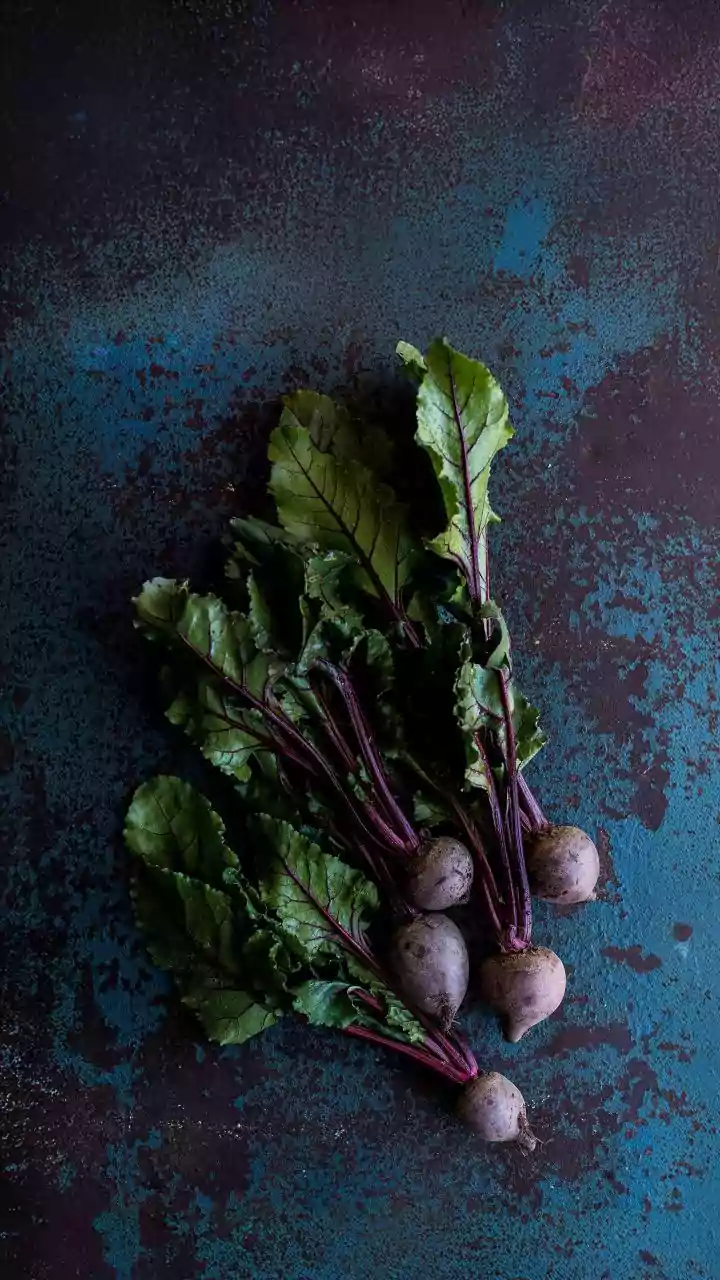
peaches, pears, and tomatoes. On the other hand, produce like asparagus, broccoli, carrots, cucumbers, and leafy greens are highly sensitive to ethylene. Storing these two groups together is a recipe for wilted greens and bitter carrots. The solution is simple: separation. Use different crisper drawers or keep ethylene-producing fruits on the counter, away from your sensitive vegetables.
The Great Tomato Debate
It’s one of the most common kitchen questions: should tomatoes go in the fridge? For the sake of flavour, the answer is a firm no. Chilling a tomato stops the enzymes that create its signature sweet, complex taste. While the cold preserves its appearance, it permanently dulls the flavour compounds, leaving you with a bland, watery fruit. Studies show that even a few days in the fridge significantly reduces the aromatic chemicals that make a tomato taste exciting. The ideal place for a tomato is on the counter at room temperature. The only exception is if a tomato is perfectly ripe and you need to buy an extra day or two before it becomes overripe; in that case, refrigeration can be a necessary evil to prevent waste.
Humidity and Your Crisper Drawer
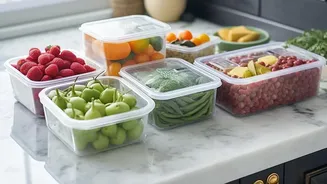
Those sliding vents on your refrigerator's crisper drawers are there for a reason. They control humidity, which is just as important as temperature for preserving freshness and taste. Most vegetables, especially leafy greens and thin-skinned items prone to wilting, prefer a high-humidity environment. Closing the vent on a crisper drawer traps moisture, keeping greens crisp. You can also wrap them in a damp paper towel for extra protection. Fruits, however, generally prefer low humidity. Many fruits rot easily and produce ethylene gas, so opening the vent allows that gas and excess moisture to escape, slowing down the ripening process. If you have only one drawer, dedicate it to high-humidity vegetables.
Handling Fresh Herbs with Care
Fresh herbs can go from vibrant to slimy in a flash if stored improperly. The key is to understand that different herbs have different needs. Soft herbs like cilantro, parsley, and mint have tender stems and should be treated like a bouquet of flowers. Snip the ends, place them upright in a jar with an inch of water, and loosely cover with a plastic bag in the fridge. The one major exception is basil, which is damaged by cold; it should be kept in water at room temperature. Hard herbs with woody stems, such as rosemary, thyme, and oregano, do best when wrapped in a lightly damp paper towel and stored in a sealed bag or container in the fridge. This method provides just enough moisture to prevent them from drying out without causing them to rot.
Beyond the Produce Aisle
Flavour loss isn't limited to fruits and vegetables. Many home cooks make the mistake of storing bread in the refrigerator, believing it extends its life. In reality, the cold temperature speeds up the staling process, resulting in a hard, dry loaf. The best place for bread is at room temperature in a bread box or paper bag, which allows for some airflow. For long-term storage, freezing is the best option. Other pantry staples also suffer from improper storage. Olive oil, for instance, can lose its flavour and become rancid when exposed to heat and light, so it should never be kept next to the stove. Store it in a cool, dark pantry to protect its delicate taste.