
From Itinerary to Experience
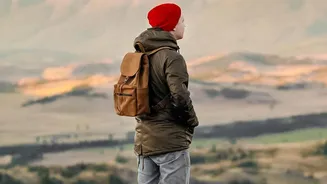
The way we travel is changing. The classic holiday model, a rushed checklist of famous landmarks and photo opportunities, is giving way to a more profound desire for connection. Today’s travellers, especially millennials and Gen Z, are less interested
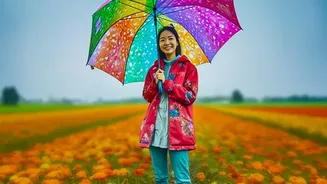
in just seeing a place; they want to live it. This has fuelled a global shift towards 'experiential travel', where the goal is to immerse oneself in the local way of life. Recent reports highlight that Indian travellers are enthusiastically embracing this trend, seeking out authentic, memorable moments over passive sightseeing. The focus is no longer on where you went, but what you did, learned, and felt.
The Rise of the Culinary Traveller
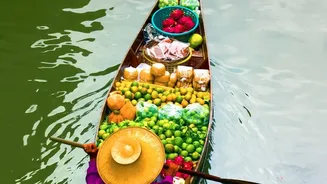
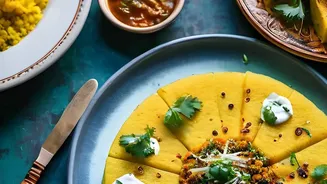
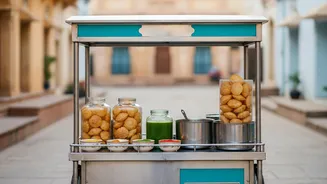
Food has officially moved from a travel necessity to a primary motivator. A recent Skyscanner report revealed that 43% of Indian travellers would happily plan an entire trip around culinary experiences. This goes far beyond just eating at nice restaurants. The modern 'foodie traveller' wants to dive deep. They are signing up for city food walks, joining cooking classes in local homes, and exploring bustling markets to understand the story behind the ingredients. The rise of culinary tourism in India is booming, with travellers venturing across the country to discover diverse regional flavours and cooking techniques. A Booking.com study even found that 88% of Indian travellers say food shapes their choice of destination.
Culture at the Heart of the Holiday
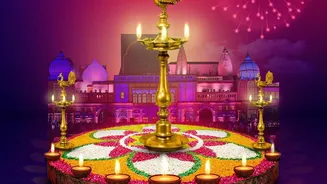
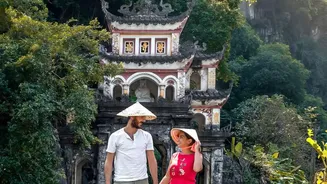
Alongside cuisine, a deep-seated interest in culture is reshaping travel plans. A staggering 84% of Indian travellers report that their interest in culture-led domestic travel has grown in recent years. And 67% now plan their holidays specifically around cultural experiences like visiting heritage sites, attending festivals, or learning traditional crafts. This has led to a surge in festival tourism, with events like Durga Puja in Kolkata and Ganesh Chaturthi in Mumbai becoming major travel draws. Travellers are venturing beyond the typical tourist hubs into Tier II and III towns, eager to discover India's rich tapestry of regional traditions, arts, and community life.
Why the Shift is Happening Now
Several factors are driving this change. The post-pandemic world has left many with a craving for more meaningful connections and authentic experiences. Social media also plays a huge role; platforms like Instagram and YouTube are filled with vibrant images of unique foods and cultural moments, inspiring others to seek them out. Furthermore, this trend is powered by India's younger generation. Gen Z and millennials are more independently making travel decisions and are willing to spend on curated, immersive journeys rather than just saving. They are not just collecting photos, but stories and skills, turning their holidays into a form of personal enrichment.
What This Means for the Future of Travel
This evolution in travel motivations is not just a fleeting trend; it's reshaping the entire tourism industry. Destinations are no longer just selling a place, but an experience. Homestays are booming, and local guides offering specialised heritage walks and craft workshops are in high demand. From exploring the backwaters of Kerala in a canoe to learning pottery in Kutch, the new Indian traveller is actively participating in the destination's story. This shift benefits not only the traveller, who returns with richer memories, but also local communities, creating a more sustainable and responsible model of tourism for the future.