




Choosing Your Safe Haven
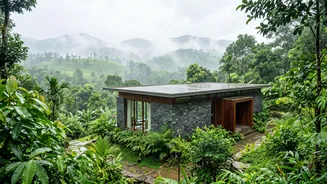
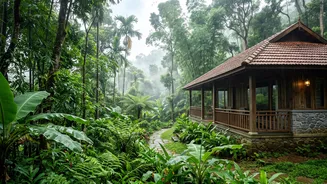
Not all homestays are created equal, especially during the monsoon. Prioritise properties with a proven track record and good reviews that specifically mention monsoon stays. Look for government-approved classifications like Diamond, Gold, or Silver House,
which indicate a baseline of quality and safety. An ideal monsoon homestay is not just about a cozy room; it's about reliable infrastructure. Before booking, confirm the property has proper road access and isn't located in an area prone to landslides or severe waterlogging. Vythiri, Kalpetta, and Sulthan Bathery are generally considered accessible areas. Don't hesitate to call the host directly to ask about their emergency preparedness, power backup, and the condition of the roads leading to their property. A responsive and knowledgeable host is one of your best assets.
Essential Monsoon Packing Guide
Packing correctly can make or break your trip. Your bag should be a blend of comfort and practicality. Quick-dry clothing is a must, as humidity is high and things take longer to dry. Pack at least one reliable waterproof jacket and a windproof umbrella. For footwear, anti-slip waterproof shoes or trekking sandals with good grip are non-negotiable, as trails and paths become very slippery. Also include a waterproof bag or pouch to protect your electronics like phones and power banks. Given the damp environment, a basic first-aid kit with antiseptic, bandages, and any personal medications is crucial. Finally, since you might spend more time indoors, a good book or other entertainment is a wise addition.
Navigating Roads and Risks
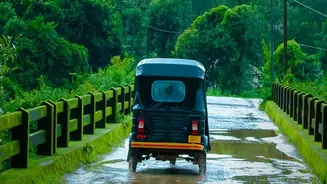
Driving in Wayanad during the monsoon requires extra caution. The ghat roads, while scenic, are prone to landslides, fallen trees, and heavy fog that drastically reduces visibility. If you're driving, plan to travel only during daylight hours and avoid navigating treacherous hairpin bends in heavy rain. Main highways like NH 766 are generally well-maintained, but local roads to remote homestays can be challenging. Always check for travel advisories from the district administration before you start your journey, as certain routes may be restricted during red or orange alerts. If you are not confident driving in such conditions, hiring a local driver who is experienced with the terrain and monsoon risks is a much safer alternative.
Health, Hygiene, and Leeches
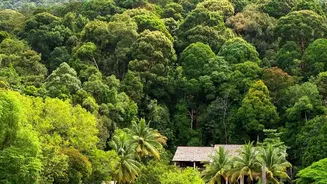
The rainforest is alive during the monsoon, and that includes insects and other critters. Mosquitoes are more prevalent, so carrying and using a good insect repellent is essential. The most infamous residents, however, are leeches, which are common on damp forest floors and trails. While harmless, they can be unsettling. To prevent bites, wear long pants and tuck them into your socks. Carrying a small pouch of salt or a bottle of saltwater spray is a classic local trick; a sprinkle will make them detach immediately. Never pull a leech off, as its mouthparts can remain in the skin. After any trek, check your clothes and shoes carefully. Also be mindful of drinking water; stick to boiled, filtered, or bottled water to avoid any water-borne illnesses.
Embracing the Monsoon Experience
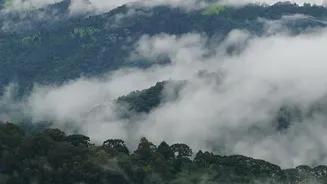
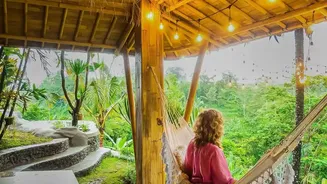
A monsoon trip is less about ticking off a long list of sights and more about soaking in the atmosphere. Many outdoor activities like trekking to the upper reaches of Chembra Peak or visiting certain waterfalls might be restricted for safety. Waterfalls will be powerful and majestic, but it's crucial to avoid getting into the water as currents can be dangerously strong. Instead, embrace the slower pace. Enjoy the view of rain-soaked plantations from your verandah, go for short, guided walks when the rain subsides, and relish the delicious, hot food often prepared by your homestay hosts. The goal is to work with the rain, not against it, by keeping your itinerary flexible and having backup plans for indoor relaxation.