







Your Official Weather Watchdog
The first step to becoming a savvy monsoon planner is knowing where to get reliable information. In India, the primary and most authoritative source is the India Meteorological Department (IMD). The IMD is the government agency responsible for all official
weather forecasting and warnings. [7, 9] They use a vast network of radars, weather stations, and satellites to provide forecasts that are crucial for everything from agriculture to public safety. While international weather services are popular, the IMD's forecasts are specifically tailored for the Indian subcontinent, making them an indispensable resource during the unpredictable rainy season. [3]
Decoding the Colour-Coded Alerts
The IMD simplifies its warnings using a colour-coded system, designed to be easily understood by everyone. [4, 6] Knowing what each colour means is key to planning your activities. Green (No Warning) means all is clear; expect normal weather or light showers, perfect for most outdoor plans. [6] Yellow (Be Aware) signals the possibility of moderate rainfall that could disrupt plans or cause localised flooding in low-lying areas. [4] Orange (Be Prepared) indicates a forecast of heavy rainfall, with a heightened risk of disruptions to transport and power. [4, 6] This is a good time to favour indoor activities. Red (Take Action) is the most severe alert, warning of extremely heavy rainfall that poses a significant threat to life and property. [4] During a red alert, it's safest to stay home and avoid all non-essential travel. [6]
The Best Apps for Your Pocket
For on-the-go updates, several mobile apps provide real-time weather information. The IMD's official app, 'Mausam', is a must-have. [3, 8] It provides current weather, forecasts, radar images, and district-level warnings directly from the source. [18] Another reliable India-specific app is Skymet Weather, which uses its own network of weather stations. [3] For those who prefer global brands with strong performance in India, AccuWeather and The Weather Channel are excellent choices. [3] AccuWeather is known for its MinuteCast feature, which predicts minute-by-minute precipitation. [5] The Weather Channel, which powers the default weather app on iPhones, also provides reliable real-time alerts. [3]
From Forecast to Fun: Practical Planning
Understanding the forecast is only half the battle; the next step is using it to plan effectively. A yellow alert weekend might be perfect for a drive to a nearby scenic spot or a visit to a museum, keeping an umbrella handy. [17] An orange alert is your cue to explore indoor options: catch a movie, visit a new cafe, host a board game session at home, or finally tackle that home project you've been putting off. For red alert days, safety comes first. Consider it an opportunity for a cozy day in with a good book, a movie marathon, and some hot pakoras. The key is to have a flexible mindset and a list of both indoor and outdoor activities you're excited about. [11]
Reading Between the Raindrops
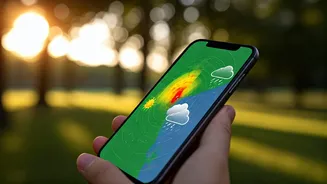
It's also helpful to understand what a forecast's numbers really mean. A '60% chance of rain' doesn't mean it will rain for 60% of the day. [16] Rather, it means there's a 60% probability that you'll see some measurable precipitation at your location. Also, get familiar with weather radar images, which are available on apps like Mausam. [19] The colours on a radar map show the intensity of the rain—greens are light, while yellows and reds indicate heavier downpours. [13] Watching the movement of these colour patches can give you a very good idea of when the rain will start and stop in your specific area, allowing you to time your outings perfectly.