




What Exactly is a Hydrogen Train?
A hydrogen train is essentially an electric train that produces its own power on board. Instead of drawing electricity from overhead lines, these trains use fuel cells. In these cells, hydrogen stored in tanks on the train reacts with oxygen taken from the air.
This chemical reaction generates electricity to power the motors, with the only byproduct being water vapour, making it a zero-emission mode of transport at the point of use. This technology allows railways to replace polluting diesel engines on routes where installing electric cables is difficult or undesirable, such as fragile mountain ecosystems. The electricity produced can also be stored in batteries to provide extra power when needed for acceleration or climbing steep gradients.
Pioneering Green Journeys on Heritage Lines
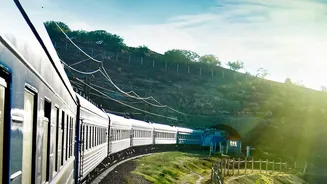
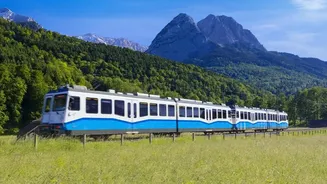
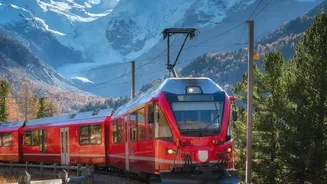
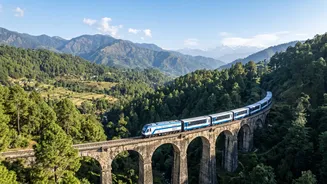
Indian Railways has launched the ambitious 'Hydrogen for Heritage' project to deploy 35 of these advanced trains on its most cherished and ecologically sensitive routes. The Kalka-Shimla railway, a UNESCO World Heritage site, is a prime candidate for this upgrade, along with other iconic narrow-gauge lines like the Darjeeling Himalayan Railway and the Nilgiri Mountain Railway. The rationale is twofold: to preserve the pristine natural beauty of these tourist hotspots by eliminating diesel fumes and to avoid marring the landscape with overhead electric wires. Following a successful pilot launch on the Jind-Sonipat section in July 2026, the experience gained is expected to accelerate deployment on these heritage circuits.
A Quieter, Smoother Ride Through Nature
For travellers, the shift from diesel to hydrogen promises a significantly upgraded experience. One of the most immediate benefits is the reduction in noise and vibration. Hydrogen trains, powered by electric motors, run far more quietly than their diesel counterparts. This creates a more serene and immersive journey, allowing passengers to fully appreciate the sounds of nature and the tranquil atmosphere of the mountains. Imagine gliding silently through the Himalayan foothills, with only the gentle hum of the electric motor and the click-clack of the wheels on the track. The smoother acceleration and braking provided by electric traction also contribute to a more comfortable ride.
Preserving Beauty with Zero Emissions
The most profound upgrade offered by hydrogen locomotives is environmental. The current diesel engines used on many heritage routes emit smoke and pollutants that degrade air quality and tarnish the natural scenery. Hydrogen trains, by contrast, produce zero tailpipe emissions. This initiative is a key part of Indian Railways' larger goal to become a Net Zero Carbon Emitter by 2030. By retrofitting existing coaches and developing new hydrogen-powered rolling stock, the project aims to create a truly sustainable tourism model. Travellers can take pride in knowing their journey is not contributing to pollution, helping to protect the delicate ecosystems of these world-renowned destinations for future generations.
The Road Ahead for Hydrogen Rail
While the promise is immense, the transition is not without challenges. The cost of producing 'green' hydrogen (using renewable energy) and developing the necessary refuelling infrastructure is significant. The initial cost of a hydrogen train is higher than a diesel one, though it's expected to decrease as the technology becomes more widespread. Indian Railways has already set up a large hydrogen storage and refuelling facility in Jind to support the first phase of operations. This project places India among a select group of nations, including Germany and Japan, that are pioneering hydrogen rail technology. It marks a strategic step towards energy independence and a sustainable future for public transport.