


More Than Just Pots and Bricks
When you think of terracotta, or ‘baked earth’, you might picture rustic pots, traditional roof tiles, or ancient temple facades. For centuries, this natural clay material has been a cornerstone of Indian architecture and craft. But today, designers and homeowners
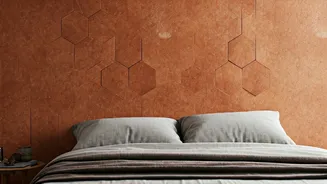
are rediscovering terracotta not just for its nostalgic charm, but for its potential as a sophisticated, modern design element. Forget the simple, rustic connotations. The new wave of terracotta comes in the form of meticulously crafted, three-dimensional wall panels. These panels offer intricate patterns, geometric shapes, and undulating textures that play with light and shadow, turning a simple wall into a work of art. It’s a beautiful marriage of ancient material and contemporary design sensibility, offering a tactile richness that paint or wallpaper simply cannot replicate.
Designing Your Earthy Retreat
The bedroom is our personal sanctuary, a place for rest and rejuvenation. This makes it the perfect canvas for the grounding energy of terracotta. The most popular application is creating an accent wall behind the headboard. A wall of textured terracotta panels can anchor the room, providing a stunning, warm backdrop that feels both grand and intimate. The natural, earthy tones—ranging from pale ochre to deep rust—are inherently calming and connect us to the natural world, promoting a sense of peace. Unlike a flat-coloured wall, the texture adds depth and character, making the room feel more dynamic and layered even with a minimalist decor scheme. The play of light on the textured surface changes throughout the day, creating a subtle, living quality that enhances the room’s atmosphere from sunrise to sunset.
The Art of Pairing
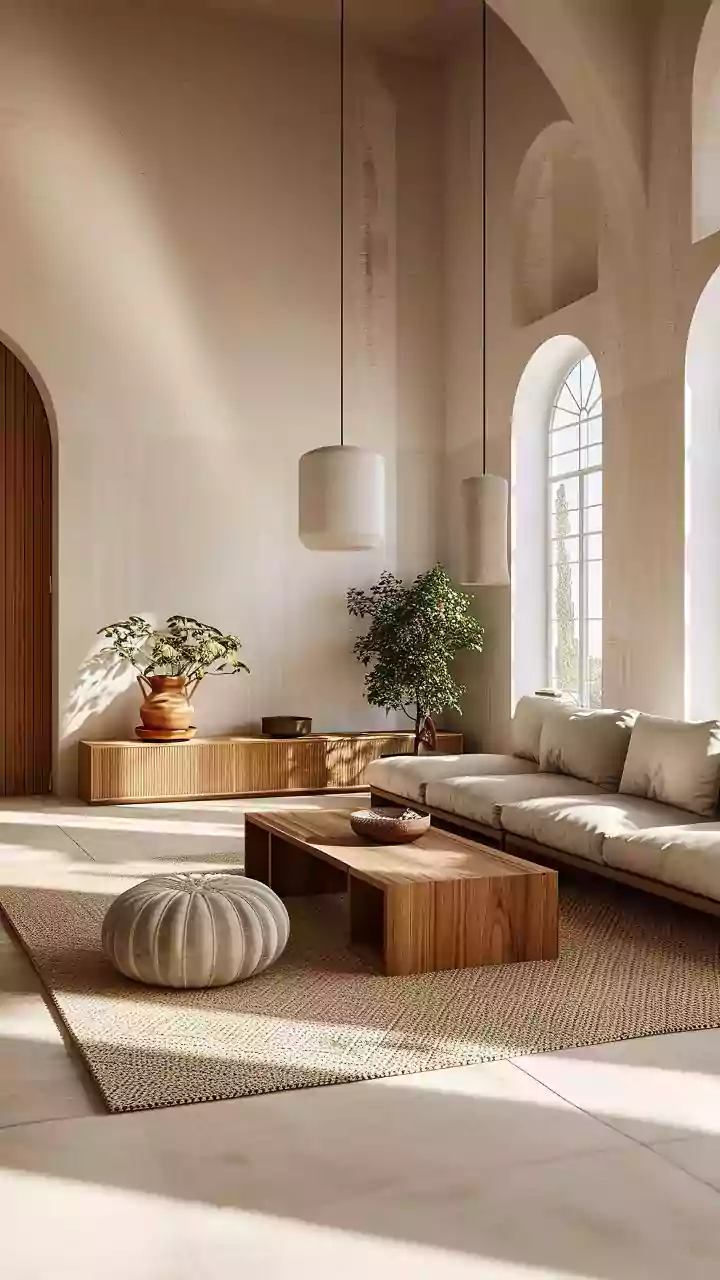
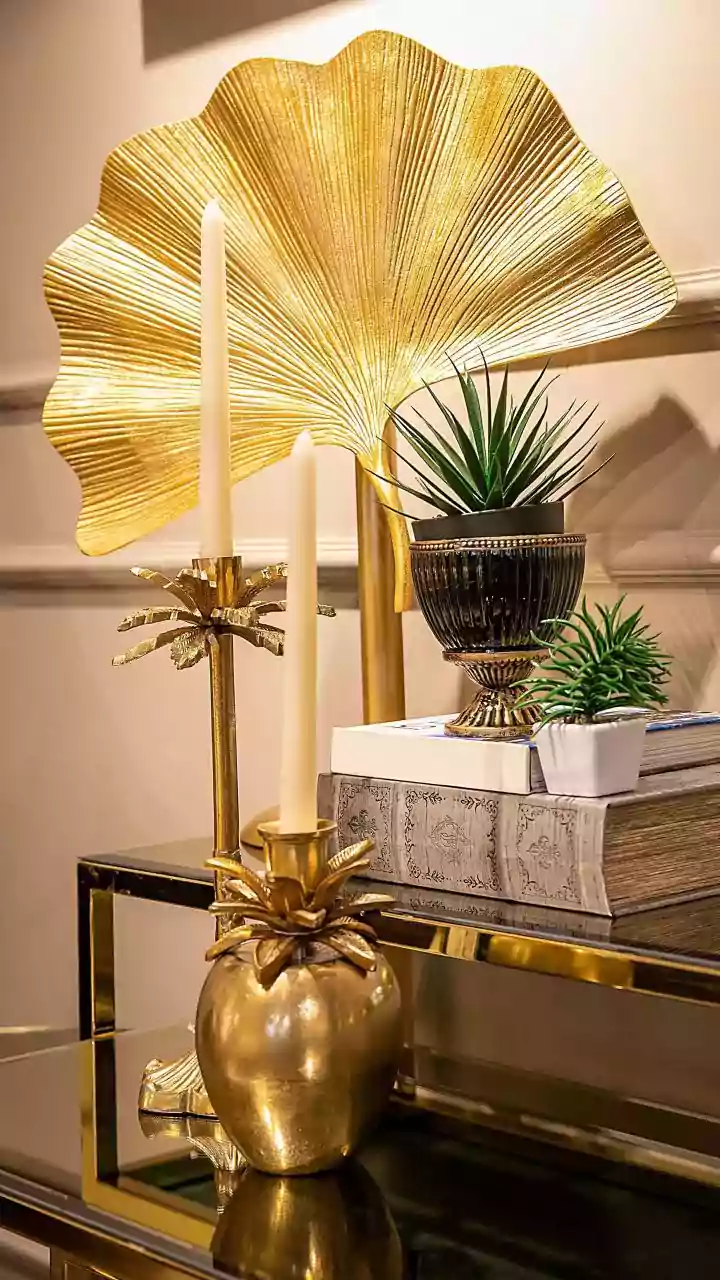
A terracotta accent wall is a strong statement, but it’s surprisingly versatile. The key is to balance its earthy warmth with complementary colours and materials. For a serene, contemporary look, pair the terracotta with a palette of creamy whites, soft greys, and muted beige. This allows the texture of the panels to be the star of the show. To create a more dramatic, moody space, consider pairing it with deep forest greens, inky blues, or charcoal grey. These colours create a rich contrast that makes the terracotta pop. In terms of materials, think natural and tactile. Light-coloured woods like ash or oak, woven elements like rattan or jute in furniture and rugs, and soft textiles like linen and cotton for bedding all work beautifully. For a touch of ‘premium’ polish, add metallic accents. The warm gleam of brushed brass or antique gold in light fixtures and hardware provides a perfect counterpoint to the matte, earthy texture of the clay.
Beyond Just Looks
The appeal of terracotta panels goes far beyond their aesthetic qualities. As a natural, porous material, terracotta has several practical benefits. It is an excellent thermal insulator, helping to keep rooms cooler in the summer and warmer in the winter—a significant advantage in India’s varied climate. Its mass and irregular surface also give it sound-absorbing properties, which can help dampen echoes and create a quieter, more peaceful bedroom environment. Furthermore, terracotta is a sustainable and non-toxic material. It’s made from natural clay, free from the volatile organic compounds (VOCs) found in some paints and synthetic materials, contributing to better indoor air quality. Choosing terracotta is not just a design decision; it’s a choice for a healthier, more comfortable, and more sustainable living space.