






The Gardener's Most Common Mistake
Every plant lover has been there: you see a pot with soil that looks a little dry on top, and you reach for the watering can just to be safe. It’s an act of love, but it’s often misguided. Overwatering is the most common reason container plants fail.
Unlike plants in the ground, potted plants have limited space and drainage. When you water too frequently, the soil becomes waterlogged, pushing out the oxygen that roots need to breathe and absorb nutrients. This can quickly lead to root rot, a fungal disease that causes roots to turn brown and mushy, ultimately killing the plant from below. Symptoms like yellowing, droopy leaves can be misleading, as they can signal both under and overwatering, confusing even experienced gardeners.
Beyond the Finger Test: Introducing Smart Probes
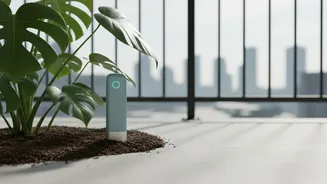
The traditional method for checking soil moisture is the ‘finger test’—sticking your finger an inch or two into the soil to feel for dampness. While helpful, it’s imprecise and doesn’t tell you what’s happening deeper in the pot where the main root ball is. This is where technology offers a smarter solution. While basic moisture meters have been around for years, a new category of advanced soil sensors is emerging, some of which are being described as 'microbial' probes. These devices go beyond simply measuring wetness or dryness. They offer a more holistic look at the soil's health by analysing its environment. This includes factors that are influenced by the soil’s living ecosystem—the community of beneficial bacteria and fungi known as the microbiome.
How 'Microbial' Probes Work
So, what makes these probes different? Instead of just measuring moisture, they often gauge the soil’s electrical conductivity or other metabolic signals. A healthy, living soil is full of microbial activity. These tiny organisms are constantly breaking down organic matter, cycling nutrients, and interacting with plant roots. This entire ecosystem requires a balanced environment of water, oxygen, and nutrients to function. When you overwater, you disrupt this balance by creating anaerobic (low-oxygen) conditions that can harm beneficial microbes and encourage pathogens. Advanced probes detect the changes in the soil's properties that reflect the health of this microbiome. By giving you a reading on the overall soil environment, they help you understand not just if the soil is wet, but if it's a healthy, active environment for your plant's roots.
Making Smarter Watering Decisions
The ultimate goal of these probes is to help you move from a rigid watering schedule to watering based on your plant's actual needs. Instead of watering every Tuesday, you water when the probe indicates that the soil environment is becoming less optimal. Some advanced systems connect to a smartphone app, tracking data over time and showing you trends in your soil’s condition. This data-driven approach removes emotion and guesswork. It can show you that even if the topsoil appears dry, the root zone might still have plenty of available moisture, preventing you from adding more water and risking root rot. This allows the soil to dry out appropriately between waterings, promoting stronger roots and a healthier microbial ecosystem that supports the plant.
Getting Started with a Soil Probe
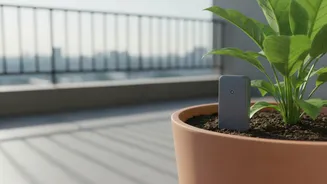
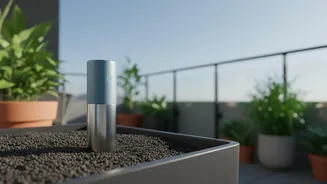
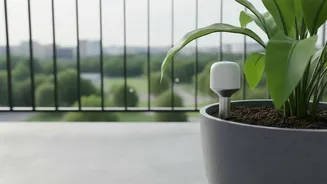
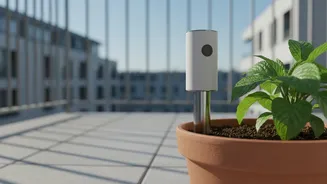
For the average balcony gardener, you don’t necessarily need a lab-grade scientific instrument. Consumer-friendly soil probes are becoming more widely available and affordable. When choosing one, look for a model designed for potted plants. They are typically made of stainless steel to avoid contaminating the soil. Using one is simple: insert the probe into the soil, making sure it reaches the middle of the root zone, not just the top or bottom layer. Avoid placing it right against the side of the pot. Take readings from a couple of different spots to get an average. Over time, you'll learn to interpret the readings for each of your plants, gaining a deeper understanding of their unique needs and finally putting an end to the cycle of 'death by overwatering'.