
What is Nordic Walking?
Originally developed in Finland as a summer training method for cross-country skiers, Nordic walking is a specific fitness technique that uses specially designed poles to engage the upper body while walking. Unlike regular walking which primarily uses muscles
below the waist, adding poles engages your arms, shoulders, chest, and core. This transforms your walk into a more comprehensive workout, with research showing it activates 80% to 90% of your body's muscles, compared to about 50% with standard walking. The technique involves planting the poles at an angle behind you to propel yourself forward, mimicking the motion of cross-country skiing.
The Full-Body Benefits
The extra muscle engagement translates into significant health benefits. Studies consistently show that Nordic walking burns substantially more calories than regular walking—with estimates ranging from 18% to as high as 67% more. Yet, for many, it doesn't feel significantly harder, a phenomenon known as the "perceived exertion gap." Beyond calorie burn, it's a fantastic cardiovascular workout that improves heart health and endurance. The use of poles also offers greater stability, making it an excellent choice for individuals with balance concerns, and can reduce stress to lower body joints like knees and hips, especially on declines.
Why is it Gaining Popularity?
While it has been around for decades, Nordic walking is seeing a modern resurgence. This shift is driven by a growing desire for accessible, outdoor fitness that doesn't require a gym membership. It's a low-cost, low-impact activity suitable for all ages and fitness levels, from young professionals to active retirees. The increased focus on overall wellness and gentle, sustainable exercise has made it an attractive option. Plus, it’s social. Nordic walking clubs are appearing in many communities, offering guided walks, social events, and even nighttime sessions with headlamps for a different kind of experience.
Choosing the Right Poles
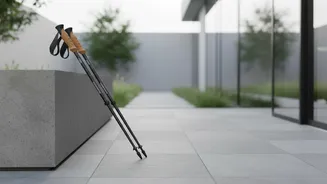
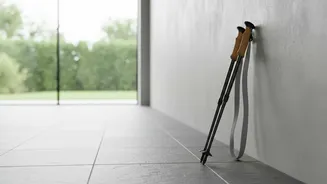
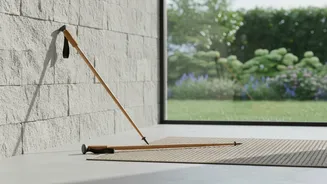
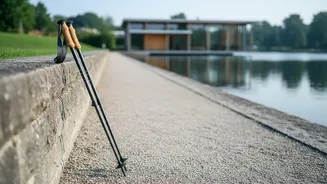
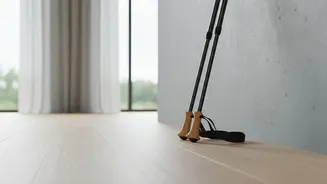
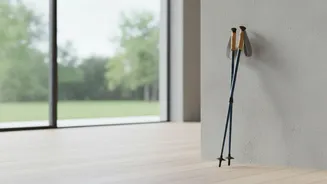
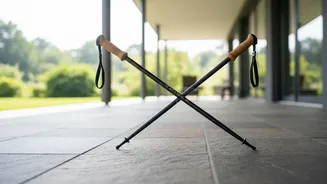
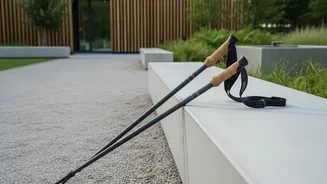
The most crucial piece of equipment is, unsurprisingly, the poles—and not just any poles will do. Nordic walking poles are distinct from trekking poles used for hiking. The key difference is the strap system. Nordic poles feature a glove-like strap that allows you to push off and propel yourself forward correctly, which is essential for proper technique. When buying, look for lightweight poles of the correct height. A common way to estimate the right size is to multiply your height in centimetres by 0.68. Many experts recommend fixed-length poles for their lightness and stability, though adjustable poles offer flexibility if sharing with others. Expect to invest in a quality pair, as they are a long-term fitness tool.
Mastering the Basic Technique
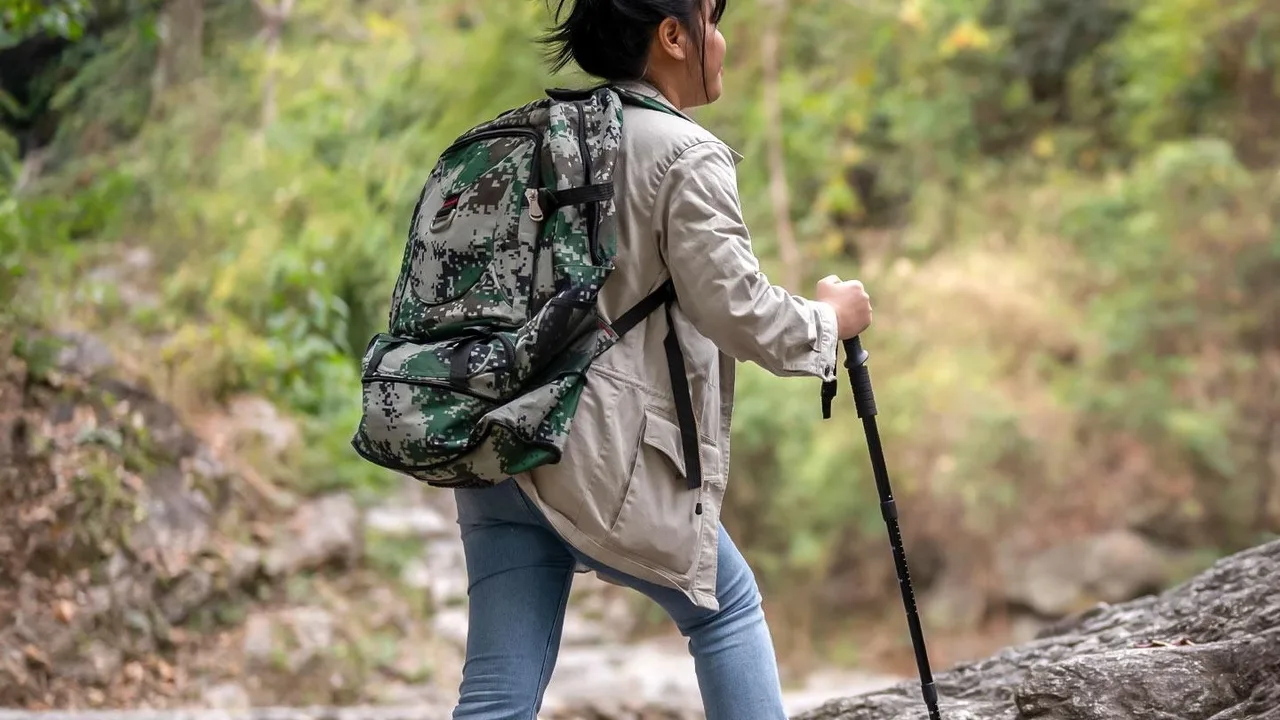
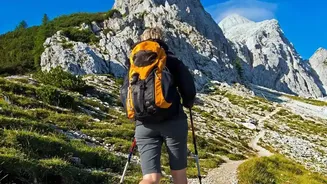
Getting the rhythm of Nordic walking is key to unlocking its benefits. The core movement is based on your natural walking motion: as your right leg swings forward, your left arm comes forward, and vice versa. With poles, you plant the tip of the pole on the ground behind your body as your opposite foot lands. The arm should be relatively straight as you plant the pole, and you should push firmly through the strap to propel yourself forward. As the arm swings back, you open your hand to release the grip slightly, creating a smooth, flowing motion. Keeping an upright posture and looking ahead, not down at your feet, will also improve your form and efficiency.