








A Tale of Two Economies
The Indian economy presents a divided picture as the 2026 festive season kicks off. On one hand, urban consumers appear ready to spend, with surveys indicating strong buying intent for apparel, electronics, and home goods. Automakers have ramped up production,
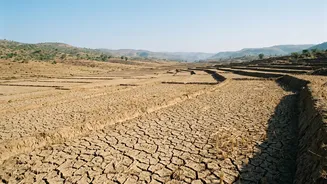
with passenger vehicle sales surging in September in anticipation of robust demand. On the other hand, a shadow looms over rural India, which accounts for a massive portion of the nation's population and consumption. The crucial southwest monsoon has ended with a significant deficit, marking it as the weakest since 2015. This has raised serious concerns about farm incomes and, consequently, rural spending power.
The Monsoon's Long Shadow
For much of India, the monsoon is the economy. A good monsoon leads to bountiful harvests, higher incomes for farmers, and a surge in spending that ripples through the entire country. A poor one has the opposite effect. The 2026 monsoon was not just deficient but also unevenly distributed, hitting southern and some northern states particularly hard. This has impacted the Kharif (summer crop) sowing and depleted reservoir levels, which are critical for the upcoming Rabi (winter crop) season. Rating agency ICRA has already trimmed its agriculture growth forecast for the fiscal year, warning that weaker farm incomes could dampen rural demand in the second half of the year.
Which Sectors Are Most Exposed?
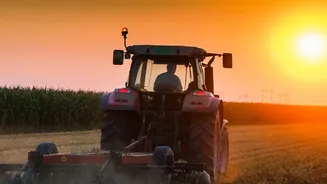
Certain product categories are highly sensitive to the fortunes of the rural economy. Tractors and two-wheelers are bellwethers of rural sentiment. In September 2026, major tractor manufacturers like Mahindra & Mahindra and Escorts Kubota reported significant drops in sales, directly citing the patchy monsoon. The demand for entry-level motorcycles has also shown signs of stress. Fast-moving consumer goods (FMCG) are another key area to watch. While the overall FMCG market showed recovery in the quarter ending September 2026, this was largely powered by rural markets that had a strong start to the quarter, though some reports noted a volume decline. Companies that sell products like affordable smartphones, consumer durables, and gold also rely heavily on festive purchases from rural and semi-urban areas.
The Impact on Prices and Discounts
The strength of rural demand creates a tug-of-war on prices. When demand is strong, companies can sell their products with minimal discounts, protecting their profit margins. When demand is weak, they are forced to offer steep discounts and promotions to clear inventory, especially during the high-stakes festive period. This year, the dynamic is complex. While overall festive spending is projected to grow significantly, this growth appears to be driven by more households buying, but with smaller average basket sizes. For consumers, this could mean a mixed bag. In categories where urban demand is strong, like SUVs and premium electronics, prices may hold firm. But for goods heavily dependent on rural buyers, such as entry-level two-wheelers and certain consumer goods, we may see more aggressive discounts as companies compete for a share of a more cautious rural wallet. At the same time, the weak monsoon poses an upside risk to food inflation, which could further squeeze household budgets across the board and temper non-essential spending.