
Croatia's glittering coastline is no secret, but its fame comes with a price: soaring costs and overwhelming crowds. For savvy travellers, the real magic lies beyond the hotspots. Here are five alternatives that deliver more charm for less.
Instead of Dubrovnik, Try Šibenik
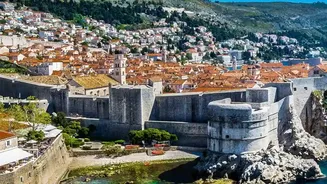
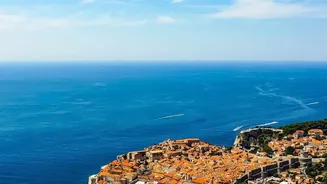
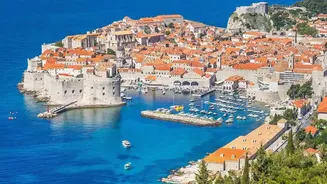
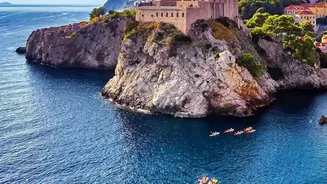
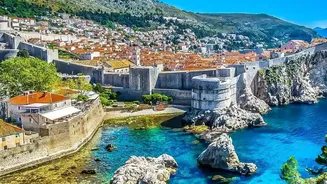
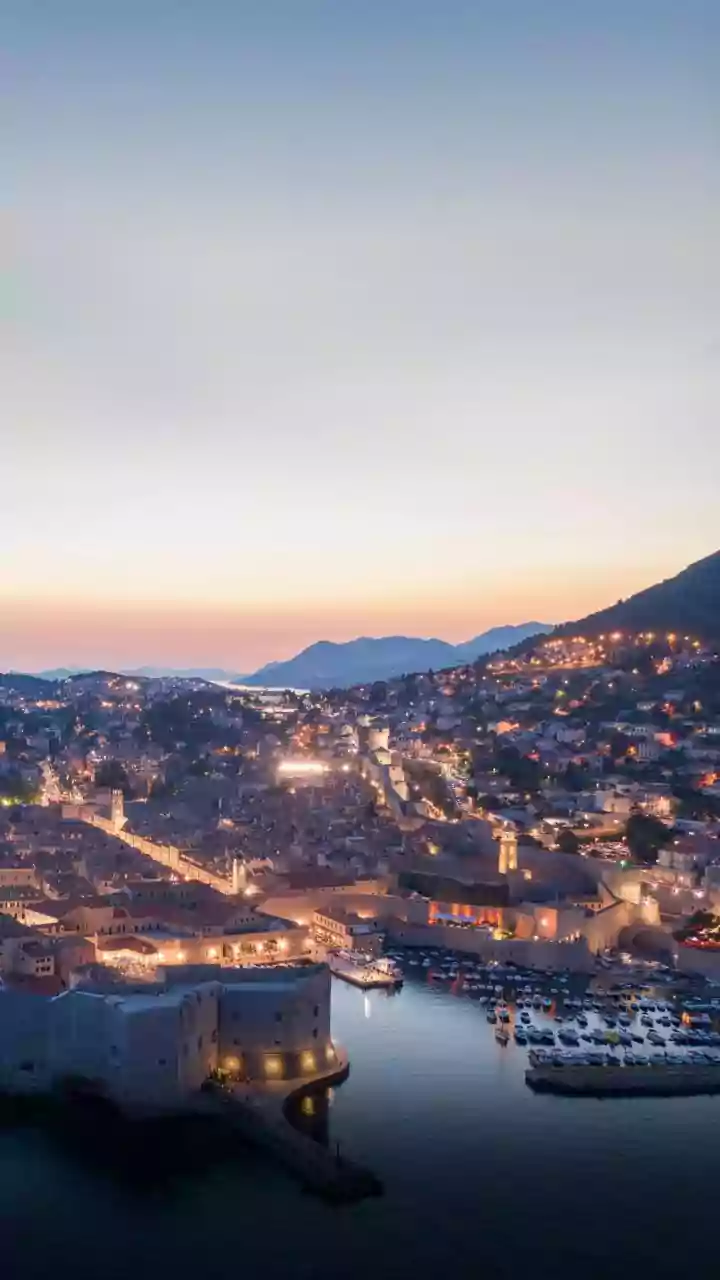
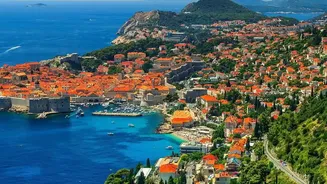
Dubrovnik's
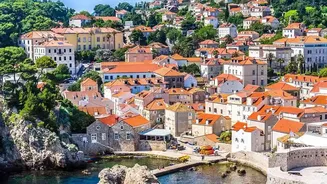
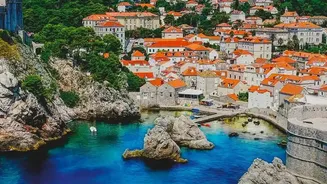
ancient city walls are iconic, but navigating them in peak season feels more like a crowded queue than a historic journey. The 'Pearl of the Adriatic' often groans under the weight of tourism, leading to inflated prices and a less-than-relaxing atmosphere. For a more authentic and affordable taste of Dalmatian city life, head north to Šibenik. This city boasts not one, but two UNESCO World Heritage sites: the stunning Cathedral of St. James and St. Nicholas' Fortress. Its winding stone alleys feel lived-in rather than like a museum, and accommodation can be significantly cheaper than in its famous southern counterpart. You'll find a beautiful medieval cityscape, a lively local market, and a gateway to the equally stunning Krka National Park, all without the overwhelming crowds.
Instead of Hvar Town, Try Vis or Korčula Island
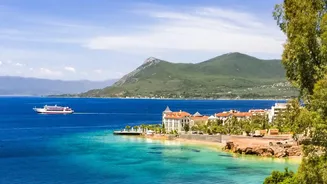
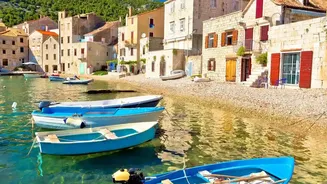
Hvar Town has a reputation as a glamorous party destination, with prices to match. If your idea of an island getaway involves more peace than party, there are better options. The island of Vis offers a compelling alternative. Closed to foreigners until 1989 due to its use as a military base, Vis retains a rugged, undeveloped charm that Hvar lost long ago. It's an island for those who prioritize authenticity and unspoiled nature, from the stunning Stiniva Cove to the quiet fishing village of Komiža. Another excellent choice is Korčula, often called 'Little Dubrovnik' for its beautiful walled old town. It offers a fantastic balance of history, culture, and beautiful beaches, with a more relaxed and affordable atmosphere than Hvar. It is also a haven for wine lovers, known for its local Grk and Pošip varieties.
Instead of Plitvice Lakes, Try Krka National Park
Plitvice Lakes National Park is a natural wonder of cascading waterfalls and turquoise pools, but its fame is also its downfall. High entrance fees of over €40 in peak season and shoulder-to-shoulder crowds on the wooden walkways can detract from the natural beauty. For a similar, yet more accessible waterfall experience, Krka National Park is a fantastic alternative. While swimming is no longer permitted directly under the main falls of Skradinski Buk, the park offers a wonderful network of paths and viewpoints. It is also an easier day trip from coastal cities like Šibenik and Split. You get the same magical experience of water winding through a lush landscape but often with smaller crowds and more flexibility to combine your visit with a stop in the charming nearby town of Skradin.
Instead of Split, Try Trogir or Zadar
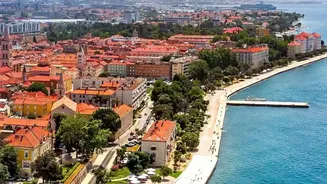
Split's main draw, Diocletian's Palace, is a living, breathing part of the city. But this also means it can be incredibly congested, with the ancient corridors packed with tour groups. For a dose of Roman history without the crush, the tiny island-town of Trogir is just a short drive away. A UNESCO World Heritage site in its own right, Trogir is packed with Renaissance and Baroque architecture and offers a more relaxed, slow-paced coastal vibe. Further north, Zadar provides another fantastic alternative. It’s a city with a rich history, from Roman ruins to medieval churches, but feels more like a real, working city than a tourist resort. Zadar is famous for its unique modern attractions, the Sea Organ and the Greeting to the Sun, which create a magical waterfront experience at sunset. It's an affordable base with great food and easy access to several national parks.
Instead of Rovinj, Try Inland Istrian Towns
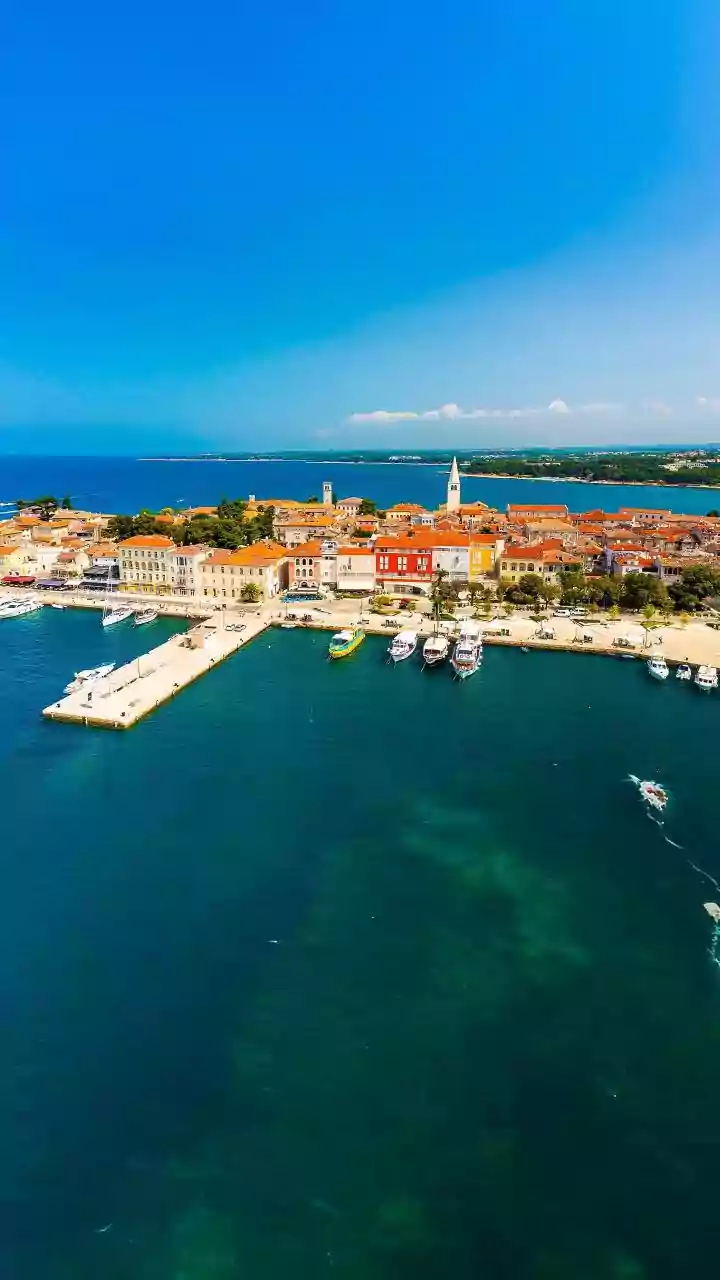
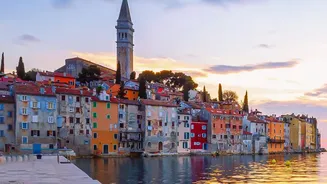
The picturesque fishing port of Rovinj is the star of the Istrian peninsula, but its popularity has turned its charming streets into a hub for overpriced souvenir shops and high accommodation costs. To find the true heart of Istria, venture inland. Here, hilltop towns offer the same cobbled streets and Venetian architecture but with a fraction of the tourists and a wealth of authenticity. Consider visiting Bale, a bilingual Croatian-Italian town with a 15th-century castle, or Grožnjan, a haven for artists with galleries and studios tucked into ancient stone houses. For a different vibe, explore Motovun, a medieval marvel famous for the truffles found in its surrounding forests, or even the nearly abandoned, hauntingly beautiful town of Završje.