





The Reign of Grey and Gleam
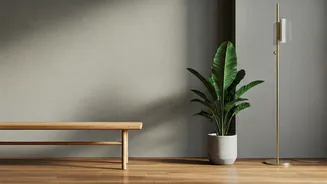
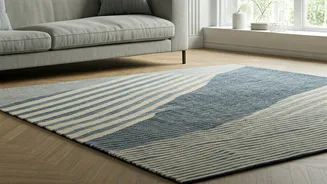
Remember the 2010s? It was the decade of the cool-toned interior. The dominant aesthetic was a sleek, almost severe, form of minimalism. Think vast expanses of light grey or greige paint, polished concrete floors, and furniture with sharp, clean lines.
Kitchens were often glossy white or dramatic black, with stainless steel appliances and stark, handle-less cabinetry. The goal was an uncluttered, gallery-like space that felt modern, sophisticated, and impeccably tidy. This style, heavily influenced by Scandinavian and industrial design, was a reaction to the fussier styles that came before it. It promised a sense of order and calm in a chaotic world. For a while, it worked. A cool, impersonal backdrop made for great photos and felt refreshingly simple. But living in a showroom and living in a home are two different things.
The Warm Welcome of Earth Tones
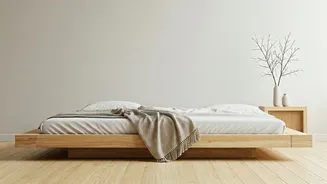
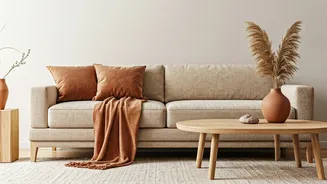
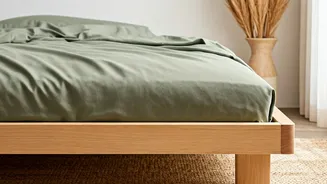
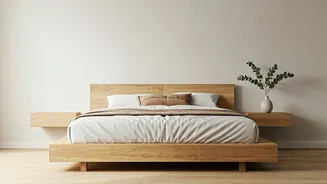
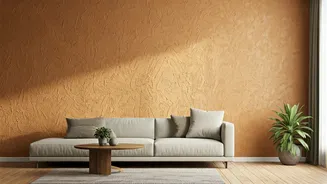
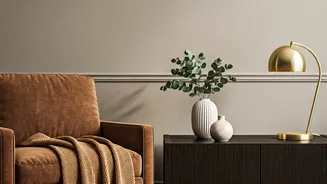
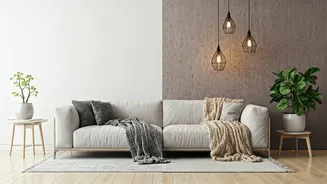
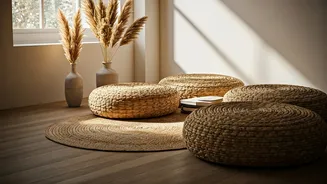
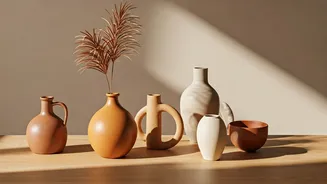
Now, walk into a newly decorated home or browse any design feed, and you’ll feel a distinct shift. The chill is gone, replaced by an enveloping warmth. This is the era of earthy comfort. Colour palettes have migrated from cool greys to warm neutrals like beige, taupe, terracotta, and cream. Accent colours are drawn from nature: deep olive greens, rusty reds, and serene sky blues. Materials are no longer just smooth and polished; they are tactile and natural. Unfinished wood, rattan, wicker, jute, linen, and bouclé fabric are everywhere. These materials add texture and visual interest, making a room feel lived-in and inviting. The focus is less on stark perfection and more on creating a layered, personal, and comfortable sanctuary. It’s a style that prioritises feeling good over just looking good.
Why We Crave Cosiness Now
So, what’s behind this mass move towards cosiness? The answer is rooted in our collective experience. The pandemic forced us to spend unprecedented amounts of time at home, transforming our living spaces from mere backdrops to the centre of our entire world. We started demanding more from them. A cold, minimalist space that felt chic before suddenly felt sterile and uninviting when we were confined to it 24/7. We needed our homes to be nurturing, to provide comfort and security. This psychological need quickly translated into a design trend. Furthermore, in an age of digital saturation, our eyes and minds are tired of slick screens and artificial worlds. The appeal of natural materials—the grain of wood, the weave of a linen cushion—is that they are real, tangible, and imperfect. This trend, often called 'biophilic design,' is about strengthening our connection to the natural world from within our homes, which has been shown to reduce stress and improve well-being.
How to Embrace the Earthy Vibe
Adopting this trend doesn’t require a complete overhaul. It’s about making intentional additions that add warmth and personality. Start small. Swap out cool, blue-toned light bulbs for warmer, yellow-toned ones to instantly change the mood of a room. Introduce textiles in natural fibres; a jute rug, some linen curtains, or a chunky wool throw can make a huge difference. Incorporate natural wood, whether it's a new piece of furniture, a vintage side table, or simple decorative objects like a wooden bowl. And don't forget greenery. Houseplants are the ultimate expression of this trend, literally bringing life and nature indoors. The key is to layer these elements. Instead of a single, statement piece, the earthy look is built through a collection of meaningful, textured items.
Goodbye Perfection, Hello Personality
Perhaps the most refreshing aspect of the shift to earthy comfort is the move away from perfection. The all-grey minimalist aesthetic often came with an unspoken pressure to keep things pristine. One object out of place could ruin the entire look. The earthy, layered style is far more forgiving. It celebrates the beauty of imperfection—the patina on a vintage piece, the wrinkles in a linen throw, the unique pattern in a slab of stone. It’s a style that evolves with you, allowing you to add pieces over time that tell your story. It’s less about curating a perfect image and more about creating a genuine reflection of who you are and what makes you feel at ease.