




The Monsoon's Parting Shot
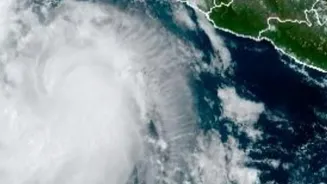
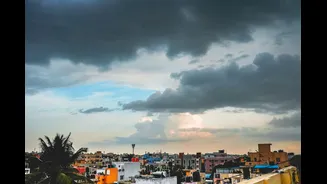
The primary culprit behind this phenomenon is the retreating southwest monsoon. After months of blanketing the subcontinent, the monsoon system begins to withdraw around September and October. As it pulls back, the cloud cover that shielded the city from
the sun's direct rays dissipates. This leads to clear skies and a sudden surge in solar radiation, causing ground temperatures to rise sharply. However, the land and the surrounding atmosphere are still saturated with moisture left over from the rainy season. This combination of intense sun and abundant moisture sets the stage for the oppressive weather to follow.
Humidity: The Real Enemy
While temperatures in October can climb, it's the humidity that makes the heat feel unbearable. Humidity is the amount of water vapour in the air. Our bodies cool down primarily through the evaporation of sweat from our skin. But when the air is already laden with moisture—as it is in Mumbai post-monsoon—this evaporation process slows down dramatically. Sweat clings to the skin instead of disappearing, making it impossible for the body to cool itself effectively. This is why the 'feels like' temperature is often several degrees higher than the actual reading, and why a 35°C day in October can feel more draining than a 40°C day in the dry summer months.
A Tale of Two Winds
Changing wind patterns also play a critical role. During the monsoon, strong south-westerly winds bring moisture from the Arabian Sea. As the monsoon retreats, these winds weaken. Mumbai's saving grace, the cooling afternoon sea breeze, can become delayed, weaker, or suppressed entirely by different wind patterns, such as northeasterly winds blowing from the hotter landmass. Sometimes, a high-pressure system, known as an anti-cyclone, can settle over the region, causing air to sink and heat up, further blocking the cool sea breeze and trapping warm, humid air over the city.
The Urban Heat Island Effect
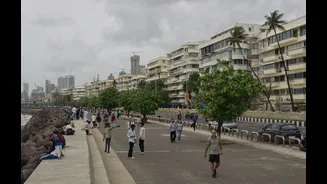
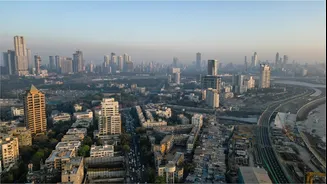
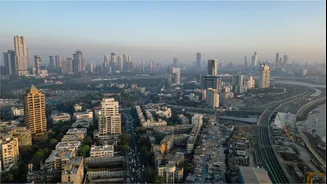
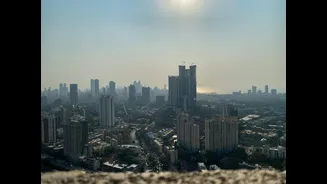
Mumbai's very structure as a dense metropolis makes matters worse. Concrete buildings, asphalt roads, and a lack of green cover absorb and retain heat far more than natural landscapes. This creates an 'urban heat island' effect, where the city is significantly warmer than surrounding rural areas. Throughout the day, these surfaces soak up solar radiation and then slowly release it at night, preventing the city from cooling down effectively after sunset. This retained heat adds another layer of warmth to the already oppressive, humid conditions.
What It Does to The Body
This combination of high heat and humidity is not just uncomfortable; it's a significant health risk. When your body can't cool itself, it puts immense strain on the cardiovascular system. The heart has to work harder, pumping more blood to the skin to try and dissipate heat. This can lead to a range of heat-related illnesses, from muscle cramps and fatigue to more severe conditions like heat exhaustion and heatstroke. Symptoms like dizziness, nausea, and a rapid pulse are warning signs that the body is struggling to cope. For the elderly, young children, and those with pre-existing health conditions, these risks are even more pronounced.