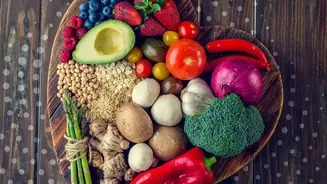







The Murky Definition of 'Natural'
In the world of food marketing, 'natural' is one of the most powerful yet loosely defined terms. While the Food Safety and Standards Authority of India (FSSAI) has guidelines, they are not as strict as many consumers assume. According to FSSAI regulations,
a single-ingredient food can be called 'natural' if it comes from a plant, animal, or mineral source and has only undergone minimal processing like washing, peeling, or drying, without altering its basic nature. However, this leaves a lot of grey area. The term 'natural' on a label does not automatically mean the product is free from pesticides or that it was grown in a sustainable way. A product with 'natural' ingredients can still be high in sugar or salt. For multi-ingredient products, the rules are even more flexible, allowing a 'made from natural ingredients' claim if all components meet the criteria. This is a crucial distinction that brands often leverage.
Marketing vs. Regulation
The primary function of a 'natural' claim on many products is marketing, not public health information. Brands know that shoppers are looking for healthier options and use words like 'natural', 'farm-fresh', and 'pure' to create a halo of wellness around a product. Unfortunately, these terms are often legally meaningless and unregulated, serving more as decoration than a guarantee of quality. FSSAI and other consumer protection bodies do act against misleading claims when they are outright false, but the ambiguity of a term like 'natural' makes it difficult to police. This places the responsibility squarely on consumers to look beyond the appealing words on the front of the package.
The 'Organic' Difference: A Regulated Term
Unlike 'natural', the term 'organic' is strictly regulated in India. For a product to be legally sold as organic, it must be certified by a government-approved body. Consumers should look for the 'Jaivik Bharat' logo, a green circular mark issued by FSSAI, which serves as a unified identity for certified organic products. This certification ensures that the product was grown without synthetic pesticides, GMOs, or artificial fertilisers, and adheres to strict production standards. The certification process is documented and audited, providing a level of accountability that the 'natural' claim simply doesn't have. A product claiming to be organic without the Jaivik Bharat logo is making an unverified claim.
How to Be a Smarter Shopper
The most powerful tool you have as a consumer is the ability to ignore the front-of-pack marketing and read the back. The ingredient list is your best source of truth. Ingredients are listed in descending order by weight, so the first few items make up the bulk of the product. If sugar or refined flour is one of the top three ingredients, the 'natural' claim on the front is less relevant. Look for short ingredient lists with names you can recognise and pronounce. Also, check the nutritional information panel, paying attention to the amounts of sugar, sodium, and saturated fat per 100g, not just the often misleading 'per serving' size.
Empowering Yourself Beyond the Label
Recognising the confusion, Indian regulatory bodies are empowering consumers. FSSAI has launched digital tools, including the 'Food Safety Connect' app, which allow you to report misleading claims directly to the authorities. While this is a positive step, public awareness is still growing. Ultimately, the best defence is your own knowledge. Instead of relying on a single word like 'natural', trust regulated certifications like the Jaivik Bharat logo for organic products. For everything else, make a habit of spending a few extra seconds reading the ingredient list. It’s the most straightforward way to understand what you’re really eating.