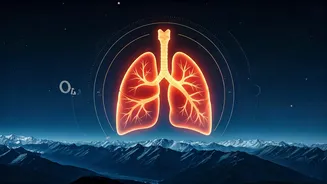









The 'Mountain in a Machine' Concept
Imagine training for a marathon in Miami but tricking your body into thinking it’s in the Rocky Mountains. That’s the core promise of simulated altitude training. For decades, endurance athletes have trekked to high-elevation locations like Boulder, Colorado,
or St. Moritz, Switzerland, to live and train. The “thin air” at these altitudes forces the body to adapt, leading to significant performance gains back at sea level. Altitude simulation technology aims to replicate this effect by artificially reducing the oxygen concentration in the air you breathe, effectively bringing the mountain to you. It’s no longer a secret weapon reserved for Olympians; it’s a tool now accessible to serious amateurs and fitness enthusiasts looking for a new performance frontier.
The Science of Oxygen Scarcity
This isn't about magic; it's about biology. The key is a state called hypoxia, which simply means a lower-than-normal concentration of oxygen. At high altitudes, the air pressure is lower, so each breath you take delivers fewer oxygen molecules to your lungs. In response to this challenge, your body initiates a cascade of powerful adaptations. The most famous is the increased production of erythropoietin (EPO), a hormone from the kidneys that stimulates your bone marrow to produce more red blood cells. Think of red blood cells as tiny oxygen delivery trucks. More trucks mean more oxygen can be transported from your lungs to your working muscles. Over time, your body also becomes more efficient at using the oxygen it has, improving mitochondrial function and enhancing your overall cardiovascular engine. The result isn't necessarily a bigger set of lungs, but a far more efficient system for using every last molecule of oxygen.
Choosing Your Simulation Method
You don’t have to build a multi-million dollar facility to get started. There are three primary ways consumers can simulate altitude. The most common is the hypoxic tent. These are enclosures that fit over your bed, allowing you to “live high, train low” by sleeping in a low-oxygen environment every night. A step up from that is a full-room conversion, which turns an entire bedroom into a hypoxic environment. For active training, there are altitude masks. These devices restrict your airflow or mix ambient air with a controlled amount of nitrogen to reduce the oxygen percentage you inhale during workouts. Finally, commercial facilities and high-end home gyms may feature normobaric hypoxic chambers—sealed rooms where you can exercise on a treadmill or stationary bike while the entire atmosphere is precisely controlled. Tents are great for passive, long-duration exposure, while masks are for targeted, high-intensity sessions.
The Real-World Payoff
While the headline talks about “extreme lung capacity,” the actual benefits are more nuanced and, frankly, more impressive. The primary advantage is a significant boost in aerobic endurance. Athletes find they can sustain higher outputs for longer periods and that their perceived effort at a given pace decreases. This translates to faster race times in running, cycling, swimming, and rowing. Another key benefit is accelerated recovery. By improving oxygen delivery, the body can clear metabolic waste products like lactate more effectively after intense efforts. Some studies also suggest benefits for acclimatization, meaning if you use a simulation at home before a ski trip to Colorado, you may reduce your risk of suffering from altitude sickness. It’s a tool for building a more resilient and efficient physiological engine.
A Necessary Reality Check
Simulated altitude is a potent tool, but it's not without risks if used improperly. Pushing too hard, too soon can lead to symptoms similar to actual altitude sickness, including headaches, fatigue, and nausea. The hypoxic environment is an added stressor on the body, so it’s crucial to monitor your training load and prioritize recovery to avoid overtraining. Proper hydration is also essential, as breathing in the drier, nitrogen-rich air can be dehydrating. Most importantly, this type of training is not for everyone. Individuals with pre-existing cardiovascular or respiratory conditions should absolutely consult with their doctor before even considering it. This is a form of advanced training, and it requires a foundation of good health and a smart, gradual approach.