


Beyond Picture-Perfect Interiors
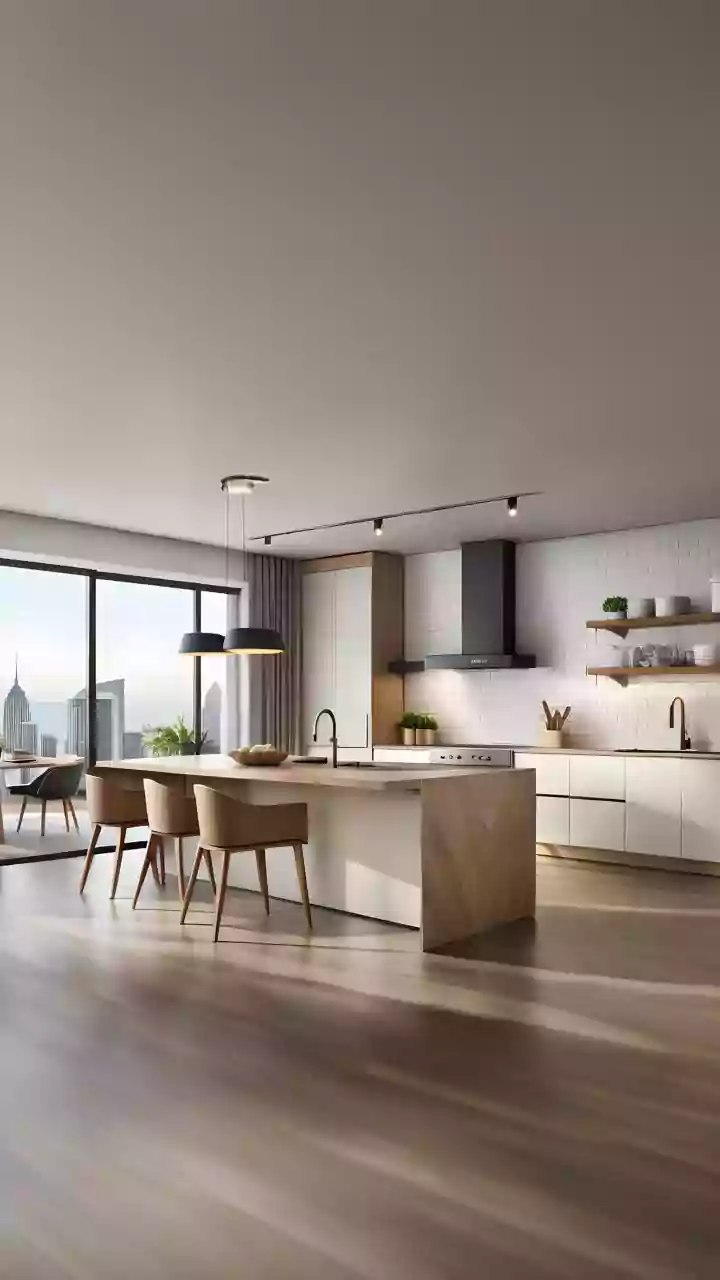
We've all seen them: pristine living rooms on social media that look untouched by human life. This is decorative calm—an aesthetic that’s pleasing to the eye but often lacks personal connection and function. The real goal shouldn't be a home that looks
calm, but one that feels calm. This is where the idea of a 'quiet corner' or a personal sanctuary comes in. It’s less about how a space looks and more about how it makes you feel. It is an intentional space designed not for show, but for personal retreat and mental recharging. While an orderly room can reduce stress, a truly effective space goes deeper, serving as a functional tool for your mental well-being.
The Science of a Personal Sanctuary
Our brains are profoundly affected by our surroundings. Constant noise and a lack of privacy can elevate stress hormones like cortisol, leading to anxiety and burnout. Creating a dedicated quiet space activates the parasympathetic nervous system, which promotes a state of rest and lowers stress levels. Studies in environmental psychology show that having a 'personal space'—an area you consider psychologically yours—is crucial for feeling in control and secure. This isn't just a feeling; research suggests that even short periods of silence can stimulate brain growth in the hippocampus, a region vital for memory and emotion. Your quiet corner, therefore, is not an indulgence; it's a neuroscience-backed tool for better focus, hormonal balance, and long-term brain health.
How to Find and Claim Your Space
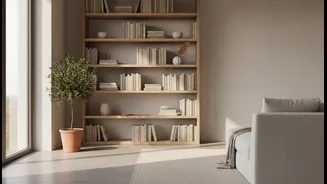
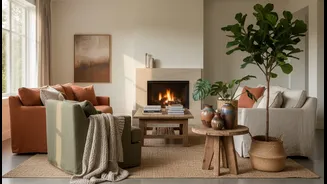
Creating a sanctuary doesn't require a spare room. It can be a small corner of your bedroom, a nook in the living room, or even a comfortable chair on a balcony. The first step is to observe the flow of your home and identify a spot that is naturally quiet and less trafficked. It might be near a window to take advantage of natural light, which is a known mood booster. The key is to choose an area you can dedicate to your self-care activities, no matter how small. You can use a room divider, a bookshelf, or even a strategically placed plant to create a sense of separation and privacy. The goal is to create a psychological boundary that signals to you and others that this is a space for quiet and rest.
Furnishing for Function, Not Form
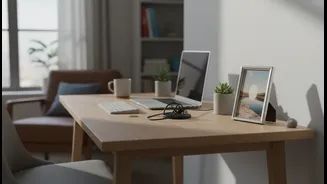
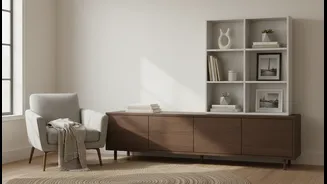
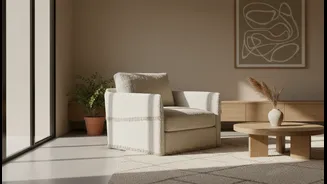
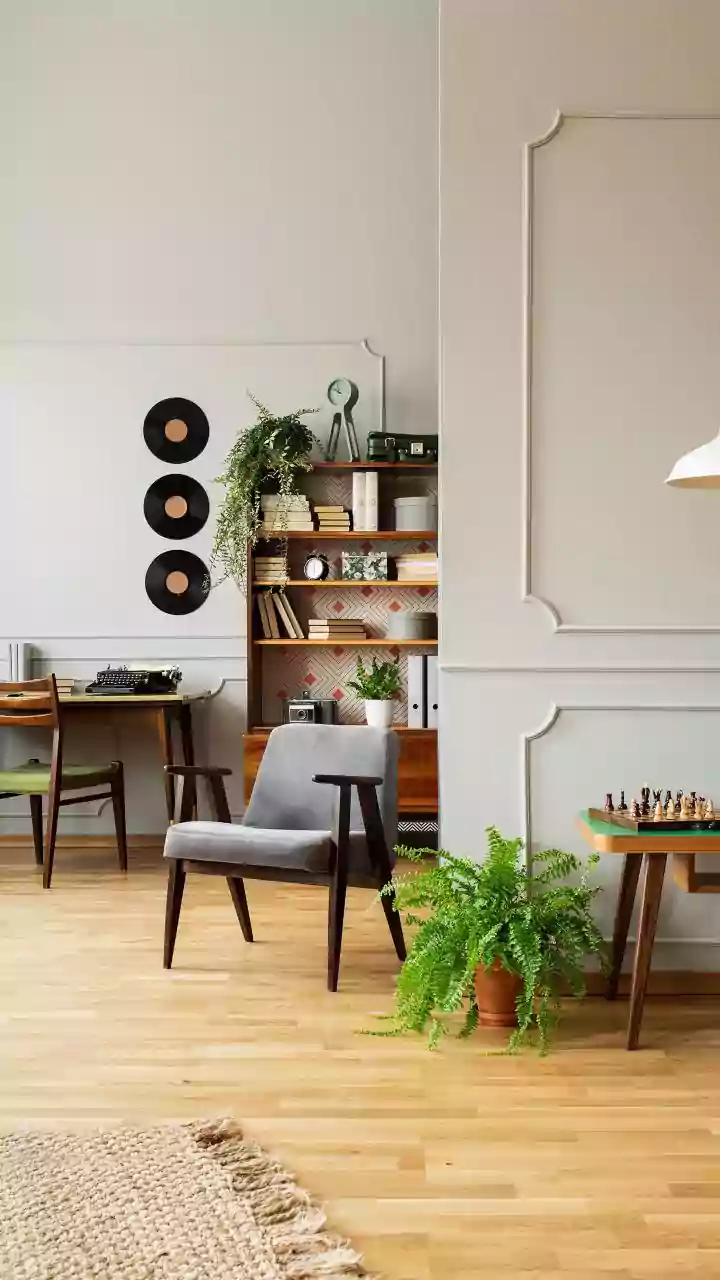
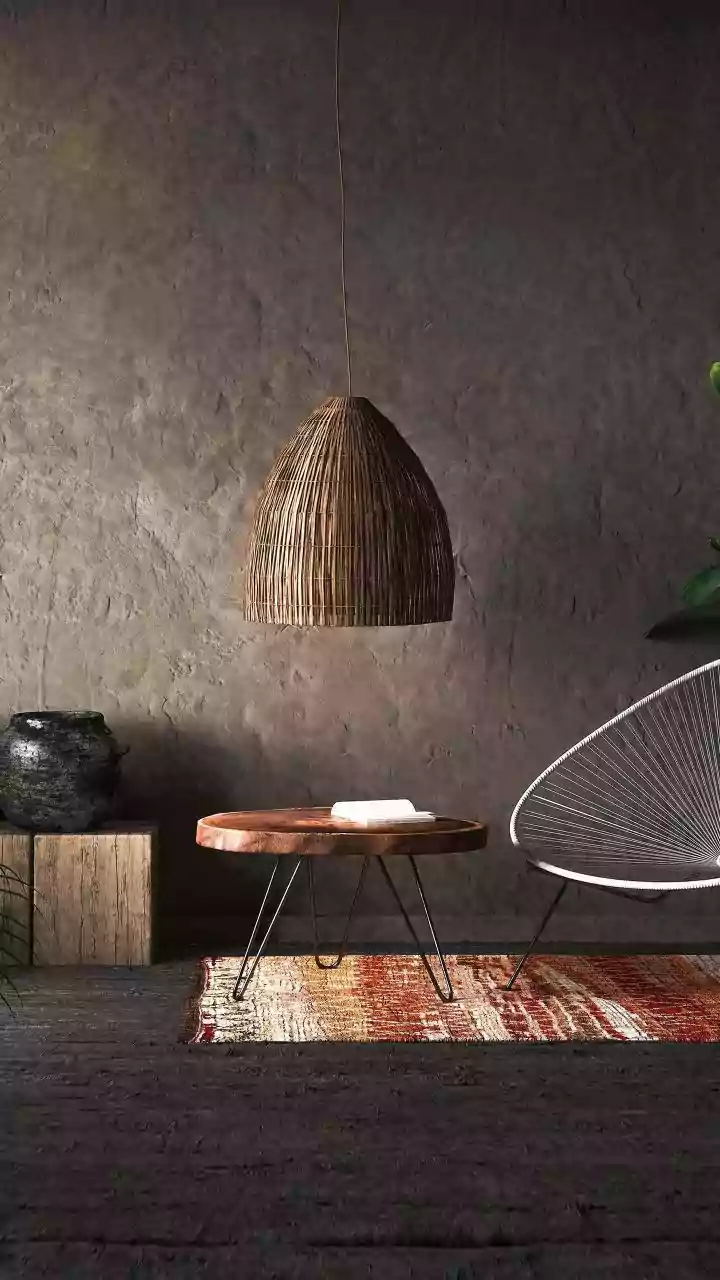
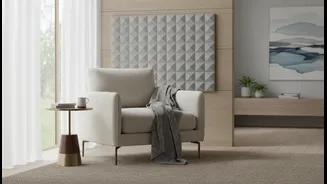
When equipping your quiet corner, prioritise comfort and purpose over aesthetics. This space is for you, not for guests. Start with comfortable seating—a plush armchair, a floor cushion, or a bean bag. Surround yourself with items that facilitate relaxation for you personally. This might include a small table for a cup of tea, and a lamp with warm, dimmable light. Incorporate textures that feel good to touch, such as soft fabrics and natural materials like wood. The most important rule is to keep it uncluttered and meaningful. A few cherished items—a favourite book, a journal, a plant, or a candle with a calming scent like lavender—are far more effective than a collection of purely decorative objects.
Protecting Your Peace
Once your corner is established, the final step is to maintain its purpose. This means keeping it clean, tidy, and ready for use. A cluttered sanctuary quickly loses its calming power. It's also important to communicate its function to others in your household. Explain that it’s your space to decompress and ask that it be respected. This isn't about being antisocial; it's about modeling healthy self-regulation, a skill that's valuable for everyone. Just as you would schedule a workout, try to schedule time in your quiet corner. Even five minutes of intentional stillness can be enough to reset your nervous system, improve your mood, and help you navigate the demands of daily life with greater calm and clarity.