


Why the 2:1 Rule Fails
Many of us are taught a simple 2:1 rule: two parts water for every one part rice. While a decent starting point, this advice is often what leads to inconsistent results. The reality is that the ideal amount of water depends on several factors: the type
of rice, its age, and, most importantly, the desired texture for the final dish. A fluffy biryani requires a different approach than a creamy risotto or simple steamed rice. The method of cooking also plays a huge role; rice cooked in a pot with a loose lid will lose more water to evaporation than rice in a sealed cooker. Thinking of water ratio as a flexible variable, not a fixed rule, is the first step toward mastering rice.
The Science of Starch and Texture
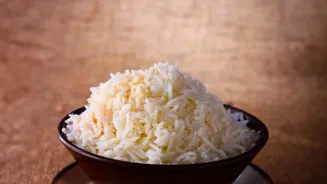
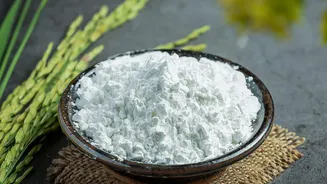
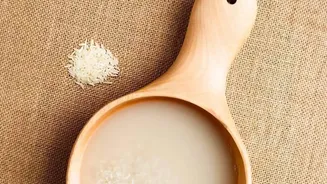
At the heart of this culinary puzzle is starch. Rice grains contain two types of starch molecules: amylose and amylopectin. The ratio of these two determines the texture of the cooked rice. Long-grain varieties like basmati are high in amylose, which results in fluffy, separate grains after cooking. Short-grain rice, like the Arborio used for risotto, is high in amylopectin, which breaks down during cooking to create a sticky, creamy consistency. Washing rice before cooking removes excess surface starch, which is crucial if you want distinct, non-sticky grains for a dish like a pilaf or biryani. For stickier rice, less rinsing is needed. Understanding this basic science helps you predict how your rice will behave.
For Fluffy, Separate Grains: Biryani and Pilaf
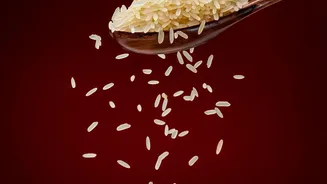
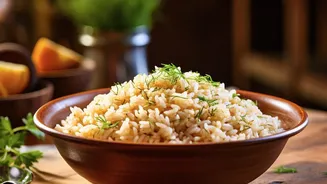
When making a biryani or a pilaf, the goal is to have long, distinct grains that are perfectly cooked but not clumped together. This requires a drier cooking environment. One popular method involves using a large volume of water—far more than the rice can absorb—to par-boil the grains, then draining them when they are about 80% cooked. This method, often used in traditional biryani preparation, allows the excess starch to be washed away. Another approach is the absorption method, but with less water, often a ratio closer to 1.5 parts water to 1 part basmati rice. Soaking the rice for 20-30 minutes beforehand also helps it cook more evenly without needing excess water, which can make it mushy.
For Soft and Tender Grains: Everyday Steamed Rice
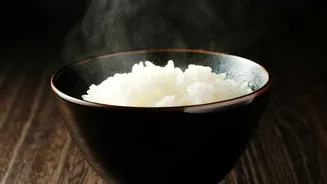
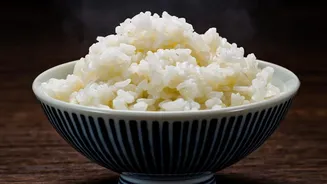
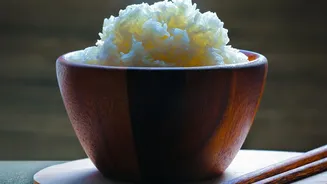
For a simple side of steamed jasmine or sona masoori, a slightly softer, more tender texture is often desired. Here, a ratio of around 1.5 to 1.75 parts water to 1 part rice is a common recommendation for the stovetop absorption method. This provides enough moisture for the grains to fully soften and swell without becoming waterlogged. The key is to bring the water and rice to a boil, then immediately reduce the heat to the lowest possible setting and cover with a tight-fitting lid. This creates a steamy environment where the rice cooks gently and absorbs the water evenly. Resisting the urge to lift the lid and stir is crucial, as this releases steam and can lead to uneven cooking.
For a Creamy Sauce: The Risotto Method
Risotto is in a category of its own. It uses short-grain, high-starch rice like Arborio or Carnaroli and requires a much higher liquid-to-rice ratio, often starting at 3:1 and going up. The technique is what makes the dish. Instead of adding all the liquid at once, warm broth is added one ladle at a time. Constant stirring is essential; this friction rubs the starch off the outside of the grains, which then dissolves into the liquid to create the signature creamy sauce. Adding the liquid slowly prevents the rice from simply boiling and ensures it absorbs the broth gradually, releasing its starch to thicken the dish naturally without becoming a solid, sticky mass.