


The Primal Appeal of a Starry Night
The desire to stand under a sky dense with stars is more than just a niche hobby; it’s a return to something fundamental. For centuries, the night sky was humanity's calendar, map, and source of myth. Today, as our urban lives become increasingly disconnected
from natural rhythms, the appeal of astrotourism lies in its power to inspire awe and quiet contemplation. It's a digital detox and a wellness retreat rolled into one. For nature lovers, it’s the ultimate prize: a landscape that is not just terrestrial but cosmic. This growing interest has spurred a boom in travel to destinations where the only lights are celestial.
Hanle, Ladakh: India's Dark Sky Sanctuary
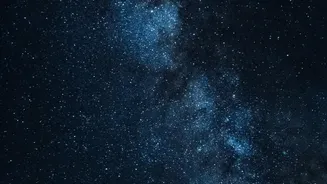
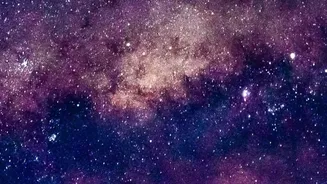
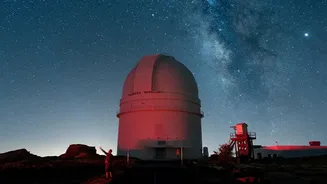
Topping nearly every list is Hanle in Ladakh, home to India's first and only designated Dark Sky Reserve. Situated in the remote Changthang region at an altitude of over 4,500 metres, Hanle offers some of the clearest and darkest skies in Asia. The high altitude, dry air, and near-zero light pollution create almost laboratory-like conditions for stargazing. This is why it hosts the Indian Astronomical Observatory. For travellers, this translates to an overwhelming view of the Milky Way, often so bright it feels three-dimensional. Local communities, with support from scientific institutions, have embraced sustainable astro-tourism, training villagers as astronomy guides to offer visitors an experience that is both scientific and deeply rooted in the landscape.
Spiti Valley, Himachal Pradesh: A High-Altitude Desert Canvas
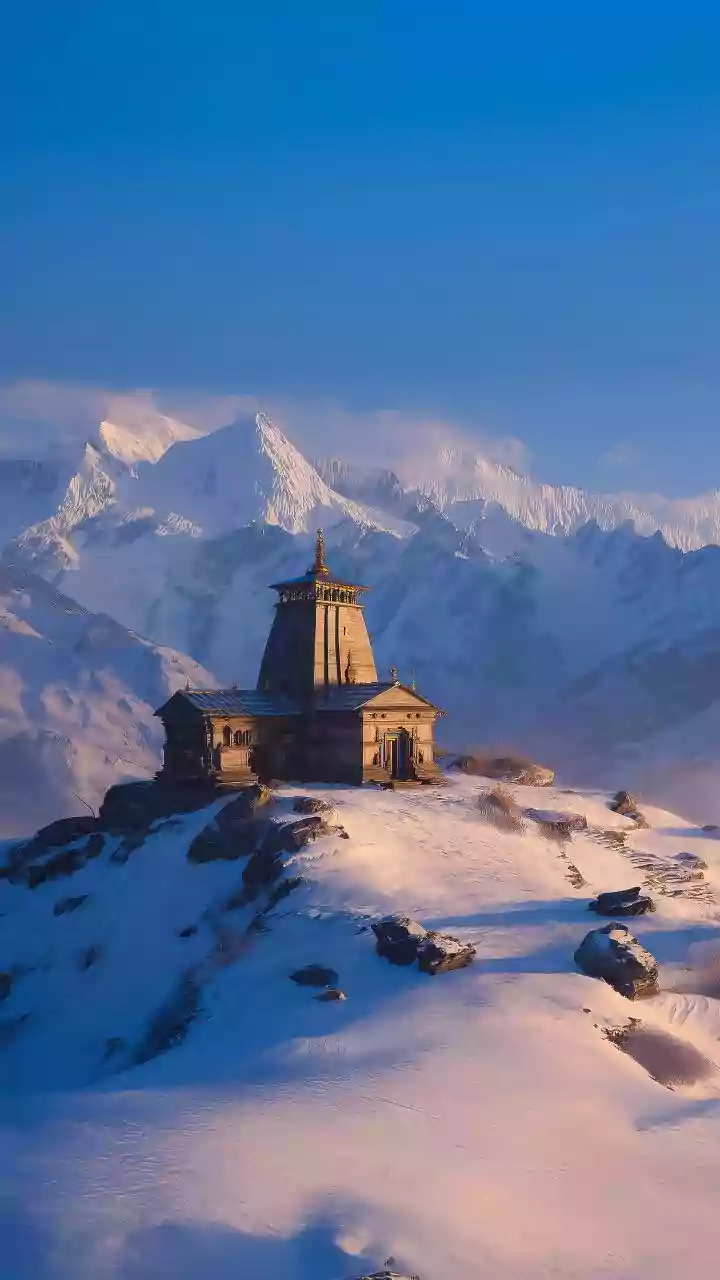
Spiti Valley offers a similar high-altitude, cold-desert environment but with its own unique spiritual and rugged charm. At an average elevation of over 4,000 metres, villages like Kibber, Langza, and Komic serve as natural observatories. Far from any major cities and located in a rain shadow, Spiti boasts exceptionally clear, dry nights for most of the year. The experience here is about more than just the sky; it's about seeing the cosmos frame ancient monasteries and stark, lunar-like landscapes. On a moonless night in Spiti, the sheer number of visible stars can be disorienting and exhilarating, making it a favourite for astrophotographers and soul-searchers alike.
Rann of Kutch, Gujarat: A Celestial Show Over Salt Plains
In stark contrast to the Himalayan destinations, the Great Rann of Kutch in Gujarat offers a completely different kind of stargazing experience. Here, the landscape is a vast, flat expanse of white salt desert, creating an unobstructed 180-degree view of the sky. The sheer emptiness and silence of the Rann at night are profound. During the Rann Utsav, a cultural festival held in the winter months, visitors can experience the magic of a moonless night where the sky feels enormous and the stars seem to reflect off the salt-crusted earth. Its remote location ensures minimal light pollution, making it one of the best places in India to witness the grandeur of the winter constellations.
Coorg, Karnataka: Stargazing in the Southern Ghats
For those in southern India, the rolling hills and coffee plantations of Coorg (Kodagu) provide an accessible escape to darker skies. While it doesn't offer the Bortle Class 1 darkness of Hanle, its distance from major urban centres and forested landscapes create pockets of significant darkness. Many homestays and resorts are situated away from town lights, offering serene spots to set up a telescope or simply lie back and watch the stars appear over the misty valleys. The experience in Coorg is gentler and more temperate, combining the pleasure of a hill station retreat with the quiet wonder of a star-filled sky, especially between October and May.