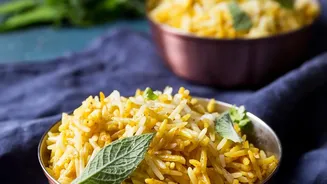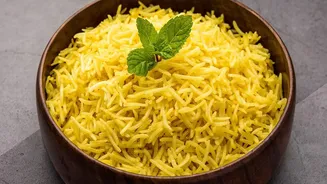




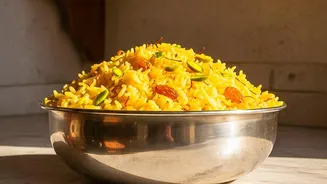

The dream is simple: a dish of saffron rice where every grain is a distinct, fragrant, golden thread. The reality is often a sticky, clumpy disappointment. The secret to achieving that perfect texture isn't luck; it's about the right rice and technique.
Why Aged Basmati is Superior
The first step to non-sticky rice happens before you even open the bag. Opting for 'aged' basmati is crucial. Unlike new-crop rice, which has a higher moisture content, aged basmati has been stored for at least a year. This drying process fundamentally changes the grain's structure. The starches harden and become less soluble, which means they are less likely to leak out and create a glue-like paste during cooking. As a result, aged grains absorb water more evenly, expand lengthwise, and remain separate and firm. The aging process also intensifies basmati's signature nutty, floral aroma.
The Science of Fluffy Grains
Stickiness in rice comes down to two types of starch: amylose and amylopectin. Amylopectin is a branched molecule that makes rice gelatinous and sticky, while amylose is a straight molecule that helps grains stay separate. Basmati rice naturally has a high percentage of amylose, making it a good candidate for fluffy dishes. However, even basmati has loose surface starch from milling and transport. Rinsing the rice under cold water until it runs clear is the single most important step to wash away this excess starch, which is the primary cause of clumping. For an extra layer of insurance, toasting the rinsed grains in a little ghee or oil before adding water coats them in fat, further preventing them from sticking together.
Unlocking Saffron’s Golden Soul
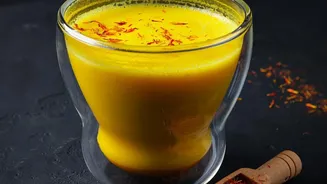
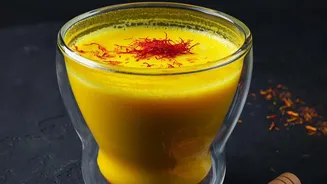
To get that beautiful, even saffron hue and intoxicating aroma, you must 'bloom' the threads. Simply tossing them into the pot is a waste of this precious spice. The most effective method is to gently grind a pinch of saffron threads into a powder using a mortar and pestle. This increases the surface area for infusion. Then, steep the powder in a few tablespoons of warm (not boiling) water or milk for at least five to ten minutes. This process allows the saffron to fully release its colour (crocin) and flavour (safranal), creating a potent liquid that will distribute evenly throughout the rice. Never use pre-ground saffron powder, which often contains additives and lacks the vibrant flavour of whole threads.
The Perfect Cooking Method
Forget the generic two-to-one water ratio; for basmati, it leads to mushy results. The ideal ratio for the absorption method is 1 cup of rinsed rice to 1.5 cups of liquid. First, bring the rice and liquid to a boil in a heavy-bottomed pot. Once it's boiling, immediately reduce the heat to the absolute lowest setting, cover the pot with a tight-fitting lid, and let it simmer for 10-15 minutes. Do not lift the lid; the trapped steam is essential for cooking the grains gently and evenly. After the time is up, turn off the heat completely and let the pot stand, still covered, for another 5-10 minutes. This final resting period allows the moisture to redistribute, ensuring the bottom layer isn't wet and the top isn't dry. Finally, fluff the rice gently with a fork to separate the magnificent, long grains before serving.