

The Spiti Valley Winter Circuit
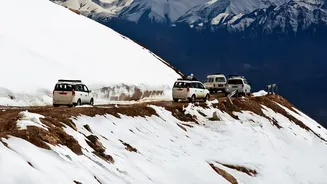
Often called a 'world within a world', Spiti Valley in winter is not for the faint of heart, making it a perfect challenge for the seasoned driving enthusiast. While the popular route from Manali via Kunzum Pass shuts down, the road from Shimla via Kinnaur
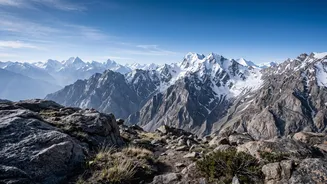
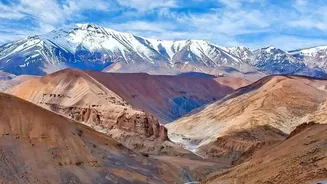
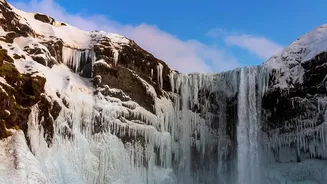
remains accessible, though perilous. This 412-kilometre journey is an exercise in cautious and skilled driving, rewarding you with some of the most profound landscapes in India. The drive through the Sutlej gorge into the snow-draped, high-altitude desert of Spiti is spectacular. Waterfalls that are lively streams in summer freeze into magnificent walls of ice along the roadside, particularly on the stretches near Tabo and Kaza. The famous Lingti Waterfall, located near Kaza, becomes a massive curtain of blue and white ice, a popular stop for travellers. The best time for this experience is from late December to February, but conditions are entirely dependent on the weather, and local advice is paramount before setting out. A reliable 4x4 vehicle and complete self-sufficiency with supplies are non-negotiable for this epic drive.
The Zanskar Valley Expedition
For the ultimate thrill-seeker, the winter drive into Zanskar Valley is a new frontier of Himalayan road-tripping. Once accessible only by the arduous Chadar Trek over the frozen Zanskar River, the region can now be reached by a rugged road, offering an unparalleled adventure. The drive, particularly the newer route from Darcha to Padum via Shinku La, is exceptionally challenging, with extreme cold and unpredictable conditions. However, the reward is access to a world seen by very few. Along this route, the Zanskar River and its tributaries create a gallery of frozen wonders. Massive waterfalls, which roar during summer, are silenced into colossal ice sculptures, clinging to the stark canyon walls. Driving this route, you are literally navigating the edge of the famous Chadar, witnessing the same frozen cascades that trekkers seek, but from the relative comfort of your vehicle. This expedition is best attempted in January or February when the ice formations are at their most stable and spectacular. This journey demands expert driving skills, a robust and well-prepared 4x4, and ideally, travelling in a convoy for safety.
Exploring the Roads Around Leh
If a full-blown overland expedition isn't on the cards, you can still experience the magic of frozen waterfalls by flying into Leh and exploring the surrounding areas by car. While the main highways from Manali and Srinagar are closed, local roads in Ladakh remain open, offering incredible day trips for driving enthusiasts. A drive along the Indus River towards the confluence with the Zanskar River at Nimmu offers stunning views of frozen riverbanks and icy flows. Another fantastic route is the drive from Leh towards Lamayuru, where you can witness numerous small and large waterfalls frozen solid by the roadside. This allows you to experience the phenomenon without committing to the extreme challenges of the Spiti or Zanskar routes. This option is perfect for those who want to combine the thrill of a winter drive with visits to ancient monasteries and the unique culture of Ladakh in its quietest season. Temperatures can plummet below -20 degrees Celsius, so hiring a suitable local vehicle with an experienced driver is highly recommended.
A Note on Preparation and Safety
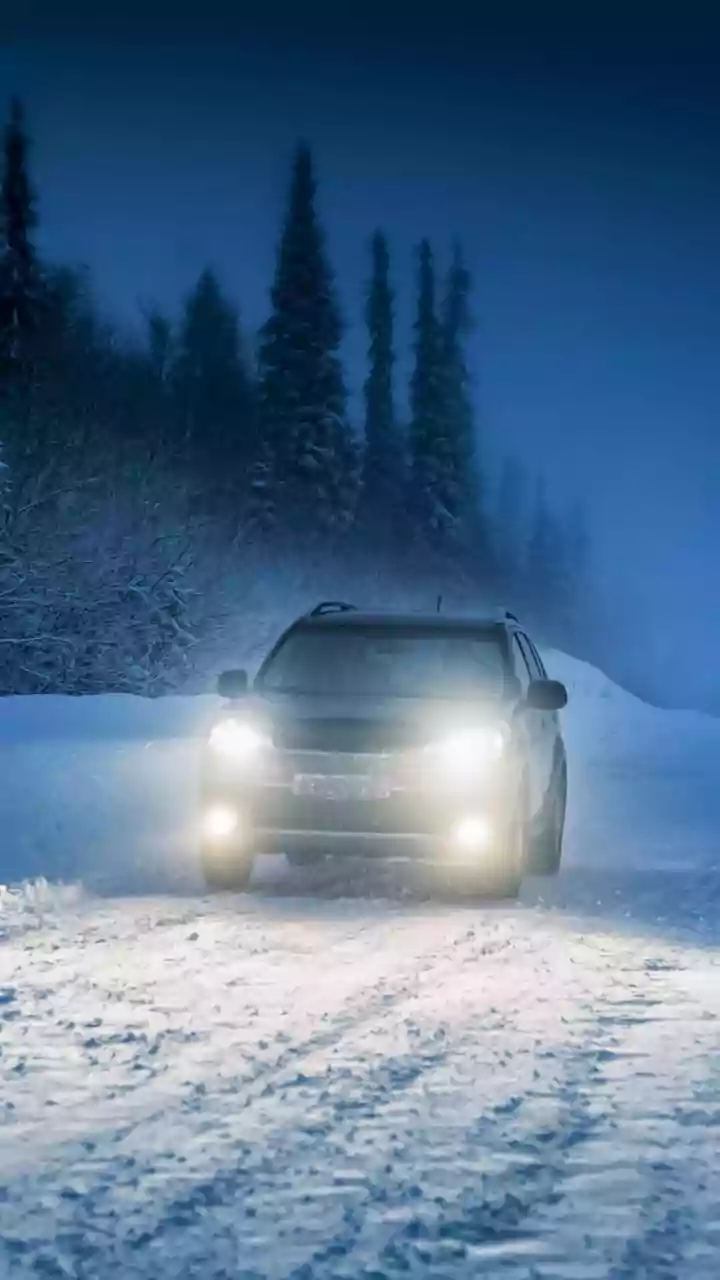
Embarking on these winter drives requires meticulous planning and a deep respect for the power of the Himalayas. Roads can close without warning due to snowfall or avalanches. Black ice is a constant, often invisible threat. Always travel with extra fuel, food, water, and emergency supplies. Your vehicle must be in perfect condition, equipped with appropriate tyres and fluids for sub-zero temperatures. Acclimatisation to the high altitude is crucial to avoid sickness, which is a serious risk on these journeys. Before starting any leg of your trip, check with local authorities and experienced taxi unions in places like Shimla, Kaza, or Leh for the most current road status. These drives are as much about survival and smart decision-making as they are about adventure and scenic beauty. The goal is not just to see the frozen waterfalls, but to return safely with memories of a lifetime.