

A Delicious New World
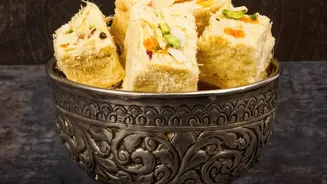
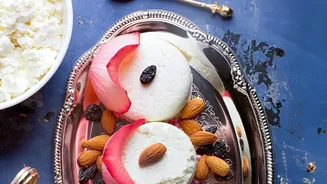
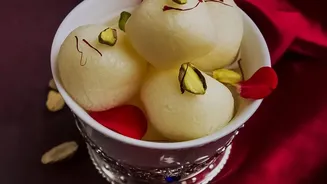
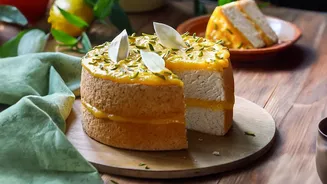
Scroll through Instagram and you'll see it: a Motichoor Ladoo cake standing proudly next to a Rasmalai tiramisu. This isn't just about adding cardamom to a cookie; it's a full-blown culinary movement. Home bakers are deconstructing classic Indian sweets
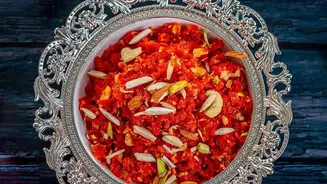
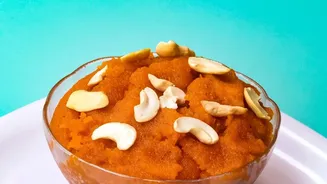
and reimagining them in contemporary forms. Think Paan-flavoured panna cotta, Gajar Halwa crumble tarts, and even Chocolate Samosas. These creations are more than just a novelty; they represent a delicious dialogue between nostalgia and novelty. The familiar comfort of a mithai is preserved, but presented in a texture and format—like a cheesecake, parfait, or macaron—that feels fresh and exciting. This fusion marries the rich, spice-laden DNA of Indian sweets with the structural elegance of Western patisserie.
The Pandemic-Fueled Baking Boom
This wave of innovation was significantly accelerated by the COVID-19 pandemic. As lockdowns confined people to their homes, many turned to their kitchens for comfort and creativity. Baking, in particular, saw a massive surge in popularity, evolving from a hobby into a passion, and for many, a profession. This period of forced downtime gave aspiring bakers the chance to hone their skills, often with the help of online tutorials and communities. What started as a way to pass the time soon became a viable business opportunity, especially for homemakers looking for financial independence. The home bakery model offered a low-investment, high-creativity outlet that perfectly matched the moment. Consumers, wary of mass-produced goods, also shifted their preference towards trusted, hygienic home-based businesses, further fueling the demand.
The Instagram Marketplace
This movement would be incomplete without its digital storefront: social media. Platforms like Instagram became the primary stage for these culinary artists to showcase their visually stunning creations. The photo-centric nature of Instagram is a perfect match for these fusion desserts, which are as much a feast for the eyes as they are for the palate. A well-shot picture of a Gulab Jamun cheesecake can go viral, turning a previously unknown home baker into an overnight sensation with a flood of orders. Influencers and food bloggers have also played a crucial role, amplifying these trends and introducing them to a wider audience. For these entrepreneurs, social media isn't just a marketing tool; it's their entire marketplace, handling everything from brand building and customer interaction to sales via direct messages and WhatsApp.
A Taste of Modern India
The popularity of these fusion desserts says a lot about the evolving Indian palate. It reflects a generation that is deeply connected to its roots but is also global in its outlook. They crave the comforting taste of the sweets they grew up with, but also appreciate the sophisticated textures of a cheesecake or the delicate craft of a macaron. This trend is a culinary expression of modern Indian identity—proudly local, yet openly global. It shows a desire to experiment and break boundaries, refusing to be confined to traditional definitions. These desserts are not about replacing mithai, but about celebrating it in a new and exciting context, making it relevant for a new generation of food lovers.
More Than Just a Passing Trend
While food trends can be fleeting, the rise of the home baker and the fusion dessert wave feel more permanent. This movement has democratised culinary innovation, taking it out of the exclusive domain of five-star restaurants and putting it into the hands of passionate individuals, many of whom are women entrepreneurs. It has created a new ecosystem of small-scale businesses built on skill, creativity, and direct community engagement. By blending heritage with innovation, these home bakers are not just selling cakes and pastries; they are crafting a new narrative for Indian desserts. They are proving that tradition is not a static relic, but a living, evolving entity that can be reinterpreted in endlessly delicious ways.