



The Unmatched Comfort of a Hand-Woven Drape
The primary barrier to wearing a saree daily is often perceived comfort, especially in India's varied and often humid climate. This is precisely where handloom fabrics excel. Unlike machine-made or synthetic materials that trap heat, hand-woven textiles
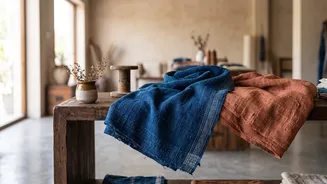
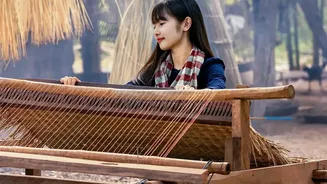
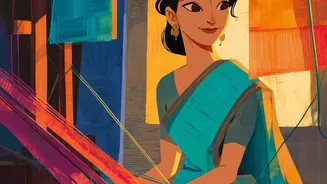
are inherently breathable. The manual process of weaving creates tiny, natural air channels within the fabric, a quality that power looms, with their uniform tightness, cannot replicate. Fabrics like handloom cotton, linen, and khadi are exceptionally good at absorbing moisture and allowing air to circulate, keeping you cool and comfortable throughout a long day. Historically, these were the fabrics of everyday life for this very reason. Choosing a handloom cotton saree is not a compromise on comfort; it is an upgrade.
A Conscious Choice for the Planet
In an age of fast fashion, a handloom saree is a statement of sustainability. The production process has a significantly smaller environmental footprint compared to its industrial counterparts. Handlooms are operated manually, consuming negligible electricity and reducing the carbon emissions associated with textile production. Furthermore, the sector often relies on natural fibres like cotton and silk and has a rich tradition of using natural dyes derived from plants and minerals. This minimises the chemical pollution that plagues much of the modern garment industry. By choosing a handloom piece, you are investing in a 'slow fashion' philosophy, acquiring a durable garment made with eco-friendly practices that is designed to be cherished for years, not seasons.
Weaving a Stronger Economy
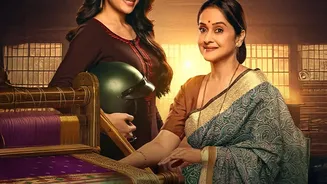
The impact of choosing a handloom saree extends far beyond your wardrobe. The handloom sector is India's second-largest source of rural employment after agriculture, providing a livelihood for over 3.5 million weavers and allied workers. A significant portion of this workforce—over 70%—is comprised of women, making it a crucial driver of female economic empowerment. When you purchase a handloom product, you are directly supporting these artisans and their families, helping to sustain their craft and provide a vital non-farm income in rural areas. This choice helps preserve invaluable cultural heritage and skills passed down through generations, ensuring that ancient weaving traditions continue to thrive in a modern world.
The Art of Individuality
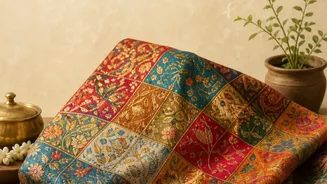
In a world of mass-produced goods, a handloom saree is an emblem of individuality. Because they are woven by hand, no two pieces are ever identical. The subtle variations in the weave, the minor imperfections in the pattern, and the unique touch of the artisan are not flaws—they are the signature of a human-made object. This inherent uniqueness sets it apart from the uniform, repetitive output of a power loom. Wearing a handloom saree is a way to express a personal style that values artistry and character over manufactured perfection. It’s a piece of wearable art that tells a story of its maker and its region.
Styling Handloom for the Modern Day
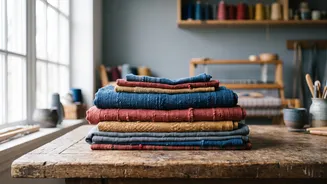
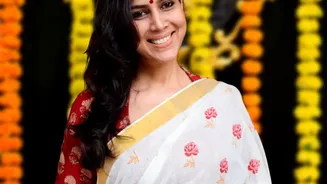
The notion that handloom sarees are difficult to style for contemporary life is a myth. Their versatility is one of their greatest strengths. For a professional office look, a crisp cotton or linen handloom saree in a solid colour or with fine stripes, paired with a structured blouse, looks both polished and powerful. For a casual outing, you can experiment by pairing a lightweight handloom saree with a simple t-shirt or a crop top and sneakers for a relaxed, modern silhouette. The key is to balance the elements. Let the saree be the focus by opting for minimal jewellery and a clean drape. Muted, earthy tones and simple patterns lend themselves exceptionally well to everyday wear, proving that these sarees can be effortlessly chic and entirely relevant.