



The Great Post-Festive Migration
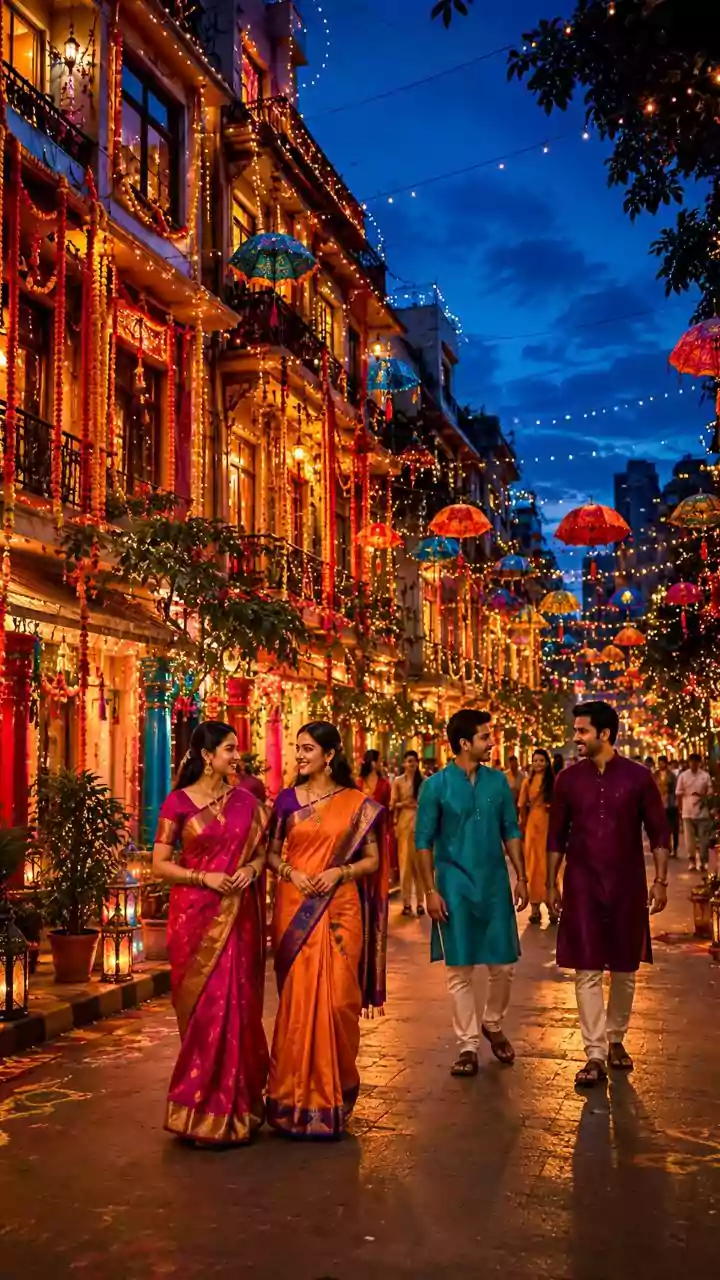
The period immediately following Diwali has transformed into a peak travel season of its own. Many Indians are now opting to unwind with a vacation after fulfilling family obligations and festive duties at home. This trend, combining extended holidays
and school breaks, creates a concentrated rush for popular destinations. Hotel chains and travel agencies are reporting a significant year-on-year increase in bookings for the latter half of November. For instance, The One Group of Hotels has seen a 39% jump in bookings for October and November 2026, while others are bracing for a 15-20% growth in demand driven by short leisure breaks and family holidays. This isn't just about a few extra travellers; it represents a fundamental shift in holiday patterns, where the post-Diwali trip is now a firm fixture on the calendar for many.
Hotspots Feeling the Heat
The demand isn't spread evenly; it’s intensely focused on India's most beloved leisure circuits. According to travel industry data, destinations like Goa, Udaipur, and hill stations such as Ooty and Mahabaleshwar are seeing the highest interest. Goa, in particular, is bracing for a steep price hike, with premium hotel rates projected to climb by nearly 42% in the second half of November compared to the pre-Diwali period. An analysis by Sciative Solutions predicts average mid-scale hotel rates across popular destinations could rise by nearly 27% between November 11-15 alone. Other sought-after locations include the spiritual hubs of Rishikesh and Puri, desert circuits in Rajasthan, and the serene backwaters of Kerala, all of which are best enjoyed in the pleasant November weather. Drive-to destinations and regional circuits like Kasauli-Chail are also gaining significant traction as improved highway connectivity makes shorter trips more appealing.
Why Prices Are Soaring This Year
Several factors are converging to create this perfect storm of high demand and rising prices. Pent-up demand for 'revenge travel' continues to play a role, but it's now coupled with strong domestic preference. While international travel is recovering, many still find domestic trips easier and more flexible for family and group holidays. Furthermore, the hospitality sector itself is responding to market dynamics. With occupancy rates expected to rise, hotels are implementing dynamic pricing models. Average room rates are already tracking 8-10% above last year's levels for the festive period, and this is expected to intensify post-Diwali. This is a simple case of supply and demand: as rooms fill up, the remaining inventory becomes more expensive. Even airfares are contributing, with spikes in ticket prices making last-minute travel a costly affair.
Your Strategy for Securing a Stay
In this competitive landscape, spontaneity is a luxury few can afford. The key to a successful post-Diwali break is planning. The average booking lead time has already increased from 20 to 29 days, with many travellers booking months in advance. First, book as early as possible. This not only secures your room but often locks in a better price. Second, be flexible with your dates and even your destination. Travelling mid-week instead of on a weekend can make a significant difference. If your first-choice destination is fully booked or too expensive, consider emerging or offbeat locations. The rise of alternative accommodations like villas, homestays, and serviced apartments offers a viable and often more authentic alternative to traditional hotels. These now represent a significant portion of the market and are seeing bookings grow even faster than hotels. Finally, compare prices across different platforms but don't forget to check the hotel's own website, which may offer exclusive deals or perks.