







A Grand Vision for Lucknow
The Supreme Court's decision on July 15, 2026, marks a pivotal moment for the Uttar Pradesh government's plan to build a large-scale wildlife attraction on the outskirts of the state capital. The project, inspired by Singapore's famous night safari, aims
to create a unique experience where visitors can observe nocturnal animals in naturalistic settings. The court's approval allows the state to proceed with the ₹1,510-crore project, which will occupy about 855 acres within the larger 2,027-hectare Kukrail Reserve Forest. This development is expected to significantly boost tourism in Uttar Pradesh, adding a modern wildlife destination to its portfolio of heritage and spiritual sites.
What Will the Night Safari Offer?
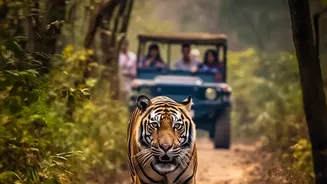
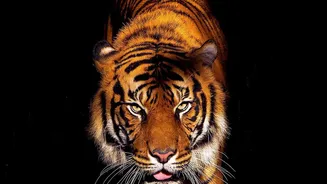
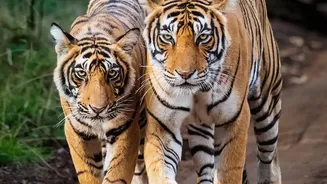
The project is designed to be more than just a zoo that stays open late. It will feature theme-based zones, natural habitats, and trails where visitors will travel in battery-operated vehicles to minimize disturbance. A special lighting system designed to mimic moonlight will allow for clear viewing without causing discomfort to the animals. The plan includes enclosures for species like Asiatic lions, Bengal tigers, leopards, and hyenas. Alongside the night safari, there are plans for a day zoo, conservation breeding facilities, and educational centers, positioning the project as a hub for both tourism and wildlife research. The goal is to provide an immersive experience that promotes conservation awareness among an expected footfall of 4,000 visitors on weekdays and 8,000 on weekends.
The Environmental Controversy
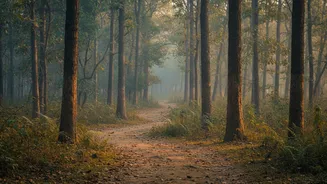
The project's journey has been anything but smooth, primarily due to its location within an ecologically sensitive reserve forest. Kukrail is not just a patch of green; it's considered a vital green lung for Lucknow and is home to India's first gharial conservation center, established in 1975. Environmental activists and petitioners raised concerns about the potential for irreversible damage to the ecosystem, the felling of thousands of trees, and the impact of artificial light and noise on wildlife. The legal challenge questioned the use of protected forest land for a large-scale commercial tourism project, forcing a rigorous review process that involved multiple statutory bodies and eventually landed at the Supreme Court.
The Court's Balancing Act
In its ruling, the Supreme Court acknowledged the project's ambition while imposing strict conditions to mitigate environmental impact. The court did not give the government a blank cheque. Instead, it mandated strict compliance with all conditions laid down by the Central Empowered Committee (CEC), the Central Zoo Authority (CZA), and the Ministry of Environment, Forest and Climate Change. Some of the original plans were scaled back based on these recommendations. The proposal to shift the existing 104-year-old Lucknow Zoo to Kukrail was rejected, and a planned four-lane road was limited to a two-lane route to save trees. A proposed adventure zone was also scrapped. The court has ordered periodic monitoring by the CEC to ensure all rules are followed, warning that any breach will be viewed seriously.
What Happens Next?
With the final legal hurdle cleared, the Uttar Pradesh government is set to put the project on a fast track. The next steps involve completing administrative formalities and selecting a construction agency. Officials estimate that construction could begin within a few months, with the first phase of the night safari expected to take around two years to complete. While the grand vision is moving forward, the focus now shifts to implementation. The project's success will be measured not only by the tourist numbers it attracts but also by its ability to coexist with the fragile ecosystem it inhabits, all under the watchful eye of regulatory bodies and the Supreme Court.