







For Straight or Fine Hair
Straight hair provides a sleek canvas, making it ideal for sharp, defined fringes. A classic blunt bang, cut straight across, looks particularly polished and bold on this texture. However, if your hair is on the finer side, a heavy fringe can make the rest
of your hair look sparse. In this case, wispy or 'see-through' bangs are a fantastic alternative. These soft, feathered styles add a romantic touch without sacrificing volume. They are light enough to avoid weighing hair down and blend beautifully into layers. Side-swept bangs are another winning option, as they can create the illusion of fullness and are famously low-maintenance. For those with straight hair wanting more movement, asking your stylist for point-cutting or texturizing can break up a solid line and add a softer, piecey finish.
For Wavy Hair
Wavy hair possesses natural movement, which makes it perfect for relaxed, textured fringe styles. Curtain bangs are arguably the best match for this texture; the hair's natural S-bend helps the fringe sweep away from the face effortlessly. This creates a soft, face-framing effect that looks lived-in and modern. Choppy or layered fringes also complement wavy hair beautifully, blending seamlessly into a shaggy cut. While a blunt fringe can work, it often requires daily heat styling to maintain a straight edge, which can fight against your hair's natural inclination. For a lower-maintenance approach, embracing the wave within your bangs is key. A stylist can cut the fringe to work with your wave pattern, often leaving it slightly longer to account for any 'spring' as it dries.
For Curly Hair
The idea of a curly fringe once felt daunting, but now it's celebrated for its built-in volume and personality. The most critical rule for a curly fringe is that it must be cut dry. Curls shrink as they dry, and a wet cut can result in bangs that are far shorter than intended. A stylist specializing in curls will often cut them curl by curl to see exactly how they fall. Soft, rounded bangs that follow your natural curl pattern are exceptionally flattering. Curtain bangs also work well, parting in the middle and blending into the surrounding curls. For denser 3A-3C curls, a full, brow-grazing fringe can look incredibly chic. The key is to avoid blunt, straight lines and instead opt for shapes that embrace your hair's natural bounce and movement.
For Coily and Tightly Textured Hair
With coily and tightly textured hair, a fringe is all about celebrating shape and volume. As with curly hair, a dry cut is essential to account for shrinkage and to properly shape the style. A stylist experienced with coily hair can carve out a shape that complements your cut. Shorter, curved fringes that sit close to the hairline can create a beautiful, blended look. A parted, lighter fringe can also add shape without creating a heavy block of hair. For those with dense coils, a fuller fringe can be shaped to taper at the sides, framing the brow bone and adding structure to a bob or shorter cut. The priority for this hair type is hydration; keeping coils moisturised with creams and masks ensures the fringe remains defined and bouncy.
Essential Maintenance Tips
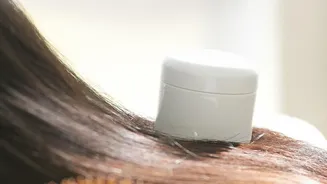
Regardless of texture, a fringe requires a bit more upkeep than the rest of your hair. Trims are needed more frequently, typically every three to six weeks, to maintain the shape and length. The hair on your forehead is also prone to getting oily faster from both scalp oils and skincare products. Dry shampoo will become your best friend for a quick refresh. When styling, especially for wavy and curly types, it's often best to style the fringe when your hair is wet to encourage your natural pattern, then let it air-dry or use a diffuser on low heat. For straight or fine hair, a quick pass with a blow-dryer and a round brush can give it the perfect shape and lift.