



Choosing a new fitness routine often comes down to accessibility. Both walking and skipping are fantastic, low-cost options, but which one truly requires less gear to get started? Let's break down the absolute essentials for each activity.
Walking: The Ultimate Minimalist Workout
At its core,
walking is the champion of simplicity. The single most important piece of equipment is a good pair of shoes. While you can technically walk in almost any footwear, a dedicated pair of walking shoes will provide the necessary support, cushioning, and comfort to prevent blisters and injuries. For casual, short walks, any comfortable trainers will do. The beauty of walking is that you don't strictly need anything else. You can do it in your everyday clothes on your way to work or the shops. It's an activity that can be seamlessly integrated into your day without a dedicated 'gear-up' process.
Upgrading Your Walk: Optional Extras
As you get more serious about walking for fitness, your equipment needs may evolve, though they remain largely optional. Many regular walkers invest in moisture-wicking clothing to stay comfortable and dry. For longer walks, especially in varied weather, a lightweight waterproof jacket, sun hat, and a small backpack to carry water and snacks are practical additions. Technology also plays a role for many, with fitness trackers or smartwatches used to monitor steps, distance, and heart rate, which can be a great motivational tool. Some people also use walking poles for added stability and to engage the upper body.
Skipping: The Two True Essentials
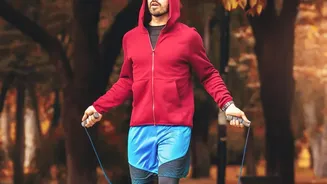
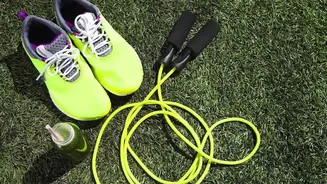
Skipping, or jumping rope, introduces one key piece of equipment that walking doesn't require: a rope. This is non-negotiable. The second essential is, just like walking, a good pair of shoes. However, the footwear needs are slightly different. For skipping, it's crucial to have shoes with good cushioning, particularly in the front of the foot, to absorb the impact of repeated jumping. Cross-training shoes are often recommended. Therefore, to begin skipping, you need two specific items: a jump rope and appropriate athletic footwear.
Beyond the Rope: The Skipping 'Nice-to_Haves'
Once you have your rope and shoes, you can technically start skipping. However, many seasoned skippers recommend using a jump rope mat. This not only protects your joints by providing an extra layer of shock absorption but also significantly extends the life of your rope by preventing it from fraying on abrasive surfaces like concrete. As you advance, you might also explore different types of ropes. Beginners often start with a beaded or basic PVC rope for better feedback, while more experienced users might opt for lighter speed ropes for cardio or weighted ropes to build muscle and add resistance.
The Verdict: Which Is More Minimalist?
When it comes down to the absolute bare minimum, walking takes the crown. You can start a walking habit today with a comfortable pair of shoes you likely already own. Skipping requires the purchase of at least one dedicated piece of equipment: the jump rope itself. While a basic rope is inexpensive, it represents an initial hurdle that walking does not have. To do either exercise safely and effectively for fitness, both require a proper pair of supportive, cushioned shoes. But the need to acquire a rope, no matter how cheap, makes skipping slightly more equipment-dependent from the very beginning. So, if your goal is to start moving with the least possible fuss and gear, walking is the undisputed winner.