







Move Your Body Every Day
You don't need to run a marathon to reap the benefits of exercise. Regular physical activity is one of the most effective habits for brain health. Movement increases blood flow to the brain, which delivers essential oxygen and nutrients. Studies show
it can support memory, reduce inflammation, and even help grow new neural connections. Aim for at least 150 minutes of moderate activity, like brisk walking, swimming, or dancing, each week. Even daily activities like gardening or energetic housework count. The most important factor is consistency, so find an activity you enjoy and can stick with.
Feed Your Brain the Right Fuel
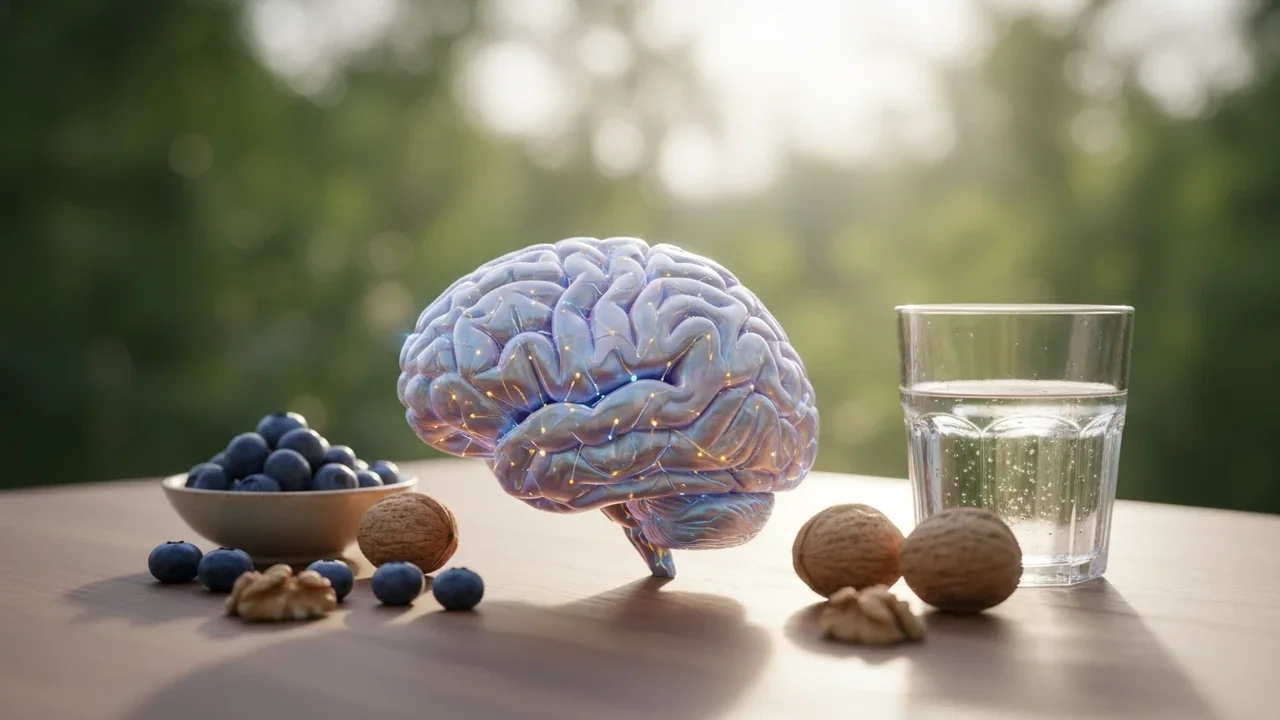
The saying 'you are what you eat' is especially true for your brain. Rather than focusing on a single 'superfood', research suggests that overall dietary patterns have the biggest impact. Diets like the Mediterranean or MIND diet, which are rich in fruits, vegetables, whole grains, nuts, and healthy fats like olive oil, are consistently linked to better cognitive function. These foods help protect blood vessels and reduce inflammation. Fatty fish, such as salmon, are particularly beneficial. On the flip side, try to limit processed foods, added sugars, and saturated fats, which can be detrimental over time.
Prioritize Quality Sleep
Sleep is not just downtime; it's your brain's essential maintenance period. While you rest, your brain works hard to clear out metabolic waste, consolidate memories, and regulate emotions. Chronic sleep deprivation is linked to memory problems and an increased risk of cognitive decline. Most adults need between seven and nine hours of quality sleep per night. To improve your sleep hygiene, try to maintain a consistent sleep schedule, even on weekends. Create a restful environment by making your bedroom dark, cool, and quiet, and limit screen time before bed.
Challenge Your Mind Regularly
Your brain thrives on stimulation. Just like a muscle, it benefits from a good workout. Engaging in mentally challenging activities helps build what researchers call 'cognitive reserve'—a kind of mental resilience that allows your brain to better withstand age-related changes. This doesn't have to feel like a chore. You can challenge your brain by reading, learning a new language or musical instrument, doing puzzles, or playing strategy games. The key is to choose activities that are novel and require focus, pushing your mind in new ways.
Stay Socially Connected
Having fun with friends is also a powerful brain-booster. Social engagement is a complex mental workout, stimulating parts of the brain involved in memory, attention, and processing. Research consistently shows that people with strong social ties tend to have lower rates of cognitive decline. Meaningful interactions can also reduce stress and depression, both of which can negatively impact brain health. Whether it's joining a club, volunteering, or simply making time for friends and family, nurturing your social life is a key investment in your long-term cognitive well-being.
Manage Your Health Numbers
Many people are surprised to learn how closely heart health and brain health are connected. Conditions like high blood pressure, high cholesterol, and diabetes can damage the small blood vessels in the brain over time, increasing the risk for cognitive problems. It's crucial to manage these conditions by following a healthy diet, staying active, and taking any prescribed medications consistently. Regular check-ups with your doctor will help you stay on top of your numbers and protect both your heart and your head.