
The Vision for a 'Blue Economy'
At the heart of this transformation is a vision to create a cost-effective and environmentally friendlier alternative to congested roads and railways. India's logistics costs are estimated to be around 13-14% of its GDP, a figure the government is keen
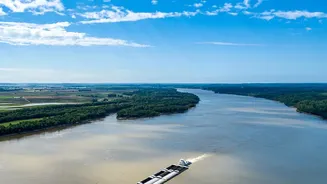
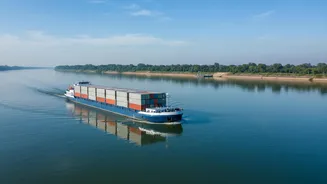
to reduce. Inland water transport presents a compelling solution. It is significantly cheaper for moving bulk commodities like coal, cement, and food grains. Studies show that one litre of fuel can move 105 tonne-kilometres by water, compared to just 24 by road. The overarching goal, part of initiatives like the Sagarmala Programme and the Jal Marg Vikas Project (JMVP), is to increase the share of waterway transport from its current figure of under 5% to 5% by 2030. This shift is projected to handle over 200 million metric tonnes of cargo annually by 2030, a substantial leap from current volumes.
National Waterway 1: The Ganga Artery
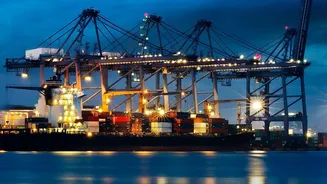
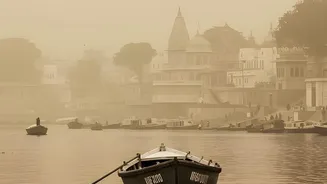
The flagship of this ambitious plan is National Waterway 1 (NW-1). Stretching 1,620 kilometres from Prayagraj in Uttar Pradesh to Haldia in West Bengal, it traverses the Ganga-Bhagirathi-Hooghly river system, connecting major industrial and urban centres. The Jal Marg Vikas Project, backed by the World Bank, is focused on augmenting NW-1's capacity with a sanctioned cost of over ₹5,000 crore. This involves developing multi-modal terminals at Varanasi, Sahibganj, and Haldia to integrate river transport with road and rail networks. The project also includes constructing a new navigational lock at Farakka to ensure smoother vessel movement and maintaining a navigable depth for large vessels. These efforts have already shown results, with cargo movement on NW-1 growing significantly.
Beyond the Ganga: A Pan-India Network
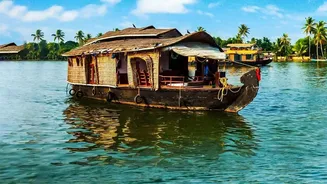
While NW-1 gets much of the attention, the plan is truly national in scope. The National Waterways Act of 2016 designated a total of 111 waterways across the country. As of early 2026, over 30 of these are operational, spanning more than 5,000 kilometres. Key among these are NW-2 on the Brahmaputra River, which is a lifeline for connectivity in the Northeast, and NW-3 on the West Coast Canal in Kerala, crucial for regional trade and tourism. The expansion continues with plans to make a total of 52 waterways operational by 2032. Routes on rivers like the Narmada and Tapi in Gujarat and Maharashtra, and the Mandovi and Zuari in Goa, are also part of this growing network, highlighting a strategy to leverage river systems across different states.
The Economic and Tourism Boom
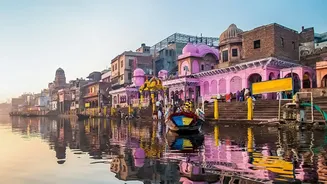
The benefits extend beyond just cargo. The development of waterways is also a major catalyst for tourism. River cruise tourism has seen remarkable growth, with 17 cruise circuits operational across 13 waterways as of July 2026. Passenger traffic on national waterways has surged, indicating a growing appetite for river-based travel. Furthermore, under the 'Arth Ganga' concept, the government is developing community jetties along NW-1 to boost local economies and provide livelihood opportunities. By creating infrastructure for local farmers and traders to access larger markets, the project aims to integrate riverside communities into the national economy, promoting a model of inclusive growth.
Navigating Significant Challenges
Despite the immense potential, the path forward is not without obstacles. A primary challenge is the seasonal variation in water levels in many Indian rivers, which can make year-round navigation difficult. This necessitates continuous and costly dredging to maintain the required channel depth, an activity that raises serious environmental concerns. Experts and activists have pointed to the potential disruption of river ecosystems, particularly for species like the Gangetic dolphin on NW-1. There are also logistical hurdles, such as the need for more private sector participation and overcoming the 'last-mile connectivity' problem to seamlessly link river terminals with production and consumption centres. Ensuring that this large-scale infrastructure development is sustainable and does not come at an irreversible ecological cost remains a critical balancing act.