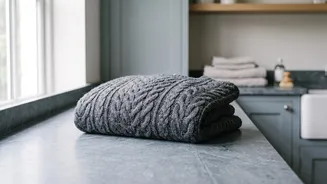







There’s nothing like the comfort of a favourite woollen sweater on a cold day. But what happens when that cosy feeling is replaced by an unwelcome itch? Often, the culprit isn't the wool itself, but the hidden detergent residue left in the fibres.
The Unique Structure of Wool
Unlike
smooth synthetic or cotton fibres, wool fibres are complex proteins covered in microscopic, overlapping scales. This structure is what makes wool an excellent insulator, but it also creates countless tiny crevices where particles can get trapped. Furthermore, wool contains a natural waxy substance called lanolin, which helps protect the fibres but can also interact with cleaning agents. This unique texture means that substances, including laundry detergent, can cling to wool more stubbornly than to other fabrics.
Why Ordinary Detergent Causes Problems
Most standard laundry detergents are alkaline, with a high pH designed to swell cotton fibres and release dirt. However, this alkaline environment is harsh on protein-based fibres like wool. It causes the wool's scales to lift and open, making them more likely to interlock, which leads to felting and shrinkage. More importantly for your skin, these raised scales create more surface area for detergent particles to get stuck. If not rinsed out completely, this alkaline residue can remain on the fibres, ready to irritate your skin when you wear the garment. Many detergents also contain enzymes like protease that are designed to break down protein stains; unfortunately, they also break down the protein that makes up the wool fibre itself, causing damage over time.
The Winter Factor
The issue of detergent residue often becomes more pronounced in winter. Skin is generally drier and more sensitive during colder months due to low humidity and indoor heating, making it more susceptible to irritants. We also wear our woollens in direct contact with our skin more often. A sweater that felt fine in autumn might suddenly seem itchy as your skin's natural barrier is slightly compromised by the winter environment. When this sensitised skin comes into contact with the alkaline residue left on improperly washed wool, it can easily lead to redness, dryness, and persistent itching.
Choosing the Right Cleanser
The single most effective step you can take is to switch to a pHndutral detergent specifically formulated for wool and other delicates. These gentle cleansers are free from the harsh alkaline salts and proteinndestroying enzymes found in regular detergents. Look for products labelled as 'wool wash' or 'for delicates'. Many are plantndbased and fragrancendfree, which further reduces the risk of skin irritation. While some people use mild baby shampoo, a dedicated wool wash is balanced to clean effectively without stripping the fibres or leaving a residue. Avoid fabric softeners, as they can coat the fibres and reduce wool's natural breathability.
Perfecting Your Washing Technique
Even with the right detergent, technique matters. Handndwashing is always the gentlest option. Use cool or lukewarm water, as hot water can cause shrinking. Submerge the garment, gently squeeze the soapy water through it, and let it soak for about 15 minutes. Avoid vigorous rubbing or wringing, which can cause felting. When it comes to rinsing, be thorough. Rinse until the water runs clear and no suds are visible to ensure all detergent is removed. If you use a machine, select the 'wool' or 'hand wash' cycle with cold water and place items in a mesh bag to reduce friction. Consider running an extra rinse cycle for peace of mind.
Drying and Aftercare
Proper drying prevents damage that can make fibres rougher and more prone to trapping irritants in future washes. Never wring out a wool garment. Instead, gently squeeze out excess water, then roll it up in a clean, dry towel to absorb more moisture. Reshape the item and lay it flat to dry on a drying rack or another fresh towel, away from direct sunlight or heat. Hanging wet wool can cause it to stretch and lose its shape permanently. By treating your woollens with this gentle approach from wash to dry, you preserve the integrity of the fibres, ensuring they remain soft, comfortable, and free from irritating residues.