




The Promise of a Dark Sky
A 'dark-sky reserve' is an area recognized for its exceptional starry nights, where measures are taken to prevent light pollution. The goal is to protect the natural nocturnal environment, not just for astronomers but for local wildlife and human well-being.
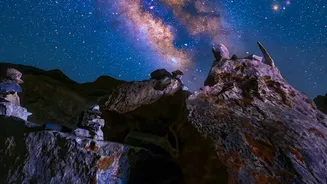
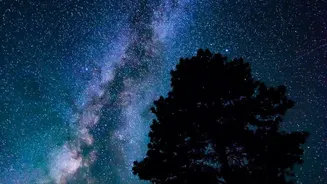
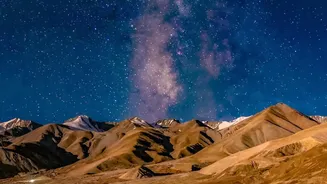
For travelers, it offers a chance to witness the cosmos in breathtaking clarity—something most city dwellers never experience. In these designated zones, the Milky Way isn't a faint smudge but a brilliant river of light stretching across the heavens, and constellations pop with startling clarity.
Spiti Valley's Celestial Advantage
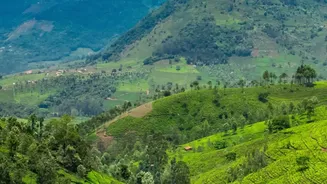
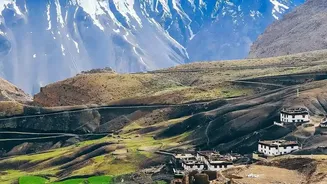
Himachal's Spiti Valley is uniquely suited for this celestial endeavour. Sitting at altitudes between 3,500 and 4,500 metres, the region benefits from thin, dry mountain air and over 250 clear nights a year. Its sparse population and remote location mean there is very little existing light pollution to begin with, creating a near-perfect natural observatory. Villages like Langza, Komic, and Kibber have become focal points for this growing movement, offering some of the darkest and clearest skies in the country.
A Community-Powered Initiative
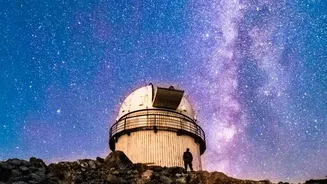
This isn't just about preserving darkness; it's a grassroots effort in sustainable tourism. The Himachal Pradesh government, through its Council for Science, Technology & Environment (HIMCOSTE), has launched initiatives to empower local communities. In July 2025, a community-run stargazing facility was inaugurated in Kaza, the main town of Spiti. The government provided high-end computerised telescopes to local entrepreneurs and homestay owners in villages like Kaza, Langza, and Rangrik. These locals are being trained to operate the equipment and guide tourists through the night sky, turning their ancestral home's natural advantage into a new source of livelihood.
More Than Just Stargazing
The astro-tourism model in Spiti is deeply intertwined with cultural immersion. Visitors don't just come for the stars; they stay in local homestays, eat traditional meals, and connect with the community. This model provides a vital economic boost to remote economies and encourages youth to stay and build careers at home. It’s a holistic experience that blends scientific wonder with the warmth of Himachali hospitality. For the traveler, it’s a quiet escape that offers a digital detox, a connection to nature, and the chance to support a sustainable, community-owned tourism ecosystem.
Planning Your Cosmic Journey
The best time to visit Spiti for stargazing is from May to October when the weather is pleasant and the skies are generally clear. While facilities are growing, it's essential to remember this is a remote, high-altitude desert. Visitors should acclimatize properly and pack warm clothing, as temperatures drop significantly at night, even in summer. Several operators now offer guided astro-tours and astrophotography workshops. Booking a stay at a registered homestay participating in the astro-tourism initiative ensures you are directly supporting the local families who are the guardians of these incredible dark skies.