




Beyond the Classic Comforts
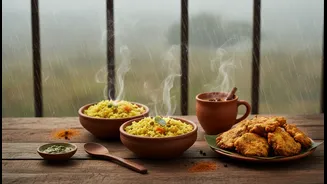
For generations, the Indian monsoon has been synonymous with specific culinary delights. The craving for something hot, spicy, and often fried is a near-universal experience. While classics like bhajis, masala chai, and sweet corn will always have their
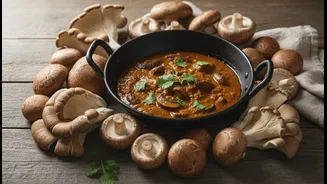
place, the modern Indian kitchen is making room for an ingredient that was once considered a niche or seasonal delicacy. Mushrooms, with their earthy flavour and meaty texture, are now a mainstream choice, transforming everything from simple stir-fries to rich, hearty curries during the rainy season. This shift reflects a broader change in urban palates, driven by a desire for new tastes and healthier options.
The All-Rounder Ingredient
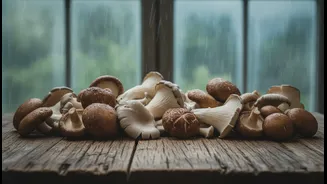
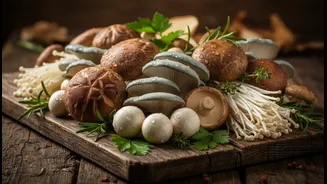
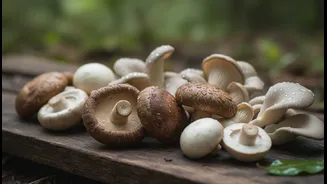
One of the biggest reasons for the mushroom's rising popularity is its incredible versatility. Unlike ingredients with a single dominant flavour profile, mushrooms can adapt. They soak up spices beautifully, making them a perfect fit for Indian cooking. From the mild, familiar taste of button mushrooms in a creamy soup to the rich, umami flavour of shiitake in a stir-fry, there's a mushroom for every mood. In India, common varieties now include not just button and oyster, but also shiitake, milky, and enoki, many of which are commercially cultivated year-round. This availability means they can be turned into anything from Tandoori Mushroom Tikka and Mushroom Chettinad to stuffed appetisers and even crispy pakoras.
A Healthy Indulgence
As more people become health-conscious, the nutritional profile of mushrooms makes them an attractive alternative to heavier fried snacks. They are low in calories and fat, yet packed with protein, fibre, vitamins, and minerals. During the monsoon, when the risk of infections is higher, mushrooms are valued for their immunity-boosting properties, thanks to antioxidants and essential nutrients like Vitamin D and B vitamins. Their high fibre content also aids digestion and promotes a feeling of fullness, helping to manage weight without sacrificing flavour. This makes them a guilt-free way to satisfy those monsoon cravings for something substantial and warming.
From Niche Foraging to Mainstream Farming
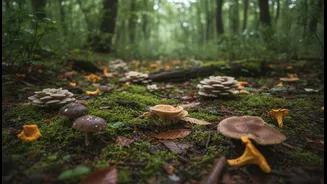
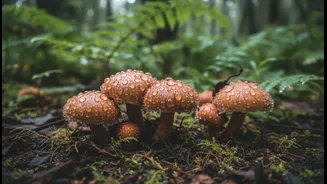
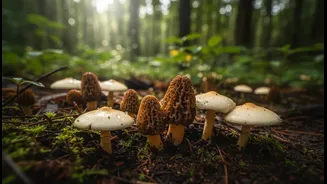
Historically, many types of mushrooms in India were foraged from the wild, especially during the monsoon when they naturally thrive. Delicacies like the 'Olmi' mushrooms in Goa or the 'Gucchi' morels of Kashmir are prized seasonal treats. However, the monsoon is the ideal natural growing season for many varieties, as the high humidity and moderate temperatures encourage growth. This has led to a boom in commercial mushroom farming, making varieties like oyster and milky mushrooms more accessible and affordable for everyone. This increased availability has played a crucial role in moving mushrooms from a rare delicacy to an everyday kitchen staple.
A Word on Wild Mushroom Safety
While the monsoon brings a bounty of wild mushrooms, it's crucial to exercise extreme caution. Foraging for mushrooms without expert knowledge can be dangerous, as many poisonous varieties look strikingly similar to edible ones. Every year, there are reports of poisoning from accidental consumption of toxic wild mushrooms. Furthermore, wild mushrooms can grow in fields sprayed with pesticides, posing another health risk. Health officials strongly advise against consuming wild mushrooms unless you are absolutely certain of their identity and source. For a safe and delicious experience, it is always best to stick to mushrooms sourced from reputable growers and vendors.