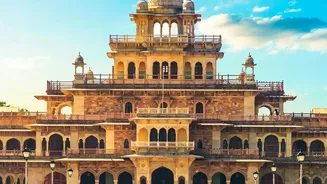



Jaipur's oppressive summer heat gives way to a magical season of mild, sunny days. From November to February, the Pink City's architectural wonders are best explored, with comfortable temperatures making it the ideal time for sightseeing.
The Perfect Season to Explore
While Jaipur
is a year-round destination, the winter season, lasting from November to February, offers a distinct advantage: pleasant weather. With daytime temperatures typically ranging from the low to mid-20s Celsius, the climate is perfect for exploring the city's sprawling forts and walking through its bustling bazaars without the exhaustion of summer heat. This period is considered the peak tourist season, not just for the comfortable climate but also for the vibrant festivals, including the famous Jaipur Literature Festival held in January. The clear winter skies and soft sunlight provide an ideal backdrop for photography, making the city's terracotta-pink buildings and grand monuments look even more stunning.
The Grand Forts: A Trio of Rajput Splendour
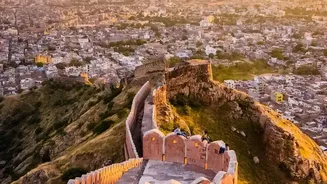
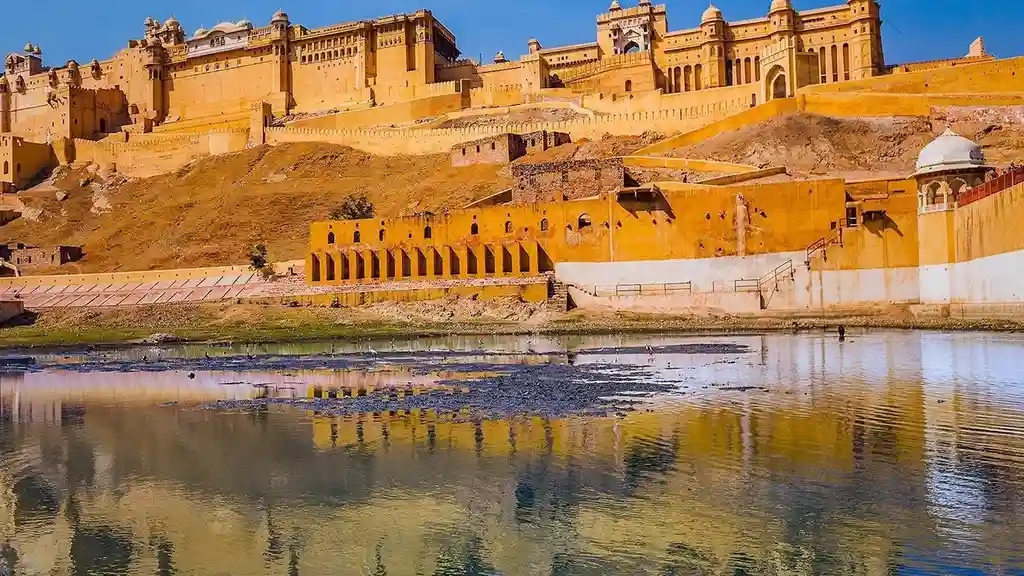
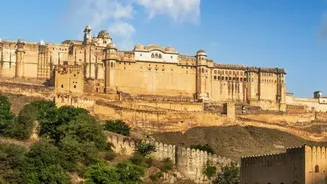
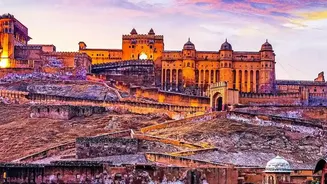
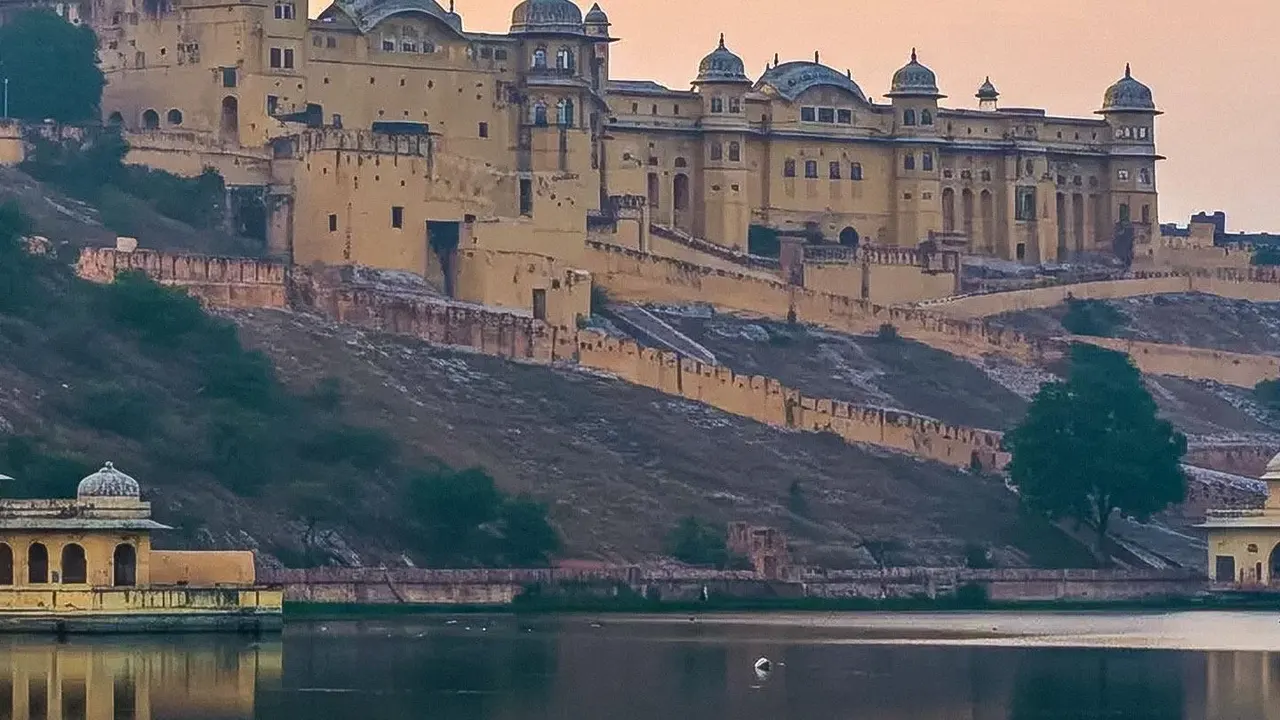
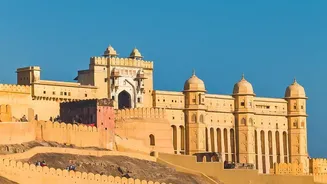
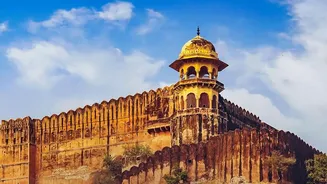
No trip to Jaipur is complete without visiting its trio of majestic forts. Amber Fort, a UNESCO World Heritage site, is a breathtaking blend of Rajput and Mughal architectural styles perched on a hill. Constructed from red sandstone and marble, its highlights include the intricate mirror work of the Sheesh Mahal and the grand Ganesh Pol entrance. Nearby, Jaigarh Fort served as a defensive stronghold and houses the Jaivana, once the world's largest cannon on wheels. For the most spectacular sunset views over the city, a visit to Nahargarh Fort on the Aravalli ridge is essential. The cooler weather makes exploring these vast complexes on foot a far more enjoyable experience.
The Heart of the City: Palaces and Wonders
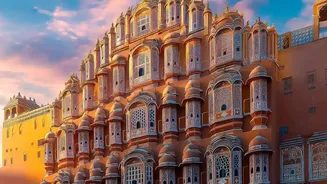
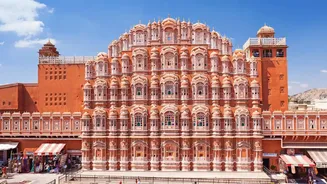
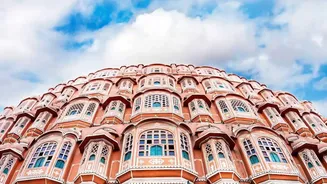
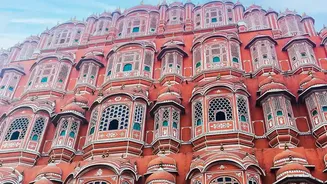
In the city's heart lies the City Palace, a magnificent complex that is still home to Jaipur's royal family. It showcases a fusion of architectural styles and houses a museum with royal artifacts. A short distance away is the iconic Hawa Mahal, or 'Palace of Winds'. Built in 1799, its famous honeycomb facade features 953 intricately carved windows, or 'jharokhas', designed to allow royal women to observe street festivities unseen while enabling a cool breeze to flow through the structure. Many visitors admire its street-facing exterior, which is technically the rear of the building.
An Astronomical Marvel: Jantar Mantar
Adjacent to the City Palace is another UNESCO World Heritage Site, the Jantar Mantar. This remarkable 18th-century astronomical observatory is a collection of nineteen large-scale instruments built from stone and marble. Each instrument serves a specific purpose, from measuring time with incredible accuracy to tracking constellations and predicting eclipses. The star of the collection is the Vrihat Samrat Yantra, the world's largest stone sundial, which can measure time to a precision of two seconds. The observatory is a testament to the scientific and architectural prowess of its founder, Maharaja Sawai Jai Singh II.
Beyond the Monuments: Stepwells and Bazaars
To truly experience Jaipur, venture beyond the main palaces and forts. Near Amber Fort lies Panna Meena Ka Kund, a 16th century stepwell with stunningly symmetrical zigzag staircases. While visitors are usually not permitted to go down the steps, the view from the edge is a photographer's dream. A visit here offers a glimpse into the ingenious water management systems of the past. After a day of sightseeing, immerse yourself in the living culture of the city by exploring its vibrant markets. Johari Bazaar is famous for its jewellery, while Bapu Bazaar offers a wide array of textiles and local handicrafts. The cool evening air is perfect for a leisurely stroll through these bustling hubs of commerce and culture.