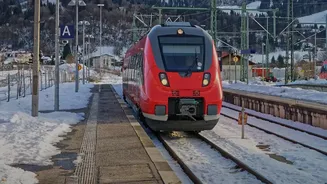







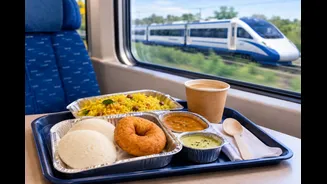
Indian Railways is rethinking its menu. In a significant move, IRCTC has launched a pilot project on three Vande Bharat sleeper routes, trading elaborate meal trays for a simpler, more focused menu designed to improve food quality.
A Shift to 'Less is More'
In response to persistent
passenger complaints about food quality, hygiene, and consistency, the Indian Railway Catering and Tourism Corporation (IRCTC) has initiated a trial with a 'less is more' approach. Starting November 1, 2026, passengers on three key Vande Bharat sleeper routes—Mumbai-Bengaluru, Howrah-Kamakhya (Guwahati), and New Delhi-Varanasi Junction—are being served a trimmed-down, compact menu. The core idea, according to railway officials, is that a smaller menu is easier to monitor, allowing for better quality control and a more consistent passenger experience, drawing inspiration from the airline catering model. This change marks a direct attempt to address long-standing issues, which in the past have included everything from cold food to insects found in meals.
What's On the New Menu?
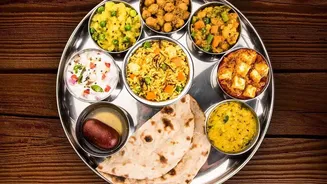
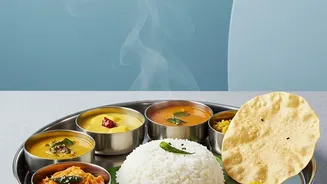
The new menu drastically simplifies the options. For breakfast, passengers can choose from one of three items like idli-vada with sambhar, poha, or upma. This replaces a more extensive platter that previously included items like sandwiches, omelettes, and buttermilk. For lunch and dinner, the meal now consists of four main components: chapati, rice, dal, and a single main dish, with a choice between a vegetarian (paneer or vegetable) or non-vegetarian (chicken) option. Several accompaniments such as a dry vegetable, curd, salad, pickle, and sweets have been removed from the standard tray. This streamlining has also reduced the overall weight of a meal from about 700-750 grams to a more compact 450-500 grams, though IRCTC officials state the portion size of the remaining items is unchanged.
The Rationale: Quality Over Quantity
This pilot project wasn't born in a vacuum. It is a direct response to a significant volume of passenger feedback and complaints regarding the catering services on premium trains. Officials noted that preparing an elaborate menu with limited staff, time, and kitchen space in pantry cars presented major 'operational challenges'. By reducing the number of items from as many as ten down to four, IRCTC aims to enhance its ability to maintain freshness, hygiene, and overall quality. To support this, IRCTC has also shifted its production model for the trial, partnering with major cloud kitchens and established hospitality groups like TajSATS and Sarovar Portico Group, moving away from relying solely on railway-appointed vendors.
Flexibility and Future Prospects
While the trial focuses on a trimmed menu, the broader Vande Bharat network continues to evolve its catering rules. On many routes, catering remains an optional service, allowing passengers to opt-out during ticket booking to reduce their fare. For those who opt out but later decide to purchase a meal, the previous penalty has been removed, and they can buy food at standard rates, subject to availability. The early results of the new compact menu trial appear promising. An IRCTC official from the West Zone noted a 10% drop in food-related complaints since the new arrangements began. The success of this pilot is being closely monitored. Based on passenger feedback, the initiative could be extended to a wider network of long-distance trains, potentially reshaping the future of onboard dining across Indian Railways.