






A Faster, Cleaner Interface
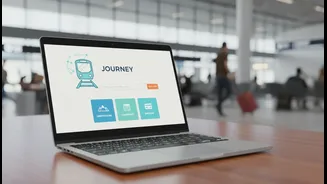
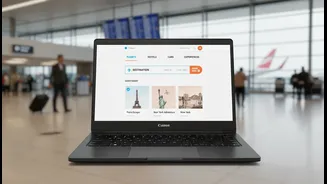
The most immediate change users will notice is a completely redesigned user interface. For years, travellers have navigated a clunky system, often slowed down by repeated CAPTCHA verifications, distracting pop-ups, and flashing advertisements. The modern
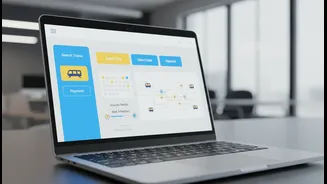
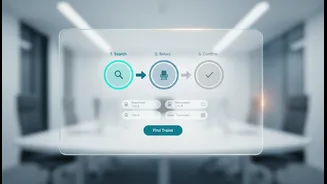
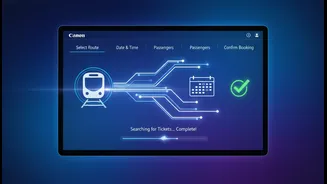
makeover aims to fix this with a cleaner, more intuitive layout that significantly reduces interruptions. Key information is easier to find, and the entire process from searching for a train to confirming a booking is streamlined, with fewer steps required to secure a ticket. This focus on a simplified design is expected to make the booking experience less frustrating and much quicker for everyone, from daily commuters to occasional travellers.
Smarter Search and Seat Selection
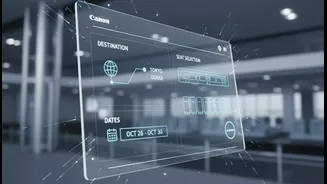
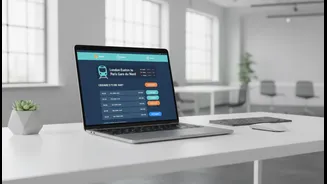
Finding the right train and seat is also getting a major upgrade. Previously, users had to check seat availability for each class (Sleeper, 3AC, 2AC, etc.) one by one. The new system conveniently displays availability for all classes on a single screen, making it much easier to compare options at a glance. In a significant move towards greater user control, the platform will now allow passengers to select their preferred seat or berth during the booking process, similar to booking a movie ticket. Furthermore, a new 'fare calendar' feature will help users compare ticket prices across different dates, a useful tool for flexible travellers looking for more affordable options.
Massive Backend and Capacity Upgrade
Beyond the visual changes, the foundation of the booking system has been rebuilt for speed and reliability. The Passenger Reservation System (PRS) has undergone a massive overhaul, increasing its capacity tenfold. The system will now be able to handle over 40 lakh enquiries per minute, up from the current 4 lakh. More impressively, the platform's booking capacity is set to increase from about 32,000 bookings per minute to over 1.5 lakh. This significant boost in power is designed to reduce delays, server crashes, and failed transactions, especially during high-demand periods like the Tatkal booking window.
Accessibility and Convenience for All
The new IRCTC portal is also designed to be more inclusive. It will support multiple Indian languages, making the platform more accessible to people across the country who are not comfortable with English. This move aims to empower more users to book their own tickets directly instead of relying on third parties. Additionally, the system is integrating services for various concession bookings. Facilities for Divyangjan (persons with disabilities), students, and patients will now be available on the same unified platform, simplifying what was previously a more complex process. For frequent travellers, the ability to save passenger details will make future bookings much faster, eliminating the need to type the same information repeatedly.
AI-Powered Assistance and Mobile Experience
Indian Railways continues to embrace technology with its AI-powered chatbot, AskDisha 2.0. Available on both the website and the IRCTC Rail Connect app, this 'Digital Interaction to Seek Help Anytime' tool helps users with a range of services. Passengers can use voice or text commands in English, Hindi, and Hinglish to book tickets, check PNR status, process cancellations, and get refund updates. This AI integration, combined with the ongoing improvements to the Rail Connect mobile app, signals a clear push towards a more modern and reliable digital ecosystem for India's railway passengers. The app itself has seen upgrades like a unified payment experience and single-view class availability, mirroring the new website's user-friendly approach.