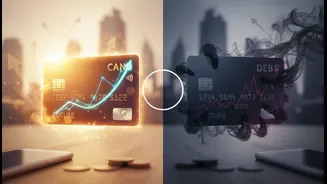










The New Face of Credit
The data paints a clear picture: India's youngest consumers are embracing credit at an unprecedented rate. According to a recent report from TransUnion CIBIL, half of all new-to-credit-card customers in India as of March 2026 were from Gen Z, a significant
jump from 43% just four years prior. This trend signifies that people aged 30 and below are driving the expansion of the credit market. This isn't just a metro phenomenon either; 46% of these new cardholders come from semi-urban and rural areas, showing how deep the digital financial revolution has penetrated. Compared to Millennials who often got their first card in their late 20s, today's young adults are starting their credit journeys as early as 22. This marks a profound generational change in financial behaviour.
Fintech, BNPL, and Easy Access
So, what’s fuelling this change? The primary driver is the fintech explosion. Companies like Slice, OneCard, and Fi have specifically targeted young adults, offering app-based, digital-first credit cards with simple application processes and no annual fees. These services are designed for a generation that manages its life through a smartphone. Another major factor is the rise of 'Buy Now, Pay Later' (BNPL) schemes. These services act as a gateway to formal credit, allowing young consumers to make purchases on EMI without needing a traditional credit history. In fact, many Gen Z users already have experience with small-ticket personal or consumer durable loans before they even apply for their first credit card. In 2024, only 30% of new Gen Z cardholders had no prior credit experience, compared to 56% of Millennials back in 2018.
The Upside: Building a Financial Footprint
Getting a credit card early can offer significant advantages if managed correctly. The most important benefit is the ability to build a credit history. A good credit score is crucial for securing larger loans later in life, such as for a home or a car, and responsible card usage is one of the best ways to build it. Many of today's youth see credit not as a debt trap, but as a financial tool for convenience and opportunity. Furthermore, student-focused cards and those linked to fixed deposits allow young people to learn financial discipline in a controlled environment. The rewards, cashback offers, and convenience of digital payments are also powerful motivators, turning everyday spending into an opportunity to save.
The Risks: A Slippery Slope to Debt
However, this easy access to credit is a double-edged sword. The primary risk is the potential for overspending and accumulating high-interest debt. Credit card interest rates in India are notoriously high, often around 36-42% annually, and unpaid balances can quickly spiral out of control. Studies show that Gen Z users tend to spend more aggressively in their first few months with a card compared to previous generations. Around 28% of new Gen Z users had balances over ₹25,000 within the first three months, compared to just 20% of Millennials. This impulse to spend, sometimes fuelled by social media trends, combined with a low level of financial literacy among a large portion of young Indians, creates a significant risk of falling into a debt trap.