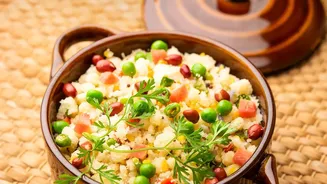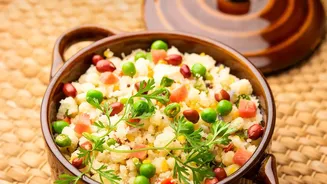



A staple in countless Indian households, upma is more than just a quick breakfast. This humble dish, most commonly made from semolina, transforms across the country, reflecting the diverse culinary landscape of each region.
The Quintessential Rava Upma
The most widely recognized version
is the classic rava upma, made from dry-roasted semolina, or suji. Its preparation is a masterclass in simple flavour balancing. The process begins with tempering mustard seeds, urad dal, chana dal, and curry leaves in hot oil or ghee. Onions, ginger, and green chillies are sautéed before water is boiled and the roasted rava is gently stirred in to prevent lumps, creating a soft, fluffy porridge. Often garnished with cashews and a squeeze of lemon, this version is the comforting, go-to breakfast for many, celebrated for its speedy preparation and satisfying taste.
Karnataka’s Flavourful Khara Bath
Travel to Karnataka, and you’ll find Khara Bath, a spicier, more aromatic cousin of the standard upma. While the base is still semolina, the flavour profile is elevated with a special masala powder, often Vangi Bath or Bisi Bele Bath powder, which contains a blend of spices like cinnamon, cloves, and coriander. It's also typically loaded with vegetables like carrots, beans, and peas. In many Bengaluru eateries, Khara Bath is famously served alongside its sweet counterpart, Kesari Bath, a dish known as 'Chow Chow Bath'.
Tamil Nadu’s Arisi Upma
In Tamil Nadu, a popular variant moves away from semolina entirely, using coarse rice flour (arisi) instead. Arisi Upma has a distinctly different, grainier texture. The rice is often ground with toor dal, black pepper, and cumin seeds, giving it a unique, earthy flavour. Tempered in coconut or gingelly oil with mustard seeds, dals, and red chillies, it offers a rustic and hearty experience. This version is a testament to the region's love for rice in all its forms and is often served with coconut chutney or a tangy vatha kuzhambu.
Andhra’s Hearty Uppindi
In Andhra Pradesh and Telangana, the dish is known as Uppindi or Uppudu Pindi and also primarily uses coarse rice rava (biyyam rava). Often, moong dal is added to the mix, lending a different texture and a protein boost. The preparation is similar, but the end result is often drier and more crumbly than its counterparts. Uppindi is traditionally considered a comforting dinner and is best enjoyed with a dollop of ghee and a side of sharp, spicy Avakaya (mango pickle) and yoghurt. It is a beloved dish, with many families cherishing the crispy layer that forms at the bottom of the pan.
Beyond the Big Four
The versatility of upma doesn't stop there. Across India, the basic method of tempering and cooking a grain in water is adapted for various ingredients. Semiya (vermicelli) upma is a light and nonstiky alternative that is popular with children and adults alike. Healthconscious variations include those made from oats,
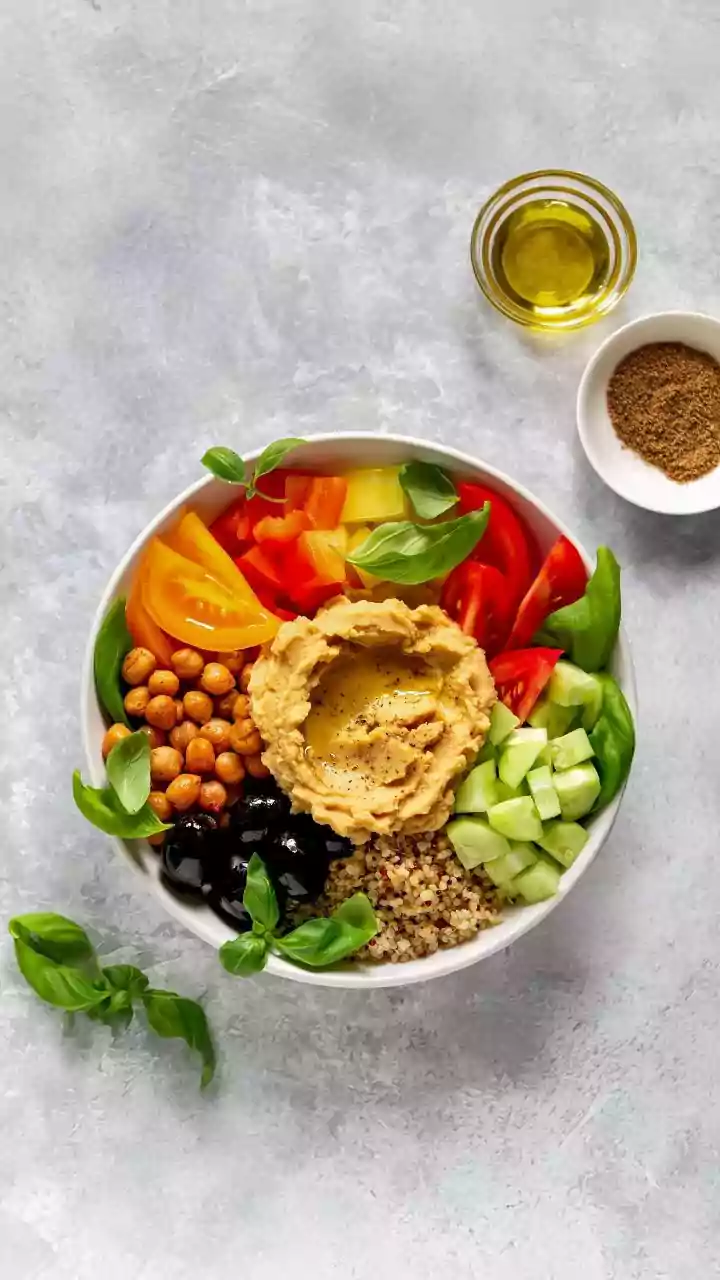
quinoa,
broken wheat (dalia),
and various millets like ragi and barnyard millet. There are even creative ways to use leftovers,
such as Bread Upma,
where bread pieces are crumbled and sautéed with spices,
or Idli Upma,
which gives leftover idlis a delicious new life.