

It All Starts as a Meteoroid
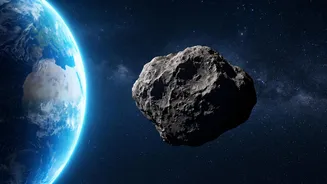
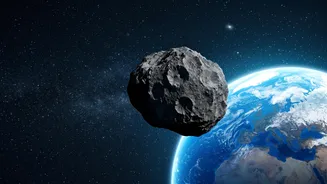
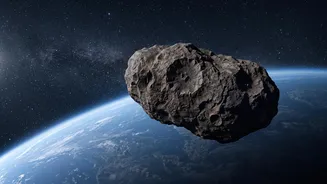
Long before it creates a light show for us, the object is called a meteoroid. These are rocks or pieces of metal floating in space. They can be as small as a grain of dust or as large as a small asteroid. Most meteoroids are fragments broken off from
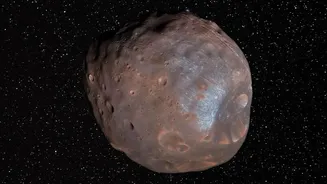
larger bodies. They might be pieces of asteroids, often from the main asteroid belt between Mars and Jupiter, that have been knocked loose by a collision. Others are bits of debris shed by comets as they travel through the solar system. A very small number are even rocks blasted off the surface of the Moon or Mars by ancient impacts. These meteoroids travel around the sun, sometimes for billions of years, before their path intersects with Earth.
The Flash We Call a Meteor
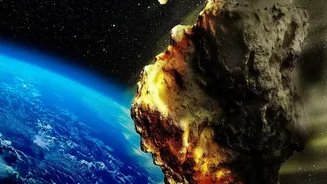
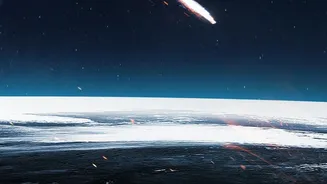
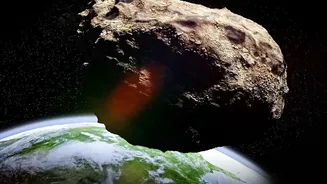
When a meteoroid is captured by Earth's gravity and enters our atmosphere, its journey takes a dramatic turn. Traveling at incredible speeds—anywhere from 25,000 to 160,000 miles per hour—the meteoroid collides with air molecules. This intense friction and pressure heats the object and the air around it to incandescence, creating a bright, glowing streak of light. That streak of light is the meteor. So, a meteor isn't the object itself, but the visible phenomenon of it burning up. This is what we call a 'shooting star'. Most meteoroids are small, often no bigger than a grain of sand, and they completely vaporize in the atmosphere. The ones that come from comets are especially fragile and rarely survive the trip. When Earth passes through a dense trail of debris left by a comet, we see many meteors over a short period, an event we call a meteor shower.
The Survivor: A Meteorite
Less than 5% of the original object typically survives the fiery descent through the atmosphere. If a piece of the meteoroid is large and robust enough to endure the journey and physically land on the Earth's surface, it gets its final name: a meteorite. After the initial fiery entry, the object slows down dramatically and falls silently in what is called 'dark flight'. The piece that is recovered on the ground is the meteorite. Meteorites can range in size from a small pebble to massive boulders weighing many tons, like the Hoba meteorite in Namibia which is the largest known and weighs nearly 60 tons. These visitors from space are incredibly valuable to scientists.
How to Spot a Meteorite
While many look like ordinary rocks, meteorites have a few tell-tale characteristics. Because they have passed through the atmosphere, they often have a dark, glassy or shiny outer layer called a fusion crust. This crust forms as the exterior of the rock melts during its descent. Many meteorites also have shallow, thumbprint-like indentations called regmaglypts, caused by the way the surface melts and ablates. Since most meteorites contain iron and nickel, they are usually much denser and heavier than a typical Earth rock of the same size. This metal content also means most meteorites will stick to a magnet. They are broadly classified into three main types: stony meteorites (the most common), iron meteorites, and stony-iron meteorites.
Windows to the Solar System
Why do scientists get so excited about these space rocks? Meteorites are time capsules from the birth of our solar system, with some being dated to 4.6 billion years old. They represent the original building blocks of planets. By studying their composition, scientists can learn about the history of asteroids, the formation of planets, and the chemical makeup of the early solar system. Some meteorites, known as carbonaceous chondrites, even contain organic compounds and amino acids, the essential ingredients for life. This supports the theory that meteorites may have delivered the building blocks of life to an early Earth.