







The Basics of Trade Policy
At the heart of trade discussions are two key tools: tariffs and trade agreements. Think of a tariff as a tax placed on goods imported from another country. When the U.S. imposes a tariff on a product, the importer pays this tax, which increases the overall
cost of bringing that item into the country. These costs are often passed down the supply chain, from the wholesaler to the retailer, and finally, to the consumer in the form of higher prices. Free trade agreements, like the United States-Mexico-Canada Agreement (USMCA), work in the opposite direction. They are designed to reduce or eliminate tariffs and other barriers, making it cheaper to trade goods between member countries. The goal is to lower costs for both producers and consumers, creating a more integrated and efficient market.
Current US Trade Landscape
As of late 2026, the U.S. trade environment is marked by several key negotiations and policy shifts. The USMCA, which governs trade with Canada and Mexico, entered a mandatory review period this year. The United States has initiated new tariff actions, including a 10 percent tariff on many goods from Mexico, though items qualifying under USMCA rules are exempt. This has made proving a product's origin crucial for importers. Trade relations with China also remain a central focus. A '30-for-30' framework is being discussed, which aims to provide tariff relief for about $30 billion worth of goods on each side. However, the overall tariff situation remains complex, with some analyses in 2026 estimating that current tariffs add an average of over $800 to a U.S. household's annual costs. These ongoing discussions create uncertainty for businesses that rely on global supply chains for their products.
From Port to Your Shopping Cart
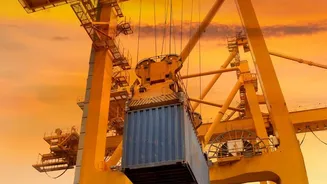
The journey of an imported product from a factory overseas to a U.S. retail shelf involves multiple steps, each a point where costs can be added. A tariff is applied when the goods first arrive at a U.S. port. The importer of record pays this fee. From there, distributors and wholesalers add their own markups to cover their costs, including transportation and storage, before selling to retailers. Retailers, in turn, set a final price for the consumer. When tariffs increase the initial 'landed cost', that increase ripples through every subsequent stage. While some businesses might absorb a portion of the tariff to remain competitive, a significant percentage is typically passed on to the consumer. Research indicates that for every one percent increase in average tariffs, consumer prices for those goods tend to rise by about a quarter of a percent within a year.
Which Daily Essentials Are Most Affected?
While tariffs can apply broadly, certain categories of daily essentials are particularly vulnerable to price hikes. These are often items where the U.S. relies heavily on imports. Think of consumer electronics, where many components and finished products are assembled abroad. Apparel and footwear are also heavily impacted, as are many household goods and furniture. Even your grocery bill can be affected. The ongoing USMCA review, for example, has raised concerns about the cost of agricultural products traded between the U.S. and Mexico. A failure to maintain tariff-free trade for produce could lead to higher prices at the supermarket. Similarly, the auto industry is deeply integrated across North America, and new tariffs on parts or finished vehicles could increase sticker prices.
The Broader Ripple Effect
The impact of trade policy isn't limited to the price tag of a single item. Widespread tariffs can contribute to overall inflation, making a wider range of goods and services more expensive. They can also have indirect effects. For example, when tariffs raise the price of imported materials, U.S.-based manufacturers who use those materials in their own products may have to increase their prices as well. This means that even 'domestically made' products can become more expensive. Furthermore, trade disputes can lead to retaliatory tariffs, where other countries place taxes on U.S. exports. This can harm American industries, potentially leading to reduced economic output and job losses in sectors that rely on selling their goods overseas.