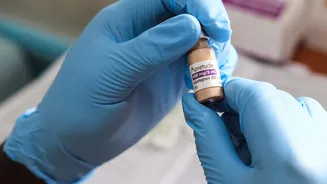








A major new study has sent a ripple of concern through the medical community, suggesting that for people with type 2 diabetes, stopping a popular class of medication can nearly double their risk of a heart attack, stroke, or even death.
An Alarming New Finding
Researchers in
Italy tracked over 80,000 people with type 2 diabetes and found that those who stopped taking a class of drugs known as GLP-1 receptor agonists (GLP-1 RAs) faced a sharply elevated risk of serious health events. The study, published in The Lancet Regional Health Europe, found that discontinuing the medication was associated with approximately twice the risk of a combined outcome of non-fatal heart attack, non-fatal stroke, or death from any cause compared to those who continued the treatment. Specifically, the rate of these events was about four per 100 people per year among those who stopped, versus two per 100 people for those who continued. The risk of death from any cause was even more pronounced, rising by nearly five-fold for those who discontinued the therapy. This highlights that the protective benefits of these drugs are not permanent and may disappear quickly once the medication is no longer taken.
Understanding the Medication in Question
The drugs at the center of this study are GLP-1 receptor agonists, a class of medications that have become a cornerstone in managing type 2 diabetes. These drugs work by mimicking a natural hormone that helps regulate blood sugar, curb appetite, and often leads to weight loss. In recent years, they have also been celebrated for providing significant cardiovascular and kidney health benefits. While the study focused on GLP-1 drugs, similar concerns have been raised about another class of diabetes drugs called SGLT2 inhibitors. Research on SGLT2 inhibitors has also shown that their benefits, including reduced risk of heart failure hospitalisation, can be lost upon withdrawal. This suggests a broader pattern: the cardiovascular protection offered by modern diabetes medications is dependent on their continued use.
Why Do Patients Stop Taking These Drugs?
Despite their proven effectiveness, a large number of patients stop taking these medications, often within the first year. Studies report discontinuation rates as high as 60%. The reasons are varied and complex. Common factors include gastrointestinal side effects like nausea, the high cost of treatment, a perceived lack of effectiveness, or concerns about potential long-term side effects. In some cases, a doctor may recommend stopping the drug before a surgery to reduce the risk of complications. However, the new findings underscore the potential dangers of discontinuing treatment without a carefully considered medical plan. The study was observational, meaning it identifies a strong association but cannot prove direct causation. It is possible that patients who stopped were already in poorer health, a factor that could contribute to the increased risk.
What This Means for Patients in India
These findings are particularly relevant for India, which faces a massive and growing burden of type 2 diabetes and related cardiovascular diseases. For the millions of Indians relying on these medications, this study serves as a critical warning. The protective shield these drugs provide against heart attack and stroke is not a one-time fix; it is an ongoing benefit that requires consistent treatment. The research implies that the decision to start, stop, or switch these vital medications should never be taken lightly. It requires a serious conversation between the patient and their doctor, weighing the benefits against any side effects or costs. Patients should feel empowered to discuss any issues they are having with their medication, as doctors may be able to manage side effects or explore alternative solutions rather than stopping a life-protecting therapy altogether.
Expert Advice: Do Not Stop on Your Own
The overwhelming message from medical experts is clear: do not stop taking your diabetes medication without first consulting your doctor. Abruptly halting treatment can cause blood sugar levels to rise and eliminates the crucial cardiovascular protection the drugs provide. If you are experiencing uncomfortable side effects, struggling with the cost, or feel your health has improved, the first step is to schedule an appointment with your physician. They can assess your situation, adjust your dosage, manage side effects, or prescribe a different medication if necessary. Remember, these drugs are often prescribed not just for blood sugar control but for their life-saving heart and kidney benefits. Treating them like a temporary course of antibiotics could have serious, long term consequences for your health.